
Struggling to keep skilled workers? Here’s the problem:
- 70% of construction companies can’t find enough workers, with a shortage of over 650,000 to meet demand.
- Many workers leave due to low pay, limited career growth, and poor workplace environments.
- Generational shifts and a lack of interest in trades are shrinking the talent pool, with less than 3% of young people considering construction careers.
- The costs of turnover are steep – replacing an employee can cost 50% to 200% of their annual salary.
The solution? Focus on three areas:
- Pay and Benefits: Competitive wages, health insurance, retirement plans, and flexible scheduling.
- Career Development: Training programs, mentorship, and clear paths for advancement.
- Workplace Culture: Recognize employees, improve communication, and create supportive environments.
Bonus Tip: Use workforce management tools like ABLEMKR to streamline hiring, scheduling, and communication, helping retain workers and reduce costs.
Bottom Line: Retaining skilled workers requires investing in their pay, growth, and overall experience. Companies that prioritize these areas see higher retention, less turnover, and more productivity.
Construction Worker Retention Strategies
Common Retention Problems in Skilled Labor
The challenges faced by skilled labor industries, such as construction and energy, often boil down to a few recurring issues. To improve retention, it’s crucial to understand why skilled workers leave in the first place. Many experienced employees feel driven to quit because of low pay, limited career growth, and toxic workplace environments. These problems often overlap, making it harder for companies to retain their workforce. Let’s take a closer look at these challenges.
Poor Pay and Benefits
Low wages are one of the biggest reasons skilled workers leave their jobs. When employees struggle to make ends meet, they naturally look for better-paying opportunities. According to McKinsey & Company, many construction workers leave for jobs that offer higher salaries and better working conditions.
For example, Direct Support Professionals in the U.S. earn an average of just $12.80 per hour, with top earners making only $15.31 per hour. Unsurprisingly, this low pay contributes to an annual turnover rate of 42.8%, with some states reporting rates as high as 64.8%. Compensation dissatisfaction is widespread – only 30.4% of workers with less than a year of experience feel they’re fairly paid, and this drops to 15.2% for those with one to seven years of experience.
The lack of adequate health insurance and benefits further deepens the problem. Many workers face tough decisions between staying in their current roles or moving to jobs that provide the healthcare their families need. Even workers who enjoy their jobs may feel compelled to leave if basic benefits are lacking. This not only disrupts the workforce but also impacts companies by increasing costs and causing disruptions in client relationships.
Lack of Career Advancement
Jobs without clear growth opportunities can quickly demotivate skilled workers. Many employees want to see a defined path for their careers, but organizations often fail to provide structured development programs or advancement opportunities. While industries like construction and energy have historically relied on informal apprenticeships, today’s workforce expects transparent career progression, merit-based promotions, and clear criteria for advancement.
Workplace Culture and Communication Problems
Workplace culture plays a critical role in retention, and a toxic environment can drive even the most dedicated workers away. Poor culture is a significant factor in voluntary turnover, with 53% of employers reporting increased turnover in recent years and 23% of workers planning to quit their jobs in 2022. Often, the issue isn’t just about pay – it’s a lack of feeling valued within the organization.
When management fails to provide clear direction, regular feedback, or recognition, employees disengage. Workplace politics, micromanagement, and overwhelming stress further push workers toward the exit.
The COVID-19 pandemic also amplified cultural challenges. A 2021 survey revealed that nearly two-thirds of employees began reevaluating their life’s purpose during the pandemic. In workplaces where communication is poor and transparency is lacking, trust erodes, leaving employees disillusioned with their employers.
Recognition gaps also have a significant impact. Skilled workers often perform physically demanding and complex tasks, yet their efforts frequently go unnoticed. Over time, this lack of appreciation can lead even the most committed employees to feel undervalued and consider leaving.
The consequences for businesses are serious. High turnover disrupts team dynamics, lowers morale, and impacts productivity. Financial costs also rise as companies struggle to replace workers and maintain operations. In fact, 67% of CEOs say hiring challenges are limiting their ability to run at full capacity. Addressing these cultural and communication issues is essential to building effective retention strategies.
Practical Solutions to Keep Skilled Workers
Employers who want to retain skilled workers need to focus on three key areas: compensation, development, and workplace culture. Industries like construction and energy are already seeing positive results by proactively addressing these concerns. These strategies not only meet immediate needs but also lay the groundwork for long-term workforce stability.
Improving Pay and Benefits
One of the most direct ways to reduce turnover is by offering competitive pay that reflects the value of skilled labor. In 2024, 91% of construction firms in the U.S. increased base pay for hourly workers, and salaries for construction professionals are projected to rise by an average of 5.2% in 2025. By April 2025, construction workers were earning $39.33 per hour – a 24% increase over the private sector average – with union workers seeing slightly higher raises than their non-union counterparts.
But wages are only part of the equation. Workers also expect benefits that matter to them, such as comprehensive health insurance, retirement plans with company contributions, and flexible paid time off. Many companies are reevaluating their benefits packages to better align with employee priorities.
Flexibility has become a sought-after perk, with some companies offering options like self-scheduling, tech breaks, and wellness programs. Performance-based bonuses are another effective tool, ranging from retention and safety bonuses to team rewards for collaborative success.
"Companies that invest in training and automation are better positioned for success." – Clare Wydeven, Regional Vice President, Construction, The Hartford
However, compensation alone isn’t enough. Companies also need to invest in employee development to keep workers engaged and committed.
Providing Training and Development
Training and development programs play a critical role in reducing turnover. A staggering 94% of employees say they’d stay longer at a company if it invested in their professional growth. Additionally, businesses that prioritize career development see 34% lower turnover rates.
Career growth opportunities not only improve retention but also double employee engagement. Companies that offer well-structured training programs see tangible benefits. For example:
- Technical certifications help workers gain specialized skills that benefit both the individual and the company.
- Leadership workshops prepare high-potential employees for supervisory roles.
- Mentorship programs connect seasoned workers with newer employees, fostering knowledge sharing and mutual respect.
Schneider Electric offers a standout example of innovation in this area. In 2018, the company launched an open talent market where managers post opportunities for short-term projects, full-time roles, or mentorships. Employees can explore these options to test new roles or prepare for future positions. This approach not only builds skills but also helps workers find roles that align with their interests.
The key to success lies in making these opportunities accessible. Companies should clearly communicate available programs, provide pathways for internal mobility, and offer constructive feedback to help employees advance their careers.
A strong focus on training naturally ties into fostering a positive workplace culture.
Creating a Better Workplace Culture
A healthy workplace culture is a powerful retention tool. Employees in positive environments are nearly four times more likely to stay, and 83% report higher motivation levels. Conversely, poor workplace cultures drive workers away – 57% of employees in such environments are actively job hunting, often citing issues like low pay, lack of empathetic leadership, and poor attention to employee well-being.
Recognition programs aligned with company values can make a big difference. Employees who feel recognized and understand their role within the organization are 4.9 times more likely to feel confident about their work expectations.
Improving communication also plays a vital role in shaping culture. Companies should set clear cultural goals, encourage open dialogue, and maintain transparency about successes and challenges. Balancing formal and informal communication, leveraging technology for efficient information sharing, and tailoring messages to specific roles can enhance trust and collaboration.
The business case for investing in culture is clear. A strong workplace culture can boost productivity by 12% and reduce turnover by over 30%. In fact, 56% of employees now prioritize company culture over salary.
"Workplace culture isn’t just a buzzword; it’s a critical business asset. Organizations that invest in building cultures that are open, empathetic, civil, honest, fair, and focused on meaningful work gain tangible benefits, including increased employee loyalty." – Ragan Decker, Ph.D., SHRM
Air New Zealand provides a compelling example of cultural transformation. The airline partnered with a community organization to create a leadership program emphasizing cultural confidence and self-identity discussions. According to Chief People Officer Nikki Dines:
"Programs like this are growing empathy and understanding, and are helping to shift our culture"
The most effective companies integrate competitive pay, growth opportunities, and a strong workplace culture into a holistic strategy that supports the entire employee experience.
sbb-itb-aa28329
Using Technology to Improve Retention
Competitive pay and a strong workplace culture are essential for retaining employees, but technology is now playing a key role in turning these factors into measurable results. Digital platforms and workforce management tools are reshaping how employers connect with skilled workers, keeping them engaged and satisfied throughout their careers. This integration of technology is paving the way for smarter staffing solutions.
In 2024, over 40% of companies reported challenges in filling blue-collar roles. However, businesses using digital staffing solutions saw a 30% boost in hiring efficiency and cut administrative costs by 40%. This isn’t just about speeding up hiring – it’s about creating systems that promote long-term satisfaction and retention for workers.
How Staffing Platforms like ABLEMKR Help
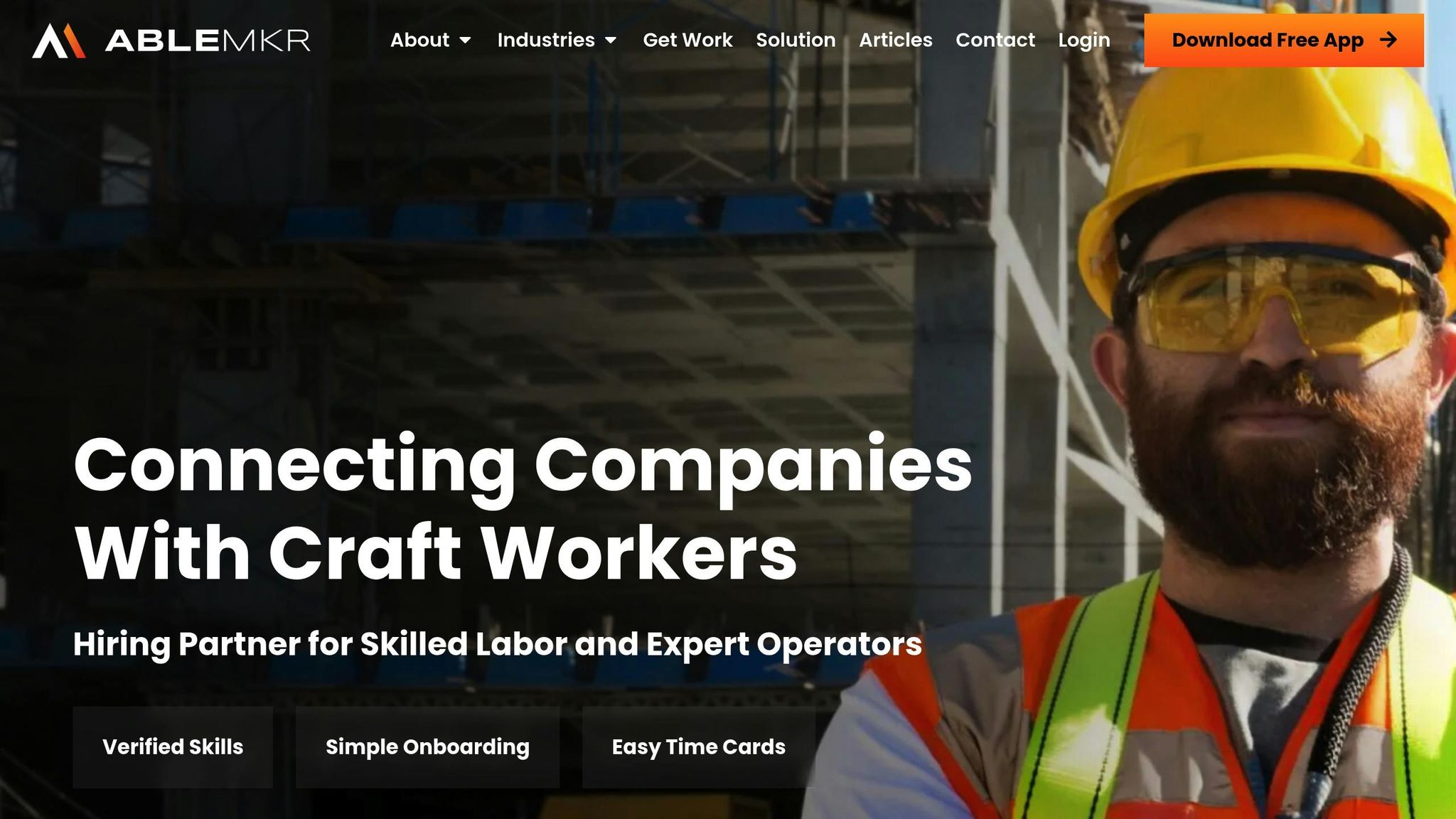
Modern staffing platforms are tackling retention challenges by bringing transparency and control to the hiring process. Take ABLEMKR, for example – it connects skilled workers in industries like construction and energy through verified profiles and real-time workforce management tools. Its mobile app gives workers instant access to job opportunities while providing employers with pre-qualified candidates.
Here’s how ABLEMKR supports retention:
- Verified Worker Profiles: By showcasing skills, certifications, and experience, workers help employers make informed hiring decisions, reducing mismatches and early turnover.
- Transparent Processes: Clear invoicing and cost structures build trust, encouraging long-term commitment from both parties.
- Added Security: W2 employment and workers’ compensation coverage offer essential benefits without the administrative hassle of traditional staffing models.
Benefits of Workforce Management Technology
The advantages of workforce management technology go beyond better job matching. These tools improve daily operations and address worker needs. For instance, 82% of manufacturing leaders plan to invest in scheduling technology over the next three years, emphasizing the importance of flexibility for retention. Meanwhile, 57% of hourly workers prioritize the ability to pick up and swap shifts, and 48% want an easy way to provide input on schedules. Platforms with self-service portals and mobile apps meet these demands.
Streamlined payroll and scheduling tools also eliminate administrative headaches, which can frustrate employees. Companies offering Earned Wage Access (EWA) – allowing workers to access their earnings early – fill job listings 27% faster, as this reduces financial stress and builds loyalty.
Improved communication is another key benefit. Real-time updates and direct communication channels help bridge gaps between workers and management, fostering a stronger connection. These enhancements directly address the retention challenges companies face.
A real-world example comes from LCMC Health, which saved $500,000 in nine months at West Jefferson Medical Center by adopting workforce management tools. Chief Nursing Officer Monica Bologna shared:
"On-demand labor has enabled us to build a flexible local workforce, cut costs, and improve nurse engagement. We’ve reduced reliance on travel nurses and transitioned on-demand nurses into full-time roles without paying buyout fees, improving patient care while minimizing costs."
Additionally, businesses using workforce management solutions report a 15% increase in employee productivity on average, thanks to streamlined processes, better resource allocation, and reduced administrative burdens. These tools also align with the expectations of younger workers, who value digital accessibility and modern solutions, positioning companies as forward-thinking employers.
"By leveraging technology to offer flexibility, streamline communication, and ensure fair pay, organisations can foster a positive workplace culture that empowers employees and reduces attrition. Ultimately, those who invest in robust workforce management strategies will position themselves as employers of choice, capable of thriving in an increasingly competitive landscape." – Gordon Gilkison, Head of EMEA, WorkForce Software
When paired with competitive pay and a supportive workplace culture, digital tools transform retention challenges into a powerful edge in today’s job market.
Conclusion: Building a Stable Skilled Workforce
Creating a stable and skilled workforce isn’t just about hiring the right people – it’s about ensuring they want to stay. The numbers speak volumes: replacing an employee can cost anywhere from 50% to 200% of their annual salary, while companies with highly engaged employees enjoy 23% higher profitability and 18% lower turnover.
The key to retention lies in four core areas: competitive pay, professional development, positive workplace culture, and modern technology. Take Sam’s Club, for example. By rolling out an employee development program across 600 locations, they achieved full employment by 2021. An impressive 75% of their managers began as hourly associates. This success wasn’t random – it came from combining fair wages with clear career advancement opportunities, proving that investing in employees pays off in more ways than one.
"If [employees] are confident in what they’re doing and they can see a clear path for their career, they’re more likely to stay with the company." – Jennifer Buchanan, Senior Director of Field Learning and Development, Sam’s Club
Cigna Corporation offers another compelling example. Their tuition assistance program from 2012 to 2014 delivered a 129% return on investment by cutting talent management costs. And it’s not just corporations saying this – 94% of employees report they’d stay longer at a company that invests in their career growth.
Technology also plays a pivotal role. Platforms like ABLEMKR connect skilled workers with employers, making it easier to match talent with opportunity. When paired with strong workplace practices, technology can amplify these efforts, driving measurable results.
The financial case for these strategies is hard to ignore. For instance, every dollar spent on mental health support generates a 400% return through increased productivity and reduced absenteeism. Companies with robust learning cultures are 92% more likely to innovate and 37% more productive, while those offering development opportunities see 34% higher retention rates.
"I would make the argument that it costs more to hire and train someone who leaves than it costs to develop them and have them stay and be productive." – Mike Warren, Adjunct Business Professor, University of Massachusetts Global
The skilled labor shortage isn’t going away anytime soon. But employers who prioritize fair pay, career growth, supportive environments, and smart technology will position themselves to build a stable, thriving workforce in today’s competitive market.
FAQs
How can companies create a better workplace culture to retain skilled workers and reduce turnover?
To create a thriving workplace culture and keep talented employees on board, businesses should prioritize open communication, acknowledging accomplishments, and clear career advancement opportunities. Encouraging employees to share feedback and involving them in decision-making processes can strengthen both engagement and loyalty.
On top of that, offering leadership training and professional development programs shows employees they’re appreciated and supported in their growth. These initiatives not only enhance job satisfaction but also help build a workforce that’s motivated and dedicated.
How can businesses leverage technology to improve retention in skilled labor industries?
Businesses can use AI-powered tools to identify where employees might need additional skills and provide personalized training programs. These programs not only help employees develop professionally but also make them feel valued in their roles. At the same time, automation tools can handle repetitive, time-consuming tasks, freeing up employees to focus on work they find more engaging and fulfilling.
On top of that, platforms designed to simplify workforce management can enhance transparency in job assignments, which helps build trust and boosts employee satisfaction. Mobile apps that connect skilled workers with opportunities in real time are another game changer, making it easier for businesses to efficiently align the right talent with the right projects.
How does career development impact skilled worker retention, and what steps can companies take to support advancement?
Career Development: A Key to Employee Retention
Career development plays a crucial role in keeping skilled employees on board. It sends a clear message: the company values their growth and sees their long-term potential. When employees notice tangible opportunities for advancement, they tend to stay more engaged and committed to their roles.
Here are a few ways businesses can support career advancement:
- Define clear career paths: Outline job roles and map out potential growth opportunities within the company. This gives employees a vision for their future.
- Provide training and upskilling opportunities: Offer access to workshops, certifications, and hands-on learning to help employees expand their skill sets.
- Establish mentorship programs: Connect employees with seasoned mentors who can offer guidance, share experiences, and support their professional development.
By prioritizing these strategies, companies can strengthen employee loyalty, lower turnover rates, and cultivate a more motivated and dedicated workforce.


