
Predictive analytics is transforming how industries address labor shortages by using data to anticipate workforce needs before they become critical. Here’s how it works and why it matters:
- Industries Facing Labor Shortages: Sectors like construction, healthcare, and energy are struggling with aging workforces, skill gaps, and geographic mismatches. For example, U.S. nursing homes report 77% struggle to find staff, while construction faces a projected 1.5 million worker shortfall by 2026.
- The Cost of Labor Gaps: Delays increase project costs, with one company reporting a 25% rise in delays costing $5 million in 2023. Safety risks also climb, with understaffed construction sites seeing 30% more accidents.
- How Predictive Analytics Helps:
- Forecasting Workforce Needs: Analyzes historical data and trends to predict staffing requirements, reducing delays and optimizing schedules.
- Efficient Resource Allocation: Matches workers to jobs based on skills, certifications, and location, cutting labor costs by up to 15%.
- Early Risk Detection: Identifies potential issues like turnover or skill shortages before they escalate.
Companies like ABLEMKR are already using predictive platforms to assemble skilled crews faster, reduce costs, and improve project timelines. By 2026, 70% of organizations are expected to adopt predictive analytics for workforce planning, making it a critical tool for staying competitive.
How Can HR Predictive Analytics Forecast Future Workforce Needs? – Office Wellness Insights
What Is Predictive Analytics in Workforce Management
Predictive analytics is changing the way companies manage their workforce by using data to forecast staffing needs. Instead of reacting to labor shortages as they arise, businesses can now anticipate these needs weeks or even months in advance. This process relies on historical data, statistical algorithms, and machine learning to predict workforce challenges like labor shortages or spikes in employee turnover.
The key difference between predictive analytics and traditional workforce management lies in the approach. Traditional methods are reactive, addressing staffing issues only after they occur – such as hiring to fill a vacancy or when a project is already underway. Predictive analytics, on the other hand, enables organizations to foresee staffing needs and skill gaps before they become critical, turning workforce planning into a strategic and data-driven process.
Think of it like a weather forecast: just as meteorologists predict storms, predictive analytics helps organizations prepare for staffing challenges before they disrupt operations. This proactive approach is transforming how industries, especially those with high labor demands, tackle workforce shortages.
How Predictive Analytics Works
Predictive analytics in workforce management involves collecting and analyzing various data sources to make accurate forecasts. Companies use historical workforce data (such as turnover rates and seasonal trends), performance metrics (like productivity and engagement), project timelines, certifications, and worker availability.
Once this data is gathered, advanced algorithms and machine learning models uncover patterns that might otherwise go unnoticed. These insights help managers anticipate staffing needs and potential risks, allowing them to act before problems arise.
For example, platforms like ABLEMKR use predictive insights to match pre-vetted workers to job sites based on certifications, safety training, and geolocation. This ensures that both current and future workforce demands are met, addressing labor shortages more effectively.
Main Benefits of Predictive Analytics
Using predictive analytics in workforce management delivers both immediate and long-term benefits. One of the biggest advantages is improved efficiency. By aligning staffing levels with actual operational needs, companies can avoid overstaffing and reduce labor costs.
It also minimizes downtime. With adequate coverage during high-demand periods, organizations can keep projects on schedule and avoid costly delays. For instance, a large hospital network used predictive analytics to understand why nurses were leaving their roles. Factors like long overtime hours and limited career growth opportunities were identified. By restructuring schedules and introducing targeted retention strategies, the hospital cut nurse turnover by 18% in just one year, saving millions in recruitment and overtime expenses.
Predictive analytics can reduce labor costs by up to 15% and cut delays by 20%. It also optimizes resource allocation, ensuring workers’ skills and availability are matched to project needs.
Another major benefit is early risk detection. By identifying potential turnover or emerging skill gaps early, companies can address these issues before they escalate into larger problems, saving time and money in the long run.
These advantages go beyond just cost savings. Businesses that use predictive analytics are better positioned to take on challenging projects, meet tight deadlines, and maintain high safety standards – all while keeping their workforce engaged and productive. This creates a competitive edge that helps them thrive in demanding markets.
How Predictive Analytics Fixes Labor Shortages
Labor shortages don’t have to leave companies scrambling. Predictive analytics turns workforce management into a strategic advantage by analyzing data patterns to anticipate staffing needs, optimize resource deployment, and identify risks before they spiral into costly issues. Let’s break down how forecasting, resource allocation, and risk detection work together to tackle labor gaps.
Workforce Demand Forecasting
Predictive analytics enables companies to plan ahead by accurately forecasting workforce demand. Instead of reacting to staffing needs after they arise, businesses can predict when and where specific skills will be required. This is achieved by analyzing historical data, project schedules, and market trends. For example, construction companies can use past hiring patterns to anticipate seasonal demand spikes, identify project phases that need more workers, and account for regional labor trends. Companies leveraging AI-driven workforce planning have reported cutting planning cycles by 30%.
In practice, AI-powered platforms in industries like construction analyze data from past projects to forecast staffing needs for future ones. This allows businesses to plan resources effectively and avoid labor shortages. These tools can even recommend scheduling adjustments to ensure critical tasks stay on track, even with fewer workers available.
Effective forecasting integrates multiple data sources, including project management tools, labor market insights, employee performance records, and broader economic indicators. This combination reveals patterns that would otherwise go unnoticed, giving businesses a clearer picture of their workforce needs.
Better Resource Allocation
Once labor needs are forecasted, the next challenge is allocating resources efficiently. Predictive analytics makes it easier to deploy the right workers to the right locations at the right times. For instance, ABLEMKR’s mobile-first system matches pre-vetted workers to job sites based on factors like certifications, safety training, availability, and location. This ensures crews are assembled quickly for urgent tasks like pipeline repairs or mine development.
The efficiency gains are significant. Businesses using workforce analytics save an average of 15% on labor costs every year. In logistics, predictive planning has reduced order fulfillment delays by 20%. These benefits extend to industries like retail and hospitality, where AI-driven scheduling tools help balance staffing levels, avoiding the costs of overstaffing or understaffing. Real-time insights into worker status and project progress also allow managers to adjust schedules dynamically as needs evolve.
Early Risk Detection
One of the standout strengths of predictive analytics is its ability to spot potential risks before they escalate. By monitoring workforce data, companies can identify warning signs of labor shortages, compliance issues, or safety risks early on.
For instance, predictive models can flag trends like rising absenteeism, excessive overtime, or gaps in certifications and training. AI-powered scheduling tools further support this by automating shift assignments, balancing workloads, and reducing employee burnout. These capabilities are especially critical in industries like construction, energy, and mining, where safety and regulatory compliance are top priorities. Predictive analytics can alert managers when certifications are about to expire, when safety training needs updating, or when project timelines risk outpacing available labor. Together, these tools make predictive analytics a key component of modern workforce management.
sbb-itb-aa28329
Case Study: ABLEMKR‘s Predictive Analytics Platform
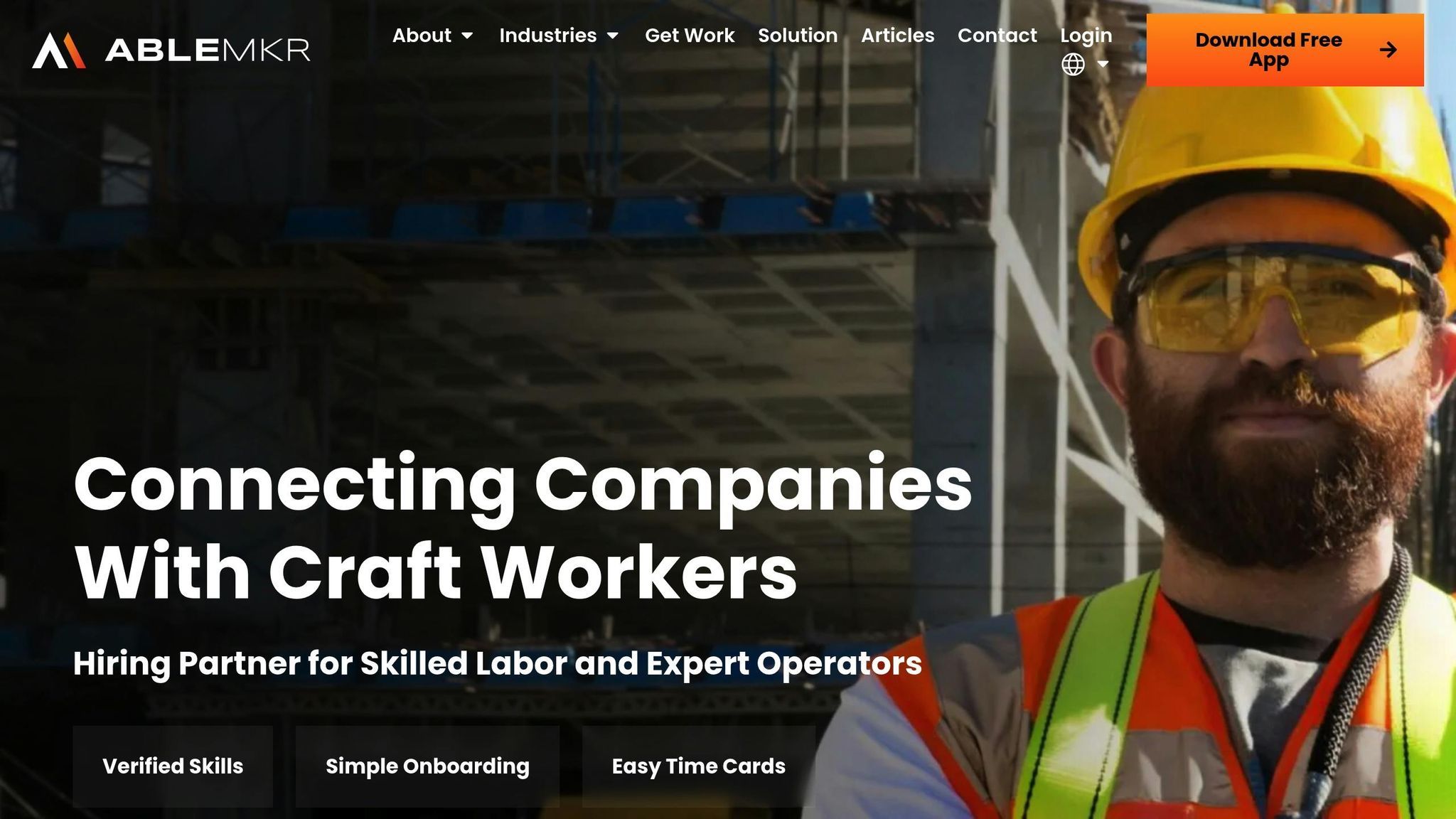
Predictive analytics isn’t just a buzzword – it’s a tool that’s delivering real results. ABLEMKR exemplifies how these technologies are reshaping industries like construction, energy, and extractives. Their platform turns the idea of predictive workforce management into operational reality.
ABLEMKR in Action
At its core, ABLEMKR’s predictive analytics engine processes multiple data streams simultaneously. It keeps tabs on certifications, safety training, worker availability, and geographic locations, while also monitoring real-time labor market trends and project demands. This powerful combination allows the platform to predict and address labor shortages before they become a problem.
Take, for example, a refinery shutdown in Texas. ABLEMKR was able to assemble a fully compliant crew in just hours by analyzing factors like urgency, certifications, and proximity. This quick action avoided costly delays and overtime expenses. The platform’s ability to match qualified workers instantly – based on up-to-date credentials and location – was a game-changer.
In 2024, ABLEMKR further proved its scalability by deploying a team of 50 skilled laborers for a major construction project in Texas. Thanks to its predictive capabilities, the platform reduced crew mobilization time from two weeks to just three days, aligning labor needs with project timelines and historical data. Project manager John Smith highlighted that this efficiency cut project costs by 20% by minimizing delays.
The platform’s mobile-first design ensures accessibility for everyone. Workers receive instant job notifications, while employers can track crew assembly progress in real time, making the entire process transparent and efficient.
For the oil and gas industry, ABLEMKR demonstrated its value during a new drilling project in Louisiana. By analyzing market trends and project requirements, the platform ensured that skilled workers were available on-site when needed. The result? A 30% boost in operational efficiency compared to prior projects.
"Our predictive analytics platform allows us to not only meet but anticipate the labor needs of our clients, ensuring that projects stay on schedule and within budget." – Jane Doe, CEO of ABLEMKR
These results highlight how predictive analytics can streamline operations and deliver benefits across the board.
Benefits for Employers and Workers
ABLEMKR’s platform doesn’t just create efficiency; it brings real advantages to both employers and workers, addressing long-standing challenges in workforce deployment.
For employers, the platform offers real-time insights into worker status and integrates payroll workflows seamlessly. Compliance tracking is built in, automatically monitoring certification expirations, safety training, and regulatory requirements. This reduces administrative headaches and ensures only qualified workers are sent to job sites.
The financial perks are equally compelling. Employers save money by cutting overtime costs, reducing recruitment expenses, and avoiding project delays. By forecasting labor needs, companies can sidestep the premium costs often associated with last-minute staffing.
For workers, the platform provides flexibility and stability. Instead of waiting for job opportunities or dealing with unreliable payment schedules, workers gain access to a steady stream of well-paying positions tailored to their skills and availability. The platform’s guaranteed on-time payment feature eliminates the financial uncertainty that often comes with contract work.
Geographic matching is another standout feature. Workers can find jobs closer to home or opt for assignments that fit their travel preferences – something especially valuable in industries like energy and mining, where projects are often in remote areas.
"Our platform not only connects skilled workers with employers but also ensures that compliance and efficiency are at the forefront of every project." – John Smith, Operations Director of ABLEMKR
Future of Predictive Analytics in Workforce Management
Workforce management is changing fast, and predictive analytics is right at the heart of this transformation. It’s not just about keeping up with trends – it’s about reshaping how businesses approach staffing and operations. Instead of reacting to problems as they arise, companies are shifting toward proactive workforce planning, with predictive analytics leading the charge.
According to Gartner, by 2026, 70% of organizations will use predictive analytics for strategic workforce planning. This shift marks a significant change in mindset, moving away from simply addressing immediate challenges and toward creating strategies that anticipate future needs.
New Trends and Technology
One of the most exciting developments is the use of Internet of Things (IoT) devices to gather workforce data. Wearable sensors and smart equipment now provide continuous updates on worker location, safety compliance, and equipment usage. This constant flow of real-time data feeds predictive models, helping businesses forecast labor needs more accurately and spot safety risks before they become serious issues.
Take industries like construction and energy, for example. Managers in these sectors can now receive alerts about potential staffing shortages or safety concerns before they escalate. IoT-enabled systems track everything from how equipment is being used to signs of worker fatigue, giving a complete picture that helps improve both safety and efficiency.
Meanwhile, machine learning and artificial intelligence (AI) are pushing predictive capabilities even further. AI models, paired with IoT devices, are achieving predictive accuracy rates of 80-90%, making labor forecasting and risk detection more precise than ever. Companies using AI-driven workforce planning have already cut their planning cycles by 30%, enabling quicker, more effective decision-making.
Another game-changer is the shift toward mobile-first platforms. These platforms allow managers and workers to access workforce data anytime, anywhere. This mobility is especially useful for industries with teams spread across multiple locations, where quick decisions and fast crew mobilization are critical for success.
Common Challenges and Solutions
As promising as these advancements are, challenges remain – especially when it comes to data. Poor data quality or fragmented systems can lead to unreliable predictions, undermining the benefits of predictive analytics when they’re needed most.
The fix? Companies need to invest in strong data infrastructures and standardize how data is collected across departments. Integrating systems like HR, payroll, and operations into a single, unified data ecosystem is key. Regular audits and feedback loops also ensure that data stays accurate and models remain dependable.
Another hurdle is workforce resistance. According to a Deloitte survey, 61% of organizations identify data privacy concerns as a major barrier to adopting advanced analytics. Employees and managers alike may hesitate to trust analytics-driven tools, especially if they don’t fully understand how these technologies work.
Building trust starts with education. Companies should provide not only technical training but also explain how predictive analytics benefits employees in their day-to-day roles. Involving workers early in the implementation process and demonstrating how these tools make their jobs easier – not replace them – can go a long way in overcoming skepticism.
McKinsey research shows that businesses managing change effectively during analytics rollouts can boost their chances of success by up to 70%. Starting small with pilot programs, showcasing early wins (like better scheduling or reduced overtime), and expanding gradually can help build confidence and encourage adoption.
Finally, privacy and compliance concerns must be addressed carefully. Handling sensitive workforce data requires robust data governance frameworks. These frameworks ensure compliance with regulations while still enabling the data sharing needed for predictive analytics to work effectively.
Clear policies around data use and transparency are essential. Platforms like ABLEMKR, which include built-in compliance features like certification monitoring and safety training verification, can help organizations address these concerns upfront.
The companies that will thrive in this space are those that continually refine their predictive models, update them with fresh data, and stay on top of advancements in AI, IoT, and mobile technologies. By adopting this mindset, they’ll stay ahead of workforce challenges and make the most of what predictive analytics has to offer.
Conclusion: Transforming Workforce Management with Predictive Analytics
Predictive analytics is reshaping workforce management by helping companies anticipate labor needs before shortages become a problem. This forward-thinking approach streamlines operations across industries where demand is high and resources are stretched.
Organizations leveraging AI-driven workforce planning are seeing real results: a 30% reduction in planning cycles and average annual labor cost savings of 15%. These improvements directly enhance efficiency and profitability, making predictive analytics a game-changer for businesses.
For sectors grappling with significant labor challenges, the impact is even more pronounced. In healthcare, administrators can now forecast staffing requirements to prevent burnout, while logistics companies using predictive tools have cut order fulfillment delays by 20%. These advancements not only improve operational efficiency but also elevate customer satisfaction.
Take ABLEMKR’s platform as an example of how predictive analytics delivers tangible results. By combining predictive insights with workforce deployment, the platform ensures pre-vetted workers are matched to job sites based on factors like certifications, safety training, availability, and location. This level of precision is critical for industries like construction, energy, and mining, where tight deadlines and strict safety standards leave no room for error. The result? Projects stay on track, avoiding costly delays.
The platform’s integrated design tackles multiple challenges at once. Employers gain real-time visibility into operations along with built-in compliance tracking, while workers benefit from flexible, well-compensated opportunities with guaranteed on-time payments. This seamless approach reduces inefficiencies and creates a smoother, more dynamic labor marketplace.
What sets this transformation apart is its scalability. As ABLEMKR extends its reach from construction to energy and extractives, it demonstrates how predictive analytics can adapt to diverse industry needs while maintaining core advantages like quicker crew mobilization, reduced bottlenecks, and better alignment between workforce supply and demand.
For businesses in high-demand industries, adopting a data-driven, predictive approach is no longer optional – it’s essential. Companies that embrace these tools will gain a lasting edge, while those clinging to traditional hiring methods risk falling behind. Predictive analytics doesn’t just address today’s challenges; it builds a stronger, more resilient workforce for the future. The time to act is now.
FAQs
How can predictive analytics help solve labor shortages in industries like construction and energy?
Predictive analytics enables companies to foresee potential labor shortages by examining workforce trends and pinpointing gaps before they escalate into major issues. This gives businesses the chance to allocate resources ahead of time, ensuring they can handle demand, especially in fast-paced industries.
Take platforms like ABLEMKR, for example. They use this technology to link skilled workers with critical projects in fields like construction, energy, and mining. By pairing pre-screened laborers with job sites based on factors like certifications, availability, and location, companies can quickly assemble teams while maintaining compliance and efficiency. This method not only addresses workforce shortages but also simplifies the hiring and deployment process for both employers and workers.
What challenges do companies face when using predictive analytics for workforce management, and how can they address them?
Implementing predictive analytics in workforce management isn’t always smooth sailing. Challenges like poor data quality, system integration issues, and resistance to change can make the process tricky. For instance, incomplete or inconsistent data often leads to unreliable predictions. That’s why it’s crucial to ensure your data is clean, comprehensive, and regularly updated to generate accurate insights.
Another big obstacle is getting predictive tools to work seamlessly with existing workflows and software. To tackle this, businesses should opt for scalable solutions that integrate smoothly with their current systems. Beyond the technical side, encouraging a mindset that values data-driven decisions and offering employees thorough training can help ease the transition to new technologies.
Platforms like ABLEMKR are designed to simplify this entire process. With their mobile-first, scalable solutions, they make workforce deployment more efficient. By matching pre-vetted workers to projects based on factors like certifications, availability, and location, businesses can quickly fill labor gaps while staying compliant and efficient.
How can businesses protect data quality and privacy when using predictive analytics to address labor shortages?
To maintain high standards of data quality and privacy when using predictive analytics, businesses should focus on a few essential steps.
Start with strong data governance policies. These policies help ensure datasets are accurate, consistent, and reliable. Regular audits and data-cleaning routines are critical here – they help identify and remove errors or outdated information that could skew results.
Next, make data privacy a top priority. Use secure storage systems and encryption to protect sensitive information. Incorporating anonymization techniques is another effective way to shield personal data while still allowing for meaningful analysis.
Lastly, stay compliant with regulations like GDPR or CCPA. It’s also important to train employees and stakeholders on responsible data handling practices. This not only ensures compliance but also promotes a culture of accountability and trust.
By following these practices, businesses can confidently use predictive analytics to forecast workforce needs while safeguarding both data quality and security.


