
Hiring for offshore oil rigs is tough. Remote locations, high turnover, and strict safety standards make it challenging to find the right people quickly. But technology is changing the game. Here’s how:
- Faster Hiring: Digital tools cut hiring times by up to 65%.
- Better Matches: Platforms like ABLEMKR use algorithms to pair workers with jobs based on skills, certifications, and experience.
- Safety First: Automated systems ensure all workers meet safety and compliance requirements before stepping onto a rig.
- Mobile Access: Apps allow hiring managers to review candidates, schedule shifts, and make decisions from anywhere.
- Cost Savings: Companies save 20–30% on hiring costs using digital staffing solutions.
How Technology Streamlines Recruitment
The recruitment process for offshore oil rigs has undergone a major shift, moving away from outdated, paper-heavy methods to more efficient digital systems. This transformation has significantly reduced hiring times – by as much as 65%. For example, technical positions now take around 51 days to fill, compared to 36 days for non-technical roles, eliminating the need for 2–3 weeks of reactive hiring delays. These advancements have paved the way for more specialized tools that cater to staffing and mobile recruitment needs.
With automated systems, real-time communication, and detailed candidate databases, hiring becomes faster and more precise. These tools ensure candidates are matched to the right roles while maintaining strict safety and compliance standards – both critical for offshore operations.
The Role of Staffing Platforms
Staffing platforms have become indispensable in offshore oil rig recruitment. They use advanced matching algorithms that go beyond simple keyword searches, focusing instead on candidate qualifications such as education, skills, experience, and certifications. Core Group Resources highlights this tailored approach:
"We understand the industry and ensure that every candidate we recommend is matched with a reputable employer that meets their needs".
Platforms like ABLEMKR take this a step further by offering pre-verified worker profiles and an automated job-matching system. This ensures offshore employers connect with candidates who meet specific technical and safety requirements. By maintaining an updated pool of ready-to-work talent, these platforms effectively address ongoing staffing shortages. Additionally, they integrate seamlessly with mobile and digital onboarding tools, enhancing the entire recruitment process.
Safety compliance is another area where these platforms excel. Through thorough vetting processes, they verify essential qualifications such as safety certifications, offshore experience, and technical skills – key elements for successful operations.
Mobile Apps for On-the-Go Hiring
Mobile applications have added another layer of efficiency to offshore recruitment, enabling hiring processes to happen anytime, anywhere. The ABLEMKR mobile app, for instance, allows workers to search for jobs, submit applications, and communicate with employers. On the employer side, hiring managers can review profiles, conduct initial screenings, and make decisions – all without needing a desktop.
These apps are particularly useful for offshore teams working across time zones, ensuring hiring progress continues around the clock. Developing effective mobile hiring apps requires clear communication protocols and expertise in the necessary platforms. By leveraging pre-vetted talent pools, mobile apps allow hiring managers to quickly assess candidates through standardized technical evaluations. This streamlined approach has also proven cost-effective, cutting operational expenses by 20–30% compared to traditional in-house hiring methods. From candidate searches to managerial reviews, mobile solutions are transforming the way offshore recruitment operates.
Workforce Management Tools for Offshore Operations
Managing offshore oil rig operations comes with its own set of challenges: remote locations, long shifts, and strict safety protocols. To tackle these effectively, digital tools have become indispensable. These systems have replaced outdated paper-based methods, offering real-time solutions that streamline team coordination. They also address unique offshore demands, such as the industry-standard 2-week-on, 4-week-off rotation schedule and 12-hour shifts – significantly longer than typical onshore operations. By bridging workforce planning with operational execution, these tools bring advanced scheduling and safety features into play.
Digital Onboarding and Scheduling
Digital scheduling platforms have completely reshaped how offshore teams are managed. These tools provide centralized control, giving managers a clear view of worker availability, certifications, and qualifications. This makes scheduling not only faster but also more accurate and compliant with labor standards. Unlike manual methods, automated systems create shift patterns that balance operational needs with worker well-being.
The impact of these tools is backed by real-world examples. One oil company reported saving $30 million over two years and reducing 1,000 person-hours by streamlining their scheduling system. Another operator cut $5 million in costs within three months by optimizing rig scheduling to reduce unnecessary travel.
A standout feature of these platforms is their ability to function offline, syncing data seamlessly once reconnected.
A Senior Scheduler from a leading E&P operator described the transformation:
"When I first came to the company, everyone was busy putting out fires – like scrambling for permitting for a well that the rig was on its way to – and now we are scheduling six months in advance with tremendous visibility into all activities, from drilling and completions to facilities. We’re hitting our production and budget goals like never before."
Similarly, a Master Scheduler from a U.S.-based E&P operator highlighted the value of integration:
"We’ve integrated every activity across multiple teams into our master schedule; even third-party activities are included because they constrain us and impact our overall success. When you have the visibility provided by a robust digital scheduling system into every aspect of your operation, you can truly be strategic."
Safety Management and Compliance Tracking
Safety is non-negotiable in offshore operations, and digital workforce management systems play a critical role in ensuring compliance. These platforms automate alerts for expiring certifications, helping teams stay ahead of deadlines and avoid lapses. Certification tracking is not just a formality – it’s essential for maintaining safe and legal operations.
Additionally, these tools prevent workers from being assigned to tasks unless they meet all required qualifications. This automated safeguard minimizes human error and ensures consistent compliance. Beyond certifications, these systems also track safety training completions and incident reports, creating detailed safety profiles for each worker.
For offshore supervisors, mobile access to certification information is a game-changer. Workers can quickly verify their credentials via mobile devices – even offline – making shift changes and emergency responses smoother.
Large-scale implementations further highlight the scalability of these tools. For example, Saudi Aramco uses a training LMS system to manage certification renewals and ensure consistent technical and safety training across multiple locations. This approach ensures that workers meet the highest standards of operational readiness.
These platforms also offer performance monitoring features, delivering real-time insights into worker productivity and efficiency. AI-powered analytics identify trends, forecast staffing needs, and help optimize labor costs. Importantly, these systems prioritize transparency, balancing the need for oversight with respect for employee privacy.
Tools like ABLEMKR bring all these features together, offering integrated solutions for offshore managers. From verifying qualifications to managing schedules, ABLEMKR ensures smooth operations – even in remote areas with limited connectivity. Its mobile-friendly design keeps managers connected and in control, reinforcing operational efficiency and safety standards.
Transparency and Cost Management in Offshore Staffing
Thanks to advancements in digital platforms, managing offshore staffing costs has become more transparent and efficient. These tools provide real-time insights into expenses, replacing outdated manual processes and guesswork in project management.
Offshore operations often involve high financial stakes. For instance, an oil rig can generate 2 terabytes of data daily, according to Cisco. By leveraging digital tools to manage this data, companies can achieve precise cost tracking and financial clarity that was once out of reach.
Real-Time Invoicing and Budget Tracking
Digital staffing platforms have transformed how offshore projects handle invoicing and budgets. Real-time invoicing eliminates delays caused by paper-based systems, allowing managers to monitor spending as it happens and avoid budget overruns.
The benefits of these tools are undeniable. For example, Halliburton‘s Integrated Virtual Remote Operations (iVRO) has demonstrated up to 40% reductions in organizational and operational costs. This reduction is largely due to the platform’s ability to provide real-time performance analysis, empowering better financial decisions.
Edge computing plays a crucial role in ensuring these systems work efficiently, even in remote offshore locations. Schneider Electric explains:
"Latency is the time between the moment a data packet is transmitted to the moment it reaches its destination (one way) and returns (round trip). Excessive latency restricts network capacity… When Edge Computing is deployed, very few latency issues occur because the data is analyzed locally instead of sent up and back from the cloud."
By processing data locally, edge computing ensures that financial tracking remains accurate, even in areas with unreliable internet connectivity.
Modern resource management software combines various functions, such as resource allocation, time tracking, expense management, and invoicing. For offshore managers, features like integrated invoicing, budget tracking, and resource scheduling are essential. Platforms like ABLEMKR exemplify this approach. Their real-time invoicing feature ensures managers can track expenses as they happen, helping prevent unexpected budget issues and enabling more accurate financial planning.
Audit Trails and Regulatory Compliance
Digital tools not only improve operational efficiency but also enhance financial discipline. Maintaining detailed digital records has become crucial for offshore operations, where regulatory compliance is a constant concern. Workforce management systems automatically create comprehensive audit trails, recording every transaction, schedule adjustment, and cost allocation. This documentation is invaluable for meeting regulatory requirements.
These systems are particularly effective in organizing the vast amounts of data generated by offshore operations. McKinsey and Company highlights this potential:
"Technology has potential to boost performance across the entire upstream oil and gas value chain by enabling optimization and automation."
This optimization extends to compliance management, where automated record-keeping minimizes human error and ensures that all required documentation is readily available during audits.
Digital platforms also support multi-level approval processes, creating clear accountability. When staffing changes or budget adjustments require approval, the system routes requests to the appropriate decision-makers while keeping a detailed record of approvals. This transparency is critical during audits or regulatory reviews.
Emerging technologies like AI and machine learning are further streamlining compliance. These tools can flag potential compliance risks before they escalate and highlight transactions that need additional scrutiny. Mobile capabilities also allow offshore supervisors to access compliance data and approve actions remotely, ensuring seamless operations even in isolated locations.
Platforms like ABLEMKR enhance accountability throughout the workforce management process. By maintaining detailed records of staffing decisions, cost allocations, and schedule changes, the platform helps companies meet regulatory standards while reducing administrative burdens. Automated compliance features, such as verifying certifications and tracking training completions, ensure that workers meet all requirements before being assigned tasks. This proactive approach reduces risks and supports the high safety standards essential in offshore environments.
sbb-itb-aa28329
ABLEMKR‘s Impact on Offshore Oil Rig Hiring
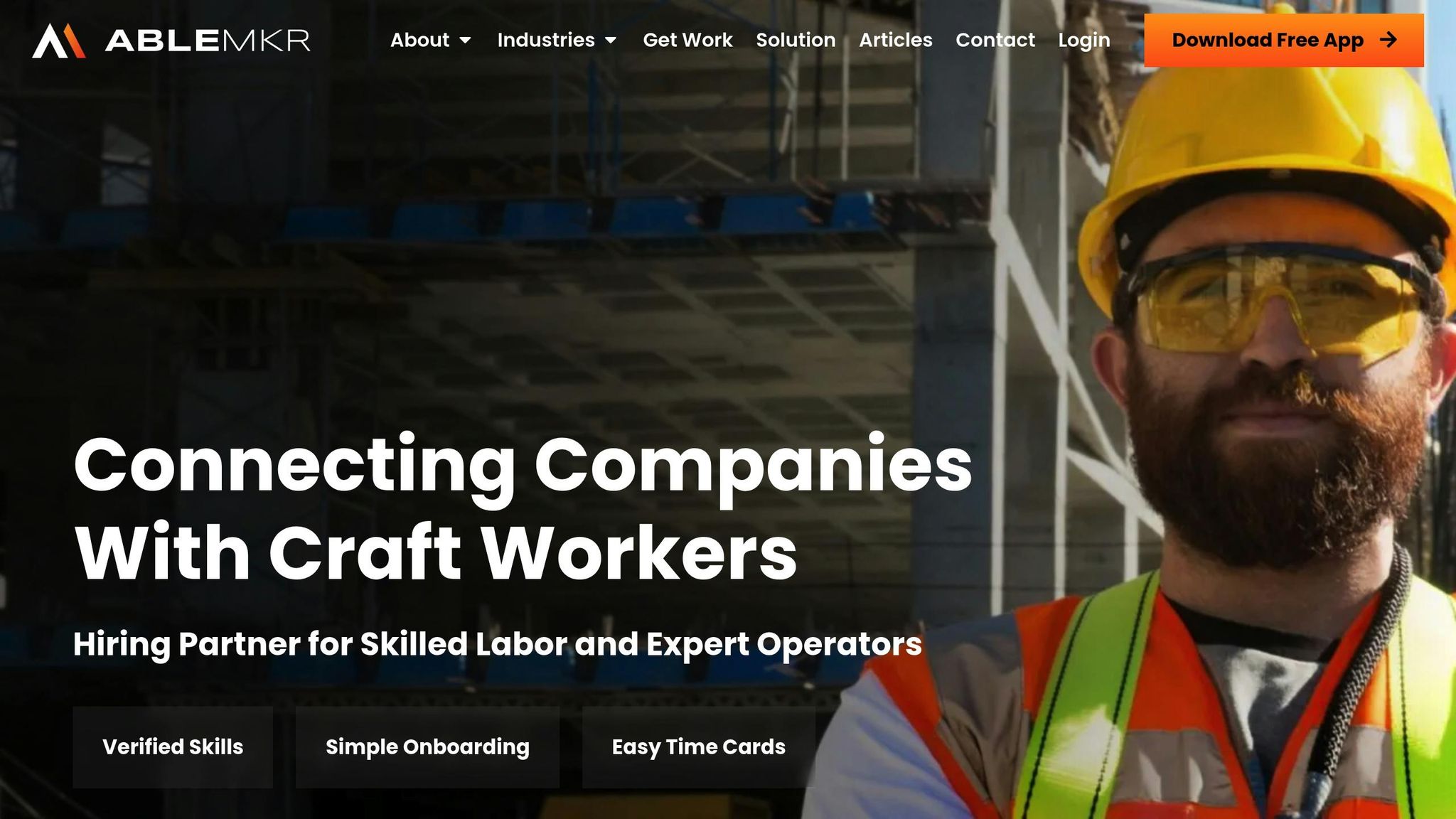
Managing offshore oil rig staffing comes with unique challenges, from navigating remote logistics to adhering to strict safety standards. ABLEMKR simplifies these complexities by streamlining recruitment and compliance processes. By ensuring a steady supply of skilled offshore professionals, the platform helps U.S. energy projects avoid costly delays, even in urgent situations.
Let’s dive into how ABLEMKR tackles the critical demands of offshore staffing through its key features and compliance measures.
Key Features for Offshore Needs
ABLEMKR’s platform is designed to meet the specific demands of offshore hiring managers. With verified worker profiles, hiring teams gain access to complete, up-to-date information on thousands of pre-vetted professionals. Every worker is screened against customer-defined requirements, ensuring a pool of skilled candidates ready to meet the rigorous standards of offshore operations.
The platform goes beyond simple job matching. It manages the entire employment lifecycle – covering insurance, payroll, and benefits. This comprehensive support takes the administrative load off offshore operators, freeing up resources for more critical tasks.
For remote environments like offshore rigs, mobile accessibility is non-negotiable. The ABLEMKR mobile app allows supervisors to book appointments, exchange messages, view profiles, and track worker locations, even with limited connectivity. This means staffing decisions can be made and managed directly from the rig, ensuring operations run smoothly.
The platform also provides flexible staffing options to align with evolving project needs. Whether it’s flex workers, flex-to-hire, subscription-based hiring, or direct placement, ABLEMKR adapts to different operational phases. Real-time cost tracking and transparent job postings further empower businesses to make informed decisions and keep expenses under control.
Supporting Compliance and Efficiency
ABLEMKR doesn’t just focus on filling roles – it emphasizes safety and compliance, which are vital for offshore operations.
The platform operates with a "safety-first mindset", recruiting licensed professionals specifically for the Oil & Gas industry. These workers meet the specialized certifications required for offshore roles, such as Licensed Journeyman Electricians and Instrumentation & Electrical Technicians. By thoroughly vetting and interviewing candidates to match customer specifications, ABLEMKR ensures only qualified professionals are placed in critical positions, minimizing the risk of safety violations.
Automated processes for matching and onboarding further reduce hiring time and administrative headaches, allowing operators to focus on their core activities. ABLEMKR applies the same efficient practices across different hiring arrangements, whether for hourly workers or full-time direct placements, ensuring consistency in quality.
Another key benefit is the platform’s management of insurance and compliance. ABLEMKR handles essential coverage like Workers Compensation Insurance and Commercial General Liability Insurance, ensuring every worker is properly insured before stepping onto a rig. This proactive approach not only meets stringent safety standards but also reduces administrative burdens for offshore operators, creating a safer and more efficient work environment.
The Future of Offshore Hiring with Technology
The offshore oil and gas industry is undergoing a major transformation as technology reshapes how companies hire, manage, and deploy their workforce. The digital transformation market in this sector is projected to grow by $56.4 billion, with a CAGR of 14.5% between 2025 and 2029. This shift is driving changes in efficiency, predictive maintenance, and remote management, all of which are directly influencing workforce strategies.
Boosting Operational Efficiency is becoming a cornerstone of this change. Offshore automation is expected to enhance operational efficiency by 20–30% by 2025. By streamlining processes, hiring managers can shift their focus from reactive staffing to more strategic workforce planning. Additionally, companies implementing automation have reported a 30% reduction in workplace incidents, showing how technology not only improves productivity but also enhances safety.
The adoption of predictive maintenance and AI-driven systems is another game-changer. These technologies have reduced unplanned downtime by 20–30%, which helps companies better anticipate workforce needs and reduces the reliance on emergency staffing.
Real-time data processing and remote management are also revolutionizing offshore operations. For example, cloud-based solutions have been shown to cut unplanned downtime by up to 35%. Partnerships like Nabors Industries‘ collaboration with Corva, which integrates over 100 apps and dashboards, have led to a 61% increase in penetration rates and a 25% improvement in drilling performance. These advancements require a workforce that is not only highly skilled but also adaptable to new technologies. Improvements in remote data management are also opening doors to innovative safety measures and training methods.
The training and compliance landscape is evolving as well, with virtual reality (VR) playing a pivotal role. VR-based training programs are reducing the need for on-site sessions in high-risk environments, offering a safer and more efficient way to prepare personnel.
"We are eager to explore how robotics systems can make offshore operations safer, more efficient, and more sustainable." – Karl Johnny Hersvik, CEO of Aker BP
As operational demands shift, green energy integration is creating new staffing needs. Many companies in the upstream oil and gas industry are incorporating sustainability into their long-term strategies. This trend is driving demand for workers skilled in both traditional offshore roles and emerging clean energy technologies.
The U.S. offshore sector is set for substantial growth, with oil production expected to rise by 15–20% by 2025. Gulf of Mexico fields alone are projected to contribute over 2 million barrels per day. This expansion not only creates opportunities for skilled workers but also highlights the need for advanced hiring processes to meet these demands.
ABLEMKR is at the forefront of this technological evolution, offering tools that match skilled talent with the changing needs of offshore operations. Their platform provides verified worker profiles, mobile-friendly hiring solutions, and robust compliance management. As the industry continues to embrace digital transformation, platforms like these – focused on safety, transparency, and efficient workforce management – will be essential for navigating the challenges of this new era.
"The future belongs to those who prepare for the evolution, not just the disruption." – Mohsin S., Senior Business Development Manager @ SolveNow
FAQs
How do platforms like ABLEMKR ensure offshore oil rig workers meet safety and compliance standards before hiring?
Digital staffing platforms like ABLEMKR play a crucial role in ensuring that offshore oil rig workers meet strict safety and compliance standards. They achieve this by thoroughly verifying certifications, licenses, and training records, making sure every worker aligns with industry safety requirements.
On top of that, tools such as real-time monitoring systems and digital worker profiles give employers a clear picture of each candidate’s job readiness. By integrating these technologies, these platforms not only simplify the hiring process but also keep safety and compliance at the forefront.
How do mobile apps improve hiring and managing staff for offshore oil rigs?
Mobile apps simplify the hiring and management processes for offshore oil rig teams by providing real-time communication for schedules, incident reporting, and operational updates. This leads to better safety measures, improved accountability, and smoother operations overall.
Additionally, these apps support personnel tracking, deliver emergency alerts, and maintain seamless connectivity with remote locations. By integrating these features, they help ensure that offshore operations run efficiently and remain well-coordinated, even in challenging environments.
How do predictive maintenance and AI improve safety and workforce efficiency on offshore oil rigs?
Predictive maintenance and AI-powered systems are transforming safety measures and workforce management on offshore oil rigs. Predictive maintenance relies on sophisticated algorithms to spot potential equipment issues or hazardous conditions before they escalate. By addressing problems early, this approach not only reduces downtime but also helps prevent accidents, keeping operations running smoothly and safely.
AI tools like video analytics and real-time monitoring take safety a step further. They can identify hazards, ensure workers are following PPE requirements, and send alerts about potential risks. By automating routine safety checks, these technologies free up teams to concentrate on more critical tasks, fostering a safer and more efficient work environment.


