
Dynamic scheduling is transforming how companies manage emergency shutdowns and repairs by leveraging real-time data, predictive analytics, and automated workforce deployment. Unlike rigid scheduling systems, dynamic scheduling allows companies to respond faster to unexpected events, allocate resources efficiently, and reduce downtime. Here’s what you need to know:
- Key Challenges in Emergency Repairs: Unplanned outages often lead to delays, budget overruns, and difficulties in deploying specialized workers quickly.
- Limitations of Fixed Scheduling: Traditional systems struggle with real-time updates, geographic constraints, and ripple effects from unforeseen issues.
- How Dynamic Scheduling Works: By integrating live data from equipment sensors, weather forecasts, and workforce databases, dynamic systems adjust schedules instantly.
- Benefits: Faster response times, cost savings, and better resource allocation.
- Example: Platforms like ABLEMKR use mobile-first technology to match qualified workers to job sites efficiently, ensuring compliance and reducing delays.
To implement dynamic scheduling, start with pilot projects, integrate real-time data sources, and train teams on advanced platforms. This approach ensures smoother operations and more effective responses to emergencies.
INOSIM Foresight – Predictive Decision Support for Maintenance Planning

How Dynamic Scheduling Functions
Dynamic scheduling relies on integrated systems to manage workforce deployment with real-time flexibility. Unlike traditional fixed scheduling methods, these systems continuously analyze conditions and adjust assignments based on live data. This approach revolutionizes how organizations respond to unexpected events like equipment failures or emergency repairs. At the heart of this system is the ability to integrate real-time data.
Real-Time Data Integration
Dynamic scheduling thrives on its capacity to collect and process live data from multiple sources. These systems draw information from equipment health sensors, weather forecasts, workforce availability databases, and process control computers tracking operational statuses across facilities.
When disruptions occur – such as machinery breakdowns or severe weather – the system detects them instantly through tools like barcode scanners, automated sensors, and computer terminals. It then categorizes these disruptions into resource-related issues (like employee absences) or job-related challenges (like complex repair needs).
This constant monitoring offers a real-time operational snapshot that traditional scheduling simply can’t provide. For instance, if a sensor flags a pressure anomaly in a pipeline, the system immediately identifies it as a potential emergency. It then coordinates a response, factoring in weather conditions, local resource availability, and the feasibility of expedited logistics. This seamless integration of diverse data sources ensures quick and efficient decision-making.
Predictive Analytics and Forecasting
Dynamic scheduling doesn’t just react to events – it anticipates them. Using predictive analytics, these systems analyze historical data, equipment performance trends, and environmental factors to forecast potential disruptions. By identifying patterns in equipment failures, seasonal maintenance needs, and workforce availability, the system can adjust schedules proactively and position resources to prevent last-minute chaos.
Over time, these predictive models become more refined, handling increasingly complex scenarios. For example, in industries like nuclear power, where every additional shutdown day can significantly impact revenue, predictive analytics can mitigate delays. By anticipating complications and adjusting schedules ahead of time, these systems help prevent small issues from spiraling into major problems.
Automated Resource Matching
Another key feature of dynamic scheduling is automated resource matching, which quickly connects the right workers to critical tasks. This process goes beyond basic availability checks, using advanced algorithms to evaluate factors like location, certifications, safety training, and specific skill requirements.
When emergencies arise, the system scans its database of pre-vetted workers to find candidates who meet all necessary criteria. Geographic proximity plays a major role, as the system calculates travel times and transportation options to identify who can reach the site fastest. Certification and compliance requirements are also cross-checked in real time.
A great example of this in action is ABLEMKR’s mobile-first platform. It keeps up-to-date profiles of skilled workers across major U.S. cities and energy corridors, detailing their current locations, certifications, and availability. If a refinery in Texas experiences an unexpected shutdown, the system can instantly locate certified technicians within a 50-mile radius who are ready to respond. Workers receive immediate notifications with job details, including safety protocols and estimated job durations.
This automated approach not only ensures rapid deployment but also streamlines compliance tracking and payroll processes, avoiding administrative delays. By dynamically reallocating resources and adjusting plans on the fly, these systems help organizations maintain continuity and efficiency, even in the face of unexpected disruptions.
Steps to Implement Dynamic Scheduling
Revamp your scheduling process by evaluating your needs, integrating real-time data, and adopting advanced platforms to streamline shutdowns and repairs. Moving from a fixed scheduling approach to a dynamic system requires careful planning, the right technology, and workforce readiness. Below are the key steps to establish a dynamic scheduling system that effectively manages both planned maintenance and unexpected repairs.
Assess Project Requirements
Start by analyzing your operational needs. This evaluation lays the groundwork for decisions about technology, resources, and processes.
Document the typical shutdowns and repairs your operation encounters. Track the frequency and duration of planned maintenance, the average time needed to resolve unplanned outages, and the types of skilled workers required for each scenario. For instance, energy sector operations might need certified welders for pipeline inspections.
Don’t overlook compliance requirements. Different industries are subject to regulations that directly influence scheduling decisions. For example, oil and gas operations must adhere to Department of Transportation pipeline safety standards, while utility companies must align with North American Electric Reliability Corporation guidelines. These regulations often specify minimum crew sizes, mandatory safety training, and certification levels.
Geography is another critical factor. If your operations span multiple states or regions, you’ll need to account for variations in labor availability, travel distances, and local regulations. For example, a mining company operating in Wyoming and Nevada will face different workforce pools and logistical challenges, which can impact scheduling.
Map out your resource availability, including contractor relationships, internal workforce capabilities, and equipment access. Consider seasonal labor fluctuations, as industries like construction and energy often deal with workforce shifts due to weather or competing projects.
Once you’ve defined your project needs, the next step is to integrate real-time data for immediate and informed scheduling decisions.
Connect Real-Time Data Sources
Dynamic scheduling thrives on continuous data streams, which are essential for responding to changing conditions effectively. The quality and timeliness of this data are crucial for success.
Start with equipment monitoring systems, which provide essential data for predictive scheduling. Tools like supervisory control and data acquisition systems, programmable logic controllers, and condition monitoring equipment generate performance data continuously. When integrated with your scheduling platform, these systems can automatically flag equipment issues that may require maintenance.
For outdoor operations, incorporating weather data is critical. Link your scheduling system to sources like the National Weather Service or specialized industrial weather services that offer hyperlocal forecasts. This integration allows for automatic rescheduling when severe weather poses risks to worker safety or equipment functionality.
Workforce management systems should also connect directly to your scheduling platform. This integration provides real-time updates on worker availability, location, and certifications, eliminating delays caused by manual updates or phone-based coordination during emergencies.
By combining equipment monitoring, weather forecasts, workforce data, and supply chain information, your scheduling system can make timely and well-informed adjustments.
With these data sources in place, the next step is to leverage advanced platforms for seamless coordination.
Use Advanced Scheduling Platforms
Modern dynamic scheduling relies on sophisticated platforms that can process multiple data streams and manage complex resource allocation. These platforms act as the operational hub for your scheduling needs.
For example, ABLEMKR’s mobile-first platform enables quick, automated workforce deployment during shutdowns and repairs. It maintains real-time profiles of skilled workers across major U.S. cities and energy hubs, tracking their locations, certifications, and availability. In emergencies, the system identifies qualified technicians nearby and dispatches them with job details, safety protocols, and compliance requirements.
Automated compliance tracking is another critical feature. The platform ensures only certified personnel are assigned to jobs, removing bottlenecks that could delay operations.
Integrated payroll workflows streamline administrative tasks, such as time tracking, rate calculations, and payment processing. This is especially valuable during extended shutdowns where workers may accumulate significant overtime under complex pay structures.
For large-scale operations, scalability is key. Whether managing a maintenance shutdown with 50 workers or an emergency requiring over 200 specialized technicians, the platform ensures consistent coordination and oversight. It also supports geographically dispersed operations, maintaining service levels across multiple states or regions.
Real-time dashboards provide operations managers with a clear view of worker status, project progress, and resource utilization across active sites. This visibility allows for proactive decision-making and helps identify potential issues before they affect timelines.
When choosing a scheduling platform, prioritize systems with open API integration. This ensures seamless connectivity with your existing enterprise systems, equipment monitoring tools, and external data sources, minimizing the need for custom development.
Benefits of Dynamic Scheduling for Shutdowns and Repairs
Dynamic scheduling can transform how organizations handle both unexpected disruptions and planned maintenance. By improving responsiveness and making better use of available resources, it ensures operations run smoothly while keeping costs in check.
Flexibility and Speed
One of the standout advantages of dynamic scheduling is its ability to adapt in real time. Whether it’s a sudden machine breakdown, an urgent order, or unexpected workforce changes, these systems can quickly adjust schedules, reroute tasks, and reallocate resources. This means that even when faced with last-minute absences or shifts in demand, operations remain steady and efficient.
Cost and Resource Optimization
Dynamic scheduling doesn’t just respond quickly – it also helps save money and make the most of resources. By using real-time data, predictive analytics, and automated tools, it reduces the need for manual coordination and ensures resources are allocated where they’re needed most. The result? A more streamlined process that boosts productivity while keeping costs under control.
sbb-itb-aa28329
ABLEMKR‘s Role in Dynamic Workforce Deployment
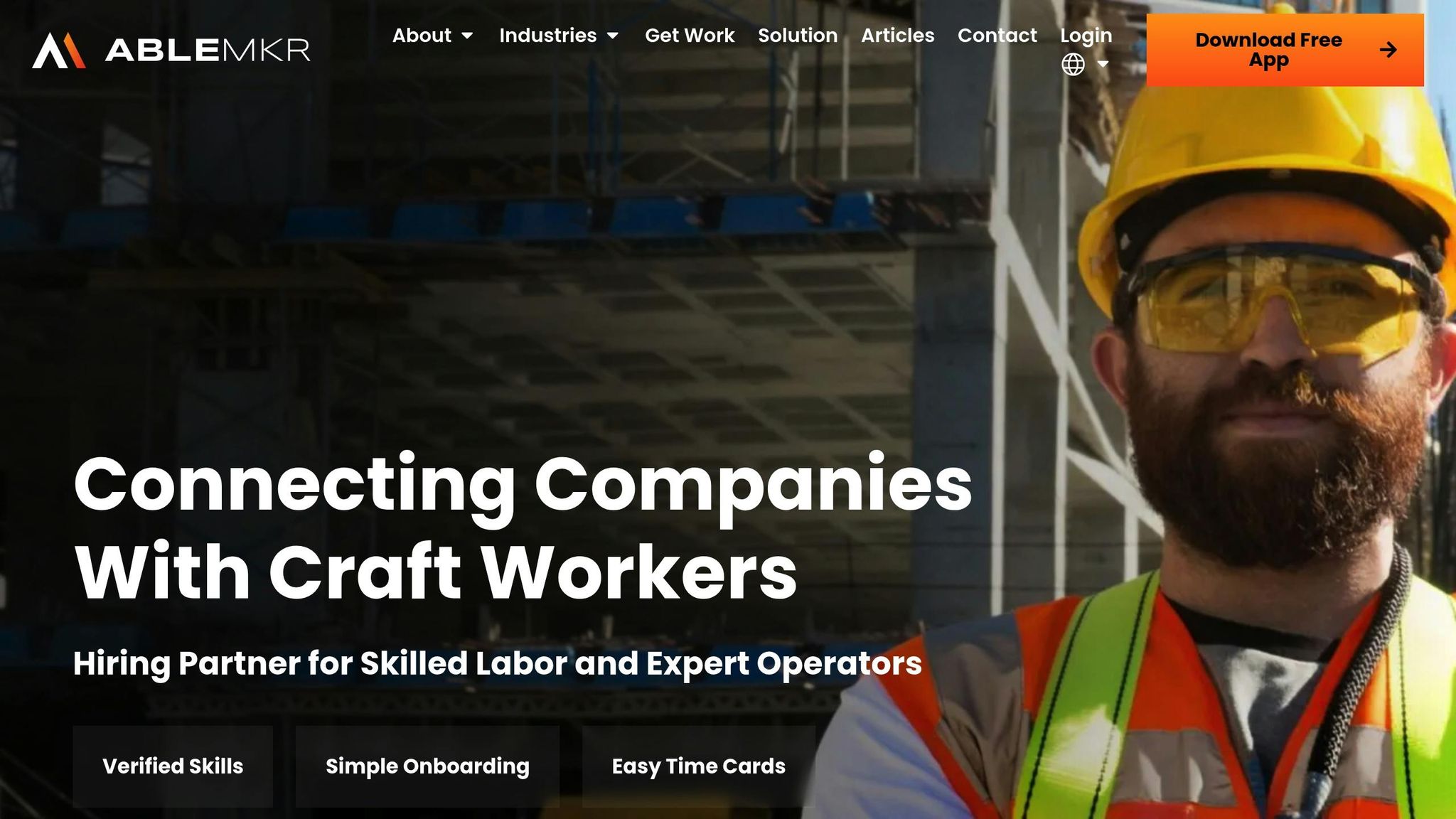
ABLEMKR is reshaping workforce deployment in the energy and construction industries by using advanced technology to connect skilled workers with urgent shutdowns and repair needs – anytime, anywhere. By leveraging modern mobile technology, the platform ensures seamless communication and real-time updates for all stakeholders.
Mobile-First Technology for Real-Time Updates
ABLEMKR’s mobile-first design keeps field crews and office managers in sync, even during the most unpredictable scheduling situations. With instant notifications, live status updates, and two-way messaging, the platform ensures everyone stays on the same page. For example, when an unexpected refinery shutdown occurs, supervisors can instantly send assignments to workers’ smartphones. Workers can then confirm tasks, update their availability, or report issues – all in real time.
During one unplanned refinery shutdown in Texas, ABLEMKR’s platform assembled a fully compliant crew within hours, cutting downtime by 30% and avoiding costly penalties. This level of responsiveness showcases how real-time communication can make a significant difference in high-stakes scenarios.
Automated Compliance and Worker Matching
The platform doesn’t just streamline scheduling – it also ensures compliance by automating the worker matching process. ABLEMKR keeps digital records of certifications, safety training, and work history, guaranteeing that only qualified personnel are dispatched for specific project needs. For instance, verifying OSHA-certified welders for a refinery shutdown becomes a seamless process.
Using advanced algorithms, the platform analyzes factors like GPS location, skills, certifications, and real-time availability to assign the right workers to urgent tasks. For remote pipeline repairs, this means ABLEMKR can quickly assemble compliant crews from nearby areas, speeding up response times and reducing mobilization costs.
Patrick Wallain, President and CEO of ABLEMKR, highlights the challenge of scaling workforce deployment:
"Companies have a really hard time going from six workers on site to 100 in six weeks."
By using AI to analyze company needs and distribute them across its network, ABLEMKR eliminates traditional bottlenecks, dramatically improving the speed of workforce scaling.
Scalability for Large and Small Projects
ABLEMKR’s platform is designed to handle projects of any size with ease. Whether it’s a single-crew emergency repair or a large-scale plant shutdown requiring hundreds of workers, the cloud-based system can scale up or down as needed. This flexibility is crucial for companies juggling multiple sites or managing unpredictable events.
With a strong presence in major U.S. cities and energy hubs, ABLEMKR ensures access to skilled workers no matter where the project is located. From planned mine developments in Colorado to emergency pipeline repairs in North Dakota, the platform keeps dynamic scheduling efficient and reliable, regardless of the project’s scope or location.
Best Practices for Adopting Dynamic Scheduling
Dynamic scheduling offers numerous operational advantages, but implementing it successfully requires a thoughtful approach. Rushing into full-scale deployment without preparation can lead to resistance and disruptions, potentially derailing progress for months. Here’s how to adopt dynamic scheduling effectively.
Start with Pilot Projects
Begin by testing dynamic scheduling on smaller, controlled projects. This approach helps uncover potential challenges before scaling the system across your entire operation. Choose pilot projects with clear metrics and manageable complexity to build trust and confidence among stakeholders.
For example, try applying dynamic scheduling to emergency repairs or single-site shutdowns involving 20-30 workers. These scenarios are complex enough to test the system but small enough to handle if issues arise.
During these pilots, focus on tracking specific outcomes rather than relying on general impressions. Metrics like time-to-deployment, schedule change frequency, overtime costs, worker satisfaction, and utilization rates provide concrete data. These insights not only justify broader adoption but also highlight areas for improvement before expanding the system.
Train Teams on Tools and Platforms
Proper training is essential for integrating dynamic scheduling into daily workflows. Start with supervisors and project managers who will handle real-time scheduling decisions, then extend training to field workers who interact with mobile tools.
Hands-on training works best. Simulate real-world scenarios like emergencies, shift adjustments, and compliance checks. Begin with common use cases – such as emergency callouts or shift changes – before moving on to advanced features.
Workers should practice updating their availability, confirming assignments, and reporting status changes until these tasks become second nature. This is especially important for older workers who might be less familiar with mobile technology.
Designate internal champions to provide ongoing support once formal training is complete. These individuals should understand both the technical aspects of the platform and the operational benefits of dynamic scheduling. They’ll be the go-to resources for troubleshooting and guidance during live deployments.
Focus on Worker Experience
The success of dynamic scheduling hinges on worker satisfaction and adoption. Clearly communicate how scheduling decisions are made, so workers understand why they’re assigned to specific projects and how eligibility is determined.
Compensating workers fairly for their schedule flexibility is key. For instance, those who are available for emergency callouts or last-minute assignments should receive premium pay or other incentives. This creates a positive cycle where more workers willingly participate in dynamic scheduling.
Clear, timely communication about schedule changes is equally important. Whenever possible, send notifications in advance and include details like project locations, duration, required certifications, and pay rates. Providing this level of transparency helps workers make informed decisions about accepting assignments.
Additionally, automate administrative tasks like certification tracking, timesheet submissions, and payment processing. Reducing paperwork allows workers to focus on their jobs, making them more likely to embrace the new system.
Finally, gather regular feedback from workers and act on it. Simple updates – like improving mobile app interfaces or refining notification messages – can significantly boost satisfaction and adoption rates. These small adjustments go a long way in ensuring the success of dynamic scheduling systems.
Conclusion: Improving Shutdowns and Repairs with Dynamic Scheduling
Dynamic scheduling is changing how energy and construction companies handle workforce management during critical shutdowns and emergency repairs. By combining real-time data, predictive analytics, and automated resource allocation, this approach shifts operations from chaotic, last-minute reactions to streamlined, data-informed processes. The result? Better use of human resources and more efficient project outcomes. A prime example of this shift is seen in platforms like ABLEMKR.
ABLEMKR’s mobile-first platform showcases how technology can simplify workforce deployment during emergencies. Features like real-time worker updates, automated payroll systems, and compliance tracking help eliminate administrative bottlenecks. This ensures quick and reliable mobilization of skilled workers across major U.S. cities and energy hubs. For workers, the platform offers flexible job opportunities with guaranteed payments, creating a dependable and motivated labor pool.
For companies considering dynamic scheduling, the next steps are clear: begin with small pilot programs, invest in proper training, and focus on improving the worker experience during the transition. Those that adopt these systems can expect quicker response times, reduced costs, improved safety standards, and greater worker satisfaction.
As the energy sector continues to evolve and infrastructure demands grow, dynamic scheduling is becoming more than just an operational upgrade – it’s a necessity. In industries where efficiency, safety, and cost control are critical, dynamic scheduling is proving to be a game-changer, helping companies stay ahead in an increasingly demanding environment.
FAQs
How does dynamic scheduling help minimize downtime during unexpected equipment failures?
Dynamic scheduling helps cut downtime by swiftly assigning skilled workers to handle urgent repairs as soon as problems occur. It adjusts work plans in real time, making sure the right team members – based on their qualifications, availability, and location – are sent to where they’re needed most. This quick action helps get operations back on track faster.
It also improves communication and teamwork, allowing for quicker decisions during emergencies. By organizing workforce deployment efficiently and focusing on critical tasks, dynamic scheduling keeps delays to a minimum, even under intense pressure.
How can companies effectively switch from fixed to dynamic scheduling for shutdowns and emergency repairs?
To shift from fixed to dynamic scheduling, businesses should begin by adopting real-time monitoring systems. These systems allow for tracking operations as they happen and enable quick adjustments when emergencies arise. Pairing this with clearly defined protocols for rapid rescheduling and smooth communication ensures teams can tackle unexpected challenges effectively.
Incorporating advanced scheduling tools is another key step. These tools bring automation and flexibility into the mix, making it easier to allocate resources efficiently, reduce downtime, and respond faster to urgent repairs or shutdowns. Together, these strategies help boost agility, streamline coordination, and strengthen operational resilience during high-pressure situations.
How does dynamic scheduling use predictive analytics to minimize disruptions during shutdowns and repairs?
Dynamic scheduling uses predictive analytics to tackle potential disruptions before they happen. By analyzing historical data, real-time insights, and forecasting models, it can pinpoint risks like equipment breakdowns, labor gaps, or delays in materials.
With this foresight, businesses can make proactive adjustments – whether it’s fine-tuning schedules, reallocating resources, or preparing for emergency repairs. The result? Less downtime, smoother operations, and improved safety, especially in demanding industries like energy and construction where reliability is critical.


