
Yes, performance ratings can significantly impact career growth. They provide measurable insights into strengths, areas for improvement, and achievements, creating a clear pathway for advancement. When implemented effectively, these systems link individual performance to opportunities like promotions, better pay, and job security.
Key points:
- Performance ratings: Initially used for energy efficiency, now adapted for workforce evaluation.
- Career benefits: Documented achievements help workers secure better roles, pay, and long-term stability.
- Employer advantages: Ratings aid in identifying top talent and making informed decisions.
- Technology’s role: Platforms like ABLEMKR provide verified profiles, real-time feedback, and job-matching tools, ensuring transparency and fairness.
For workers, engaging with rating systems – by tracking achievements and seeking feedback – can open doors to greater opportunities and financial rewards. For employers, fair and consistent evaluations drive retention and workforce efficiency.
Performance Review Hacks to Boost Your Career
How Performance Ratings Drive Career Growth
Performance ratings play a key role in shaping career trajectories by directly connecting individual accomplishments with growth opportunities. This transparency in evaluations allows employers to identify standout talent with ease.
Using Ratings to Identify Top Performers
Employers need quick, dependable ways to recognize their top contributors. Strong performance ratings act as a beacon, spotlighting workers who consistently deliver exceptional results while maintaining impeccable safety records.
For example, ratings that highlight achievements like expertise in pipeline welding paired with flawless safety performance make it easier for employers to identify skilled professionals. With verified performance data at their fingertips, employers can confidently assign critical tasks to the right individuals. This direct link between past achievements and future opportunities ensures that excellence doesn’t go unnoticed.
Workers with strong ratings often find themselves in high demand across various projects. Their proven track record becomes their competitive edge, opening up opportunities that might otherwise remain out of reach. In industries where reputation and reliability carry significant weight, these ratings can be more valuable than technical skills alone.
Ratings and Job Security
High performance ratings don’t just open doors – they also provide job security. During economic downturns or when projects come to an end, employers are more likely to retain their top-rated workers. These ratings act as a safeguard against layoffs and offer workers leverage to negotiate better pay, preferred schedules, or more appealing assignments.
The benefits extend beyond individual projects. Workers with strong ratings often build lasting relationships with employers who value their reliability, leading to steady work and priority consideration for future contracts. This stability serves as a foundation for long-term career growth.
Moreover, these documented strengths pave the way for platforms like ABLEMKR to further enhance workers’ career prospects.
How ABLEMKR Supports Career Growth
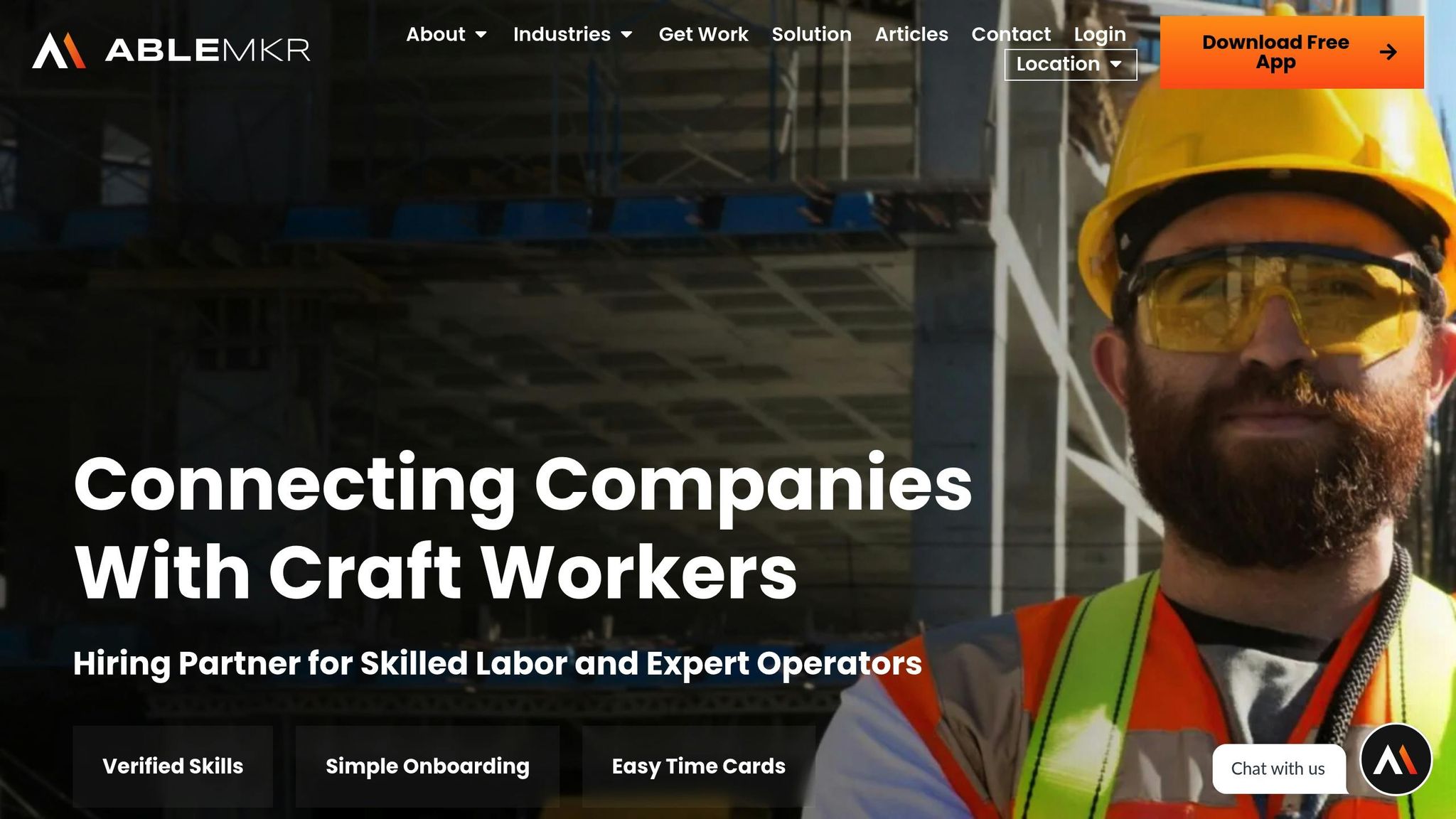
ABLEMKR takes performance ratings to the next level by maintaining verified profiles that showcase workers’ performance histories, safety records, and certifications. This makes it easy for employers to access and recognize achievements.
The platform’s automated job-matching feature connects workers with opportunities tailored to their skills and career aspirations. Instead of aimlessly searching for the right position, workers are matched with projects that value their expertise. This targeted approach not only helps them build on their existing strengths but also encourages exploration of new career avenues.
Employers also benefit from real-time visibility into worker performance, enabling them to make informed decisions about promotions and leadership roles. With detailed performance data at hand, supervisors are more likely to identify and reward workers who are ready to take on greater responsibilities. This creates clear, structured paths for advancement that traditional systems often lack.
Additionally, ABLEMKR supports career development with its transparent cost structure and flexible scheduling. Workers can pursue additional training or certifications without compromising their income, knowing that their new skills will be accurately reflected in their profiles and ratings. This blend of professional growth and financial stability ensures that workers can continue advancing their careers with confidence.
How Ratings Affect Pay and Worker Retention
Performance ratings are now more than just a tool for evaluation – they’re reshaping how workers in the construction and energy sectors are compensated and retained. By directly linking ratings to pay, employers are creating a system where achievements translate into financial rewards, influencing everything from daily wages to long-term earning potential.
Performance-Based Pay Systems
Merit-based pay systems tie compensation directly to verified performance scores. Workers with top ratings can earn premium wages, alongside bonuses and enhanced benefits like health insurance, paid time off, and special allowances. These incentives encourage consistent excellence, as higher safety and project scores lead to tangible rewards.
A strong track record doesn’t just impact pay – it also boosts a worker’s negotiating power. Employees with verified high performance may secure better shift schedules, guaranteed hours, or enhanced overtime rates. This documented evidence of value gives workers more leverage when discussing contract terms.
Platforms like ABLEMKR take this a step further by maintaining a detailed record of a worker’s performance history. This portability means workers don’t have to start from scratch with every new employer. Instead, they bring their proven achievements to the table, opening doors to better pay and opportunities across multiple job sites.
Ratings and Employee Retention
Fair and transparent rating systems can significantly improve worker retention by fostering trust between employers and employees. When workers clearly understand how their performance is measured and see a direct link between their efforts and career progression, they’re more likely to stay with their employer over the long haul.
Transparent metrics eliminate confusion, clarify expectations, and enhance job satisfaction. Workers feel more secure when they know exactly how they’re being evaluated and rewarded.
Recognition also plays a big role. When achievements are formally acknowledged, employees feel valued and validated. Add in the financial stability that comes with consistent performance-based rewards, and the appeal of staying with a current employer grows stronger.
ABLEMKR further supports retention by giving workers portable performance records that build value over time. This encourages a focus on sustained success rather than short-term results, benefiting both workers and employers. These clear metrics not only secure current roles but also highlight areas for growth, paving the way for targeted skill development.
Using Feedback for Professional Development
Beyond financial rewards, continuous feedback from rating systems helps workers refine their skills and advance their careers. These systems provide actionable insights – like identifying a worker excelling in welding but needing improvement in project documentation – offering clear guidance for skill enhancement.
One major advantage of this approach is the immediacy of feedback. Instead of waiting for an annual review, workers receive timely updates, allowing them to make adjustments right away. This ongoing feedback loop accelerates skill development and prevents bad habits from taking root.
sbb-itb-aa28329
Best Practices for Rating Systems
Creating a performance rating system that works well takes more than just tracking numbers. In industries like construction and energy, the best systems combine clear standards with processes that employees trust and understand. When done correctly, these systems can become valuable tools for growing both careers and businesses.
Key Features of Effective Rating Systems
Clear and measurable criteria are at the heart of any successful rating system. Focus on metrics that are easy to quantify, like safety compliance, project deadlines, quality of work, and technical skills. These provide actionable data that both employees and supervisors can rely on.
Real-time tracking is a must in today’s fast-moving workplaces. Annual reviews just don’t cut it when projects evolve quickly, and safety protocols shift often. Modern systems offer instant feedback, allowing small issues to be addressed before they grow into larger problems.
Consistency across evaluators is critical for fairness. If supervisors use different standards, employees lose trust in the system. Standardized forms, regular calibration sessions, and clear documentation ensure everyone is on the same page.
Transparency in the process helps workers understand exactly how they’re being evaluated and what they need to improve. The best systems allow employees to access their performance data and see how ratings are calculated. This openness minimizes disputes and empowers workers to take charge of their development.
Regular feedback keeps the system dynamic. Workers should know how they’re doing well before formal evaluations and have opportunities to share their thoughts on the process. This two-way dialogue helps refine the system and ensures it stays aligned with job realities.
By incorporating these features, rating systems can deliver fair assessments that benefit both employees and organizations.
How ABLEMKR Ensures Fair Ratings
ABLEMKR has taken a thoughtful approach to performance ratings by focusing on verified worker profiles. These profiles compile detailed records across various job sites and employers, including safety certifications, project completions, and other key metrics. The result? A comprehensive view of each worker’s skills and performance history.
The platform’s immediate performance tracking ensures that both workers and employers can monitor progress in real time. Instead of waiting for end-of-project reviews, users can make adjustments daily. This ongoing feedback helps resolve issues early and keeps workers engaged in their growth.
Automated job matching is another standout feature. By relying on verified performance data, ABLEMKR removes personal bias from the hiring process. Workers are matched to jobs based on their documented skills, safety records, and past performance, creating fairer opportunities while helping employers find the right fit for their needs.
Integrated compliance tracking simplifies the process of meeting industry standards and regulatory requirements. This not only reduces the administrative load for employers but also ensures workers are evaluated fairly and consistently.
Perhaps most importantly, ABLEMKR allows workers to carry their verified performance records across jobs. This portability supports long-term career growth and gives workers more negotiating power when discussing pay and opportunities.
By blending fairness with smart technology, ABLEMKR naturally supports ongoing training and development efforts.
Using Ratings for Training and Development
Fair rating systems don’t just evaluate performance – they also guide skill development and career growth. When used effectively, performance data can pinpoint areas where workers need support and help drive meaningful improvements.
Skills gap analysis is a powerful tool for identifying specific needs. For instance, a welder might excel at basic techniques but struggle with specialized tasks like high-pressure applications. This targeted feedback allows companies to focus training on areas that matter most, rather than offering generic programs.
Customized development paths are another benefit of detailed performance data. For example, a worker with strong technical abilities but lower safety scores could focus on safety training, while someone with excellent safety records but slower project times might benefit from efficiency coaching. Tailored training keeps workers engaged and maximizes results.
Progress tracking through ongoing ratings helps measure whether training programs are effective. Companies can see if specific initiatives improve performance scores, allowing them to refine their approach and invest in what works best.
Career pathway planning is another way ratings can be used. By showing workers how their current performance aligns with the requirements for promotions or specialized roles, companies can help employees make informed decisions about their futures.
Finally, companies can use rating data to develop mentorship programs. Pairing top performers with those looking to improve creates opportunities for peer-to-peer learning while strengthening team dynamics. This approach not only boosts individual skills but also enhances overall performance across the organization.
Challenges and Limitations of Performance Ratings
Performance ratings can be a powerful tool for career development, but they’re not without their challenges. Even the best-designed systems can fall short, leading to issues that undermine fairness, trust, and their overall effectiveness. Below, we’ll explore some common pitfalls, strategies to minimize risks, and ways to ensure morale remains intact while using these systems.
Common Problems with Rating Systems
Supervisor bias can distort ratings based on personal preferences or subjective judgments. For instance, a manager might consistently favor employees they personally like, even if others perform just as well – or better. This creates unfair advantages unrelated to actual performance.
Inconsistent standards across supervisors can lead to confusion and frustration. One manager might consider a task completed in eight hours as exceptional, while another expects the same task done in six. These varying benchmarks make it hard for employees to understand what’s expected of them and can spark disputes over evaluations.
Recency bias is another issue, where recent events overshadow an employee’s long-term performance. For example, a worker who excels all year but makes a mistake right before their review might receive an unfairly low score, ignoring their overall contributions.
Fear of confrontation often causes managers to inflate ratings rather than address performance issues head-on. This "grade inflation" hides real problems, making it harder to identify areas for improvement and demotivating top performers who see little distinction in ratings.
Limited feedback leaves employees in the dark about their performance. Without clear explanations, they don’t know how to improve, and the rating system fails to drive meaningful growth.
Gaming the system is another concern. Employees may manipulate metrics to appear more productive without actually improving. For example, they might focus on speed at the expense of quality or prioritize easier tasks to boost their scores.
These challenges highlight the importance of implementing safeguards to ensure fairness and effectiveness.
Reducing Risks in Rating Systems
To address these problems, organizations can adopt several strategies:
- Incorporate multiple evaluators: Collect feedback from various sources – supervisors, peers, and even clients when appropriate. This 360-degree approach reduces the impact of individual bias and provides a more balanced view of performance.
- Use standardized criteria: Replace vague categories like "teamwork" with measurable behaviors, such as "participates in weekly team meetings" or "responds to client inquiries within 24 hours." Clear benchmarks ensure consistency across evaluators.
- Hold regular calibration sessions: Bring supervisors together to align on rating standards. Reviewing sample evaluations and discussing expectations helps maintain consistency. Many companies conduct these sessions quarterly to fine-tune their systems.
- Require documented examples: Ask evaluators to back up their ratings with specific instances. This not only curbs bias but also gives employees actionable feedback and creates a record for transparency.
- Set up a clear appeal process: Employees should have a straightforward way to challenge ratings they believe are unfair. Independent review panels can help ensure these processes are perceived as fair and accessible.
- Leverage data analytics: Use technology to identify patterns of bias or inconsistency. For example, if one manager consistently rates employees lower than others, or if certain groups receive lower scores, these trends can be flagged for review.
- Provide evaluator training: Teach supervisors how to apply rating criteria fairly, avoid unconscious bias, and deliver constructive feedback. Proper training builds trust in the system and ensures evaluations are more accurate.
Balancing Ratings with Worker Morale
Performance ratings can be stressful, but they don’t have to harm morale. Here are ways to keep employees engaged and motivated:
- Focus on development, not punishment: Frame ratings as opportunities for growth. When employees see evaluations as tools to help them improve, they’re more likely to embrace the process.
- Celebrate progress: Recognize improvements alongside overall performance. For example, acknowledging an employee who raises their safety compliance from 70% to 85% can be just as meaningful as praising someone with a steady 95%.
- Show the connection to career growth: Help employees understand how ratings impact promotions, training opportunities, or project assignments. When the system feels tied to their future, they’re more likely to see it as valuable.
- Encourage regular check-ins: Frequent conversations about performance prevent surprises during formal evaluations. These ongoing discussions give employees a chance to address issues early and stay on track.
- Recognize diverse contributions: Go beyond standard metrics to value teamwork, creativity, or mentorship. Acknowledging these contributions fosters a positive, collaborative workplace.
- Allow flexible rating categories: Not everyone excels in the same way. A system that values both steady performers and innovative problem-solvers ensures employees feel appreciated for their unique strengths.
Do Ratings Actually Drive Career Growth?
Yes, performance ratings can significantly impact career advancement – when they’re applied fairly and transparently. Their success largely hinges on how organizations design and implement these systems.
Ratings play a major role in shaping promotions, pay raises, and professional growth opportunities. Companies rely on performance evaluations to distinguish between employees, making these assessments a direct link to financial and career advancement. When done right, ratings create a clear connection between individual contributions and professional progress.
Key Lessons for Employers and Workers
For employers, the most effective rating systems focus on development rather than punishment. Modern performance management has shifted from emphasizing accountability to prioritizing learning and growth. This approach reflects a deeper understanding of what drives employees to excel. Companies embracing this philosophy often see higher engagement and better retention rates.
The traditional annual review is becoming a thing of the past. Over a third of U.S. companies have moved away from these outdated practices. Instead, many forward-thinking organizations now rely on frequent feedback systems that provide immediate value to employees.
"Supervisors were giving people instant feedback, tying it to individuals’ own goals, and handing out small weekly bonuses to employees they saw doing good things", explained Peter Cappelli and Anna Tavis from the Wharton School and New York University, respectively.
For workers, performance ratings serve as a documented record of your professional growth. They directly impact pay, development opportunities, and career pathways. Engaging proactively with the rating process is essential: request regular feedback, keep track of your achievements, and use performance discussions to align your goals with your organization’s objectives. Viewing ratings as tools for collaboration rather than judgment can lead to better outcomes in your career.
These lessons pave the way for technology-driven solutions that are reshaping how ratings influence career growth.
Technology’s Role in Ratings and Career Growth
Technology is now amplifying the effectiveness of performance ratings. Digital tools can minimize bias, standardize evaluation criteria, and deliver real-time feedback, making ratings more actionable and meaningful for career development.
Take ABLEMKR, for example, a platform designed for the construction and energy industries. It offers verified worker profiles that create transparent performance records, which follow workers across various projects and employers. This feature ensures consistent and portable documentation of skills and achievements.
ABLEMKR essentially builds a digital career portfolio, showcasing your expertise, reliability, and verified performance. This transparency allows skilled workers to negotiate better pay rates and access higher-quality projects, leveraging their performance history to accelerate career growth.
For employers, ABLEMKR provides workforce management tools that offer data-driven insights into team performance and project success. These insights help identify top performers, inform hiring decisions, and allocate resources more effectively.
With mobile accessibility, the platform ensures that performance feedback and career opportunities are always within reach. This aligns with the industry’s shift toward real-time feedback systems, which are proving to enhance both individual and team performance.
Platforms like ABLEMKR show that when performance ratings are transparent, consistent, and tied to real opportunities, they transform into powerful tools for career growth rather than just another layer of bureaucracy.
FAQs
How can workers make sure their performance ratings support career growth?
To make sure your performance ratings accurately showcase your efforts and support your career growth, prioritize open communication and a mindset of ongoing improvement. Regularly seek feedback from your supervisors and coworkers to get a clear picture of how you’re doing and where there’s room to grow.
Take that feedback and turn it into actionable steps by pinpointing areas for development and crafting a solid plan to tackle them. By showing that you’re committed to getting better, you not only enhance your ratings but also highlight your dedication to growing professionally – making yourself stand out for future opportunities.
How can employers reduce bias and ensure fairness in performance reviews?
Employers can take meaningful steps to minimize bias and ensure fairness in performance reviews by introducing unconscious bias training for managers and adopting standardized evaluation criteria. Structured tools, such as rubrics and calibration meetings, play a key role in promoting consistency and objectivity across assessments.
Involving feedback from various sources and establishing clear, measurable performance benchmarks can further enhance the fairness of the process. To maintain transparency and alignment with company values, it’s essential to regularly review and refine the evaluation system.
How can technology, like ABLEMKR, improve performance ratings and support career growth?
Technology like ABLEMKR is transforming how performance is measured by providing data-driven insights and real-time tracking of employee activities. This allows employers to evaluate key factors such as safety records, certifications, and productivity with greater accuracy. The result? Fairer assessments that promote transparency and foster professional development.
Beyond performance tracking, ABLEMKR’s workforce management tools simplify scheduling, pinpoint skill gaps, and create opportunities for cross-training. These capabilities not only improve operational efficiency but also empower workers to build new skills, grow in their roles, and work toward long-term career success.


