
Integrated safety systems are transforming how construction sites handle safety by focusing on prevention rather than reaction. These systems combine real-time monitoring, data analysis, and streamlined processes to identify and address risks before they escalate. Here’s what you need to know:
- Early Risk Detection: Advanced sensors and data analysis enable quick identification of hazards, preventing minor issues from becoming major incidents.
- Root Cause Analysis: Instead of just recording accidents, these systems investigate underlying causes, like poor training or equipment failure, to implement long-term solutions.
- Simplified Compliance: Centralized platforms automate safety reporting and ensure adherence to OSHA and other regulations, reducing manual work.
- Cost Savings: By preventing accidents and improving efficiency, companies save on injury-related expenses, downtime, and insurance costs.
- Continuous Improvement: Data-driven insights help refine training, protocols, and safety measures, ensuring ongoing progress.
Tools like ABLEMKR enhance these systems by providing real-time workforce management, ensuring workers are properly trained and assigned to the right tasks. Integrated systems not only improve safety but also streamline operations, saving time and resources while protecting workers.
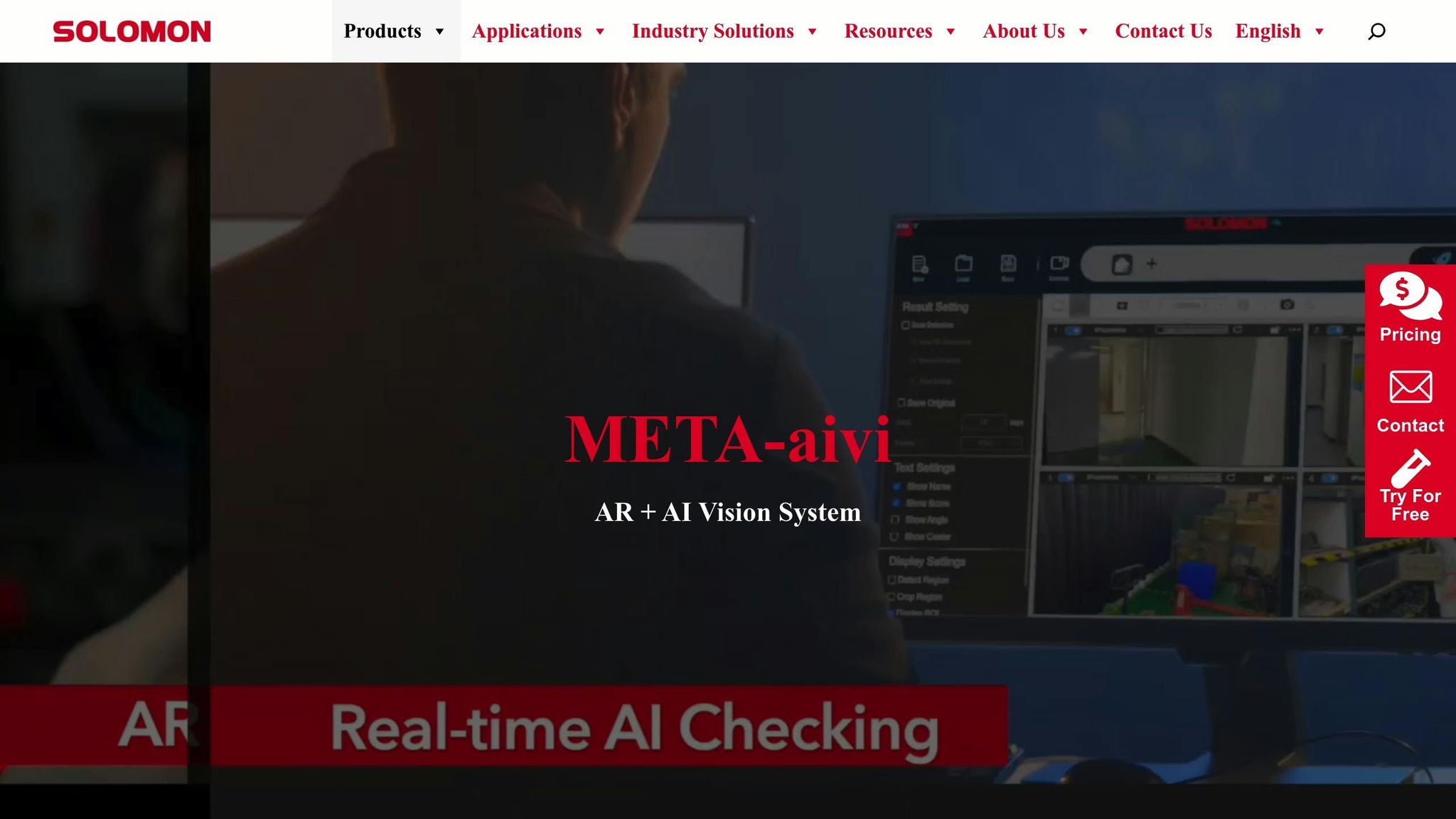
Enhancing Construction Site Safety with AR + AI | META-aivi for Construction
1. Quick Problem Spotting and Telling
Seeing safety problems fast can stop a small issue from becoming a big crash. Built-in safety setups work here, using live checks and smart warnings to spot trouble right when it starts.
These setups use new sensors and deep checks to keep an eye on safety breaks all the time, even catching small slips from usual rules. This sharp spotting cuts back on wrong alarms and makes sure real dangers get seen right away.
By checking how data moves, these setups can also see coming risks before they are fully there, letting safety crews step in soon. They don’t just wait for trouble to happen; they give the means to tackle risks head-on.
With quick spotting and set alerts, emergency steps can start very fast. This swift act not only saves lives but also helps in larger plans to spot and stop risks early.
2. Spotting Dangers Early and Stopping Them
Seeing safety risks early stops big problems from forming, and this is where teamed-up safety setups stand out. By mixing cause finding with lots of data types, these setups can find and handle risks sooner. This way also lets us use smart guessing to look ahead and stop possible dangers.
Smart guessing looks at safety data trends to spot risks before they turn bad. Think of it as a weather check for work safety – looking at old trends and patterns to give clear signs. These setups check things like tool care times, how tired workers are, the work setting, and the time plans to find worries.
For instance, if data shows that tool breaks go up when there’s no timely care, or that workers get hurt more when they work too much, the system can mark these as risky spots. Also, lots of close calls on certain jobs might tell us to be more careful. With this info, safety heads can change things – maybe fix work hours, train more, or set tighter safety steps – before issues happen.
This getting ahead way changes how we keep construction safe. Rather than waiting for a hurt to occur, teams can move while risks are still small. Whether it’s giving out more safety gear or tuning up steps, these early moves can help a lot.
Dealing with risks early isn’t just safer – it also saves money. Stopping accidents cuts costs tied to hurts, fixing tools, work delays, and even fines. Plus, workers feel safer knowing dangers are dealt with early.
For firms using workforce managing tools like ABLEMKR, these early signs are even more key. When managing teams with different skills and pasts, having setups that can guess and stop safety issues means everyone can get home safe at day’s end.
3. Easy Rules and Staying in Line
One system makes it easy to handle tough safety rules. Keeping up with many safety rules might seem too much, especially when you have a lot to follow. These systems make it easier by putting all the tasks about staying right with rules in one main spot. So, when OSHA wants a report or you need to show you follow many rules, all your needed stuff is easy to reach.
Here, making things work on their own is key. Instead of writing down every safety step by hand, these systems do the record-keeping for you. They track and write down what you do, making sure each part meets the rules. Some setups also have tools that check safety on the spot and help manage staying right with rules, which cuts down chances of mistakes and makes following rules smoother.
Also, these platforms mix rules from groups like ISO, OSHA, and FDA into one flow. This way, one check can look at many needs, which means less writing the same stuff over and over and a lot less work.
For building teams using tools like ABLEMKR, this simple way to keep right with rules changes the game. Running a mix of workers gets easier when safety rules are always applied through making things automatic. Less time on papers gives more time to make safety better. People checking on things also win from having all info in one spot, making checks faster and building stronger ties with rule groups. This focused, automatic way not only makes following rules simpler but also boosts overall safety with smart info.
sbb-itb-aa28329
4. More Work Done, Less Money Spent
Joined safety setups fit stuff quick, keeping work right and cuts wait times. By making data move smooth, these setups help see and fix issues fast, which means less time lost.
Look at auto warnings, for example. They let teams fix stuff like gas leaks or broken gear during work hours, skipping the cost of rush help.
Seeing data clear is a big win too. It lets you use folk and gear right, where they need to be. This sharp use cuts waste in time and stuff.
Good, steady reports also boost work well and build a strong safety feel. Safe work logs can make insurance cost less. Insurers like great safety care, and clean, right data at review times can show a firm’s work to cut risks, maybe dropping what they pay for insurance.
For groups using tools like ABLEMKR, the pluses are bigger. Joined safety setups make managing different teams easier. Auto safety steps let bosses focus on early teaching not just endless forms. The end? More gets done and less goes wrong.
This smooth join keeps work on time, letting bosses change things and put folk and stuff where needed early to beat coming problems.
5. Data-Driven Continuous Improvement
Building on the proactive strategies already discussed, data-driven continuous improvement ensures safety practices adapt to new and emerging risks. By effectively using data, organizations can transform safety reports into meaningful improvements. Integrated safety systems gather detailed incident data, giving decision-makers the tools they need to fine-tune training, protocols, and on-site practices.
This data forms the backbone for advanced analytics, which can uncover deeper trends and patterns. For example, integrated systems can use AI to analyze safety reports, identifying subtle risks that might otherwise go unnoticed.
"AI-driven analytics can identify knowledge gaps and trends, allowing organizations to continually refine their training programs."
- Simple But Needed
With these insights, continuous feedback loops can drive targeted changes. Data-driven feedback ensures training is tailored to actual on-site risks, while real-time feedback allows for immediate adjustments in behavior, creating an ongoing cycle of improvement.
The results of these strategies can be transformative. Consider Missouri’s Normandy Schools, where effective data usage led to an 81% reduction in suspensions. Similarly, construction sites can achieve significant safety improvements by adopting integrated systems like ABLEMKR. For instance, the CENTEGIX Safety Platform analyzed data from over 265,000 incidents, enabling staff to intervene early and prevent issues from escalating.
Construction companies using ABLEMKR report similar benefits. When safety data flows seamlessly across job sites and teams, managers can quickly identify workers who need extra training or pinpoint locations with exemplary safety records. This kind of streamlined information sharing allows companies to allocate talent effectively and spread best practices across their workforce.
"Districts are leveraging alert data to reduce suspensions, optimize staffing, deploy resources, guide professional development, and build community trust."
- CENTEGIX
Data-driven strategies also allow for small yet impactful changes. Adjusting work schedules to avoid peak incident times or rearranging equipment based on near-miss reports are just a couple of examples. These incremental improvements enhance safety without requiring a complete system overhaul. As new risks emerge and regulations shift, continuous data analysis ensures training and procedures stay relevant, keeping safety programs effective and up-to-date.
Comparison Table
Integrated safety systems bring measurable advantages that make them a worthwhile investment.
Direct and Indirect Benefits of Integrated Systems
These systems go beyond simply meeting compliance standards, offering tangible benefits across various performance areas. Here’s a breakdown based on industry research:
| Benefit Category | Direct Benefits | Indirect Benefits | Measurable Impact |
|---|---|---|---|
| Financial Returns | Lower injury-related expenses | Overall savings through improved safety | $4–$6 saved for every $1 invested in workplace safety |
| Incident Reduction | Fewer injury claims | Promotes proactive hazard management | 52% decrease in average injury claims |
| Operational Efficiency | Faster hazard reporting and resolution | Reduced downtime due to streamlined processes | 87% reduction in lost time per claim |
| Safety Culture | Shift from reactive to proactive safety measures | Embedding safety into daily routines | Encourages proactive risk management |
| Data Utilization | Consolidation of key safety indicators | Enables data-driven decisions | Operational benchmarks based on leading indicators |
These financial and operational improvements highlight the clear value of integrated safety systems. To further illustrate their impact, let’s compare integrated systems with standalone solutions.
Standalone Systems vs. Integrated Systems
The following table outlines how integrated safety systems outperform standalone systems in critical performance areas:
| Performance Factor | Standalone Systems | Integrated Systems | Key Difference |
|---|---|---|---|
| Risk Detection | Reactive response to incidents | Proactive hazard identification | Integrated systems anticipate risks |
| Data Management | Disconnected reporting across departments | Centralized data with cross-system visibility | Tracks safety metrics across all sub-systems |
| Technology Support | Limited integration of tools | Unified risk assessment and safety tools | Improves hazard detection and resolution |
| Cultural Impact | Focused on compliance | Embeds safety as a core organizational value | Shifts from compliance to proactive safety |
| Resource Efficiency | Manual processes with duplicated efforts | Automated workflows with unified reporting | Cuts administrative tasks and speeds response |
One standout example is ABLEMKR, a platform that centralizes safety data across job sites and teams. With ABLEMKR, managers can quickly identify workers who need additional training or pinpoint locations with exemplary safety records. This kind of integration accelerates decision-making and enhances overall safety operations.
As construction projects become more complex, integrated systems – paired with risk assessment and safety management software – simplify the entire safety process. From identifying hazards to resolving incidents, these systems ensure every phase of safety management is efficient and thorough.
Conclusion
Combining root cause analysis with safety management systems shifts construction safety from being merely reactive to a more proactive, results-driven approach. Companies that adopt these systems often experience reduced disruptions from incidents and better control over costs.
By consolidating safety data, these systems allow for quicker hazard identification and more precise prevention strategies. Instead of juggling disconnected safety processes, an integrated system weaves safety seamlessly into daily operations. This cohesive approach not only strengthens safety practices but also sets the stage for broader improvements in how teams operate and collaborate.
The advantages go far beyond just meeting compliance requirements. Features like automated workflows, centralized reporting, and actionable insights from data help safeguard workers while streamlining project timelines and cutting down on safety-related expenses.
These benefits are further amplified by modern staffing platforms. For example, platforms like ABLEMKR match workers with verified profiles to job requirements, ensuring they have the right safety training and are placed appropriately on projects.
FAQs
How do integrated safety systems help reduce accidents on construction sites?
Integrated safety systems are essential for improving safety on construction sites. They provide real-time insights into potential hazards, allowing teams to take swift, proactive action to mitigate risks. With these systems, incident reporting and analysis become more efficient, enabling teams to spot dangers before they lead to accidents.
One key feature is root cause analysis, which goes beyond surface-level issues to uncover deeper problems like equipment malfunctions or unsafe practices. This process delivers actionable steps to prevent similar incidents down the road. By combining immediate hazard management with strategies for long-term safety, these systems help create a safer workplace and significantly reduce the likelihood of injuries.
How does data analysis improve the performance of integrated safety systems?
Data analysis is a game-changer for improving integrated safety systems on construction sites. By digging into patterns and trends, it helps predict potential risks and spot hazards before they lead to accidents. This proactive approach allows safety managers to take action early, fostering a safer work environment for everyone.
Beyond just preventing accidents, data-driven insights empower teams to make smarter decisions. They can prioritize resources where they’re needed most – targeting high-risk areas. The result? Enhanced site safety, fewer delays, and lower operational costs, all while keeping projects on schedule and within budget.
How can platforms like ABLEMKR help improve safety compliance and management in construction?
Platforms like ABLEMKR play a key role in improving safety compliance and management in the construction industry. They connect construction companies with skilled, certified workers, ensuring that safety standards are consistently upheld. By offering access to verified worker profiles, these platforms help companies avoid the risks associated with hiring unqualified personnel, which can lead to safety violations.
Beyond matching companies with qualified workers, ABLEMKR provides tools like real-time communication and workforce management features. These enable companies to quickly address incidents and enforce safety protocols more effectively. The platform also emphasizes proactive safety measures by ensuring workers have up-to-date training and certifications. This approach helps reduce risks and supports the development of a strong safety culture across construction sites.


