
Industries like construction and energy face a major challenge: retaining skilled workers. High turnover, safety concerns, and the rising costs of replacing workers (up to $40,000 per person) are putting pressure on companies. AI tools are stepping in to help by improving scheduling, enhancing safety, spotting disengagement early, and simplifying payroll and compliance processes.
Key insights:
- AI scheduling tools align shifts with worker preferences, reducing burnout.
- Predictive analytics identify skill gaps and recommend tailored training.
- Safety monitoring systems cut workplace incidents by up to 50%.
- Automated payroll systems ensure timely, error-free payments, building trust.
AI-powered platforms like ABLEMKR, Shiftboard, Procore, Eightfold AI, and others are helping companies reduce turnover, improve safety, and streamline operations. These tools provide practical solutions for industries struggling to retain their workforce.
How to Use Predictive Analytics for Employee Retention
sbb-itb-aa28329
AI-Powered Workforce Scheduling and Flexibility
In industries like construction and energy, unpredictable schedules and rigid shifts often push workers to leave, as they struggle to balance their personal lives with erratic hours. AI-powered scheduling tools tackle this issue by aligning work shifts with each employee’s preferences and availability. This approach creates both predictability and flexibility, which are essential for retaining skilled workers.
"AI can optimize workforce scheduling to align shifts with employee preferences and availability. In turn, this helps reduce burnout and promotes a healthy work-life balance, which is critical for long-term talent retention." – CMiC Global
By using predictive analytics, AI can forecast staffing needs, enabling companies to plan ahead and avoid overworking their teams. This proactive approach helps prevent burnout and keeps employees engaged.
AI also simplifies repetitive scheduling tasks, lightening the load on managers and giving them more time to focus on strategic goals. The 70/30 rule often applies here: AI handles 70% of data-driven scheduling tasks, while human managers provide the necessary context and oversight. This collaboration reduces scheduling conflicts and prevents uneven workloads, two common reasons employees leave their roles. Additionally, with 74% of workers open to roles that offer development opportunities, AI-driven scheduling can carve out time for training, further increasing retention. This streamlined process ensures efficient resource allocation across multiple job sites.
Beyond scheduling, AI-powered resource allocation ensures that the right workers – those with the proper certifications and skills – are assigned to the appropriate tasks. This is particularly important in high-risk industries, where mismatched assignments can lead to safety issues and, ultimately, higher turnover rates.
Predictive Analytics for Career Development and Skill Matching
AI-powered predictive analytics is transforming how skill gaps are identified and addressed in industries like construction and energy. Instead of relying on outdated job titles or static job descriptions, AI algorithms analyze resumes, performance reviews, and historical project data to evaluate a worker’s capabilities. This enables organizations to match employees to roles where they can excel and grow, aligning career ambitions with project needs. By focusing on personal growth alongside operational efficiency, predictive analytics strengthens workforce retention strategies while complementing scheduling and safety initiatives.
Advanced AI tools take this a step further with features like "skills graphing" and "role similarity scoring." These tools quantify how a worker’s current abilities align with a target role. For example, an AI system might indicate a 78% match while identifying specific skills needed to close the gap. Once these gaps are flagged, the platform recommends tailored learning paths, adapting to each worker’s experience level and preferred learning style.
On construction sites, the integration of AI-powered cameras and wearables adds another layer of insight. These tools can detect technical errors that signal skill gaps, prompting immediate training interventions. Some companies using this proactive approach have reported reductions in workplace incidents by 40% to 50%. This shift from reactive to proactive training ensures workers develop the necessary skills before problems arise, keeping employees engaged and capable.
"To empower our employees, we need insights, and for that, Moveworks’ AI is the backbone".
Real-Time Safety Monitoring and Risk Reduction
AI-powered safety systems are making workplaces safer, particularly in high-risk industries like construction and energy. In 2023, the U.S. construction sector reported 1,075 fatal occupational injuries – accounting for over 20% of all worker deaths. By adopting real-time monitoring technologies, companies not only prioritize worker safety but also enhance employee retention. Advanced tools, such as imaging systems, are now actively preventing safety violations before they happen.
Computer vision systems installed at job sites analyze live video feeds to identify issues like PPE (Personal Protective Equipment) violations, unauthorized entries, and hazards such as missing guardrails or suspended loads. Platforms like Pelco and EarthCam continuously scan worksites, flagging potential dangers before they escalate. For example, one AI-driven PPE detection system improved compliance rates from 78% to 96% over 18 months. Similarly, DroneDeploy‘s Safety AI uses aerial scans to identify OSHA violations with an impressive 95% accuracy rate.
Adding to this, smart wearables provide personalized safety monitoring by tracking worker health metrics. Devices like SmartCap headbands detect microsleep, while HeadgearX helmets monitor heart rate and skin temperature, sending instant haptic alerts to prevent incidents related to fatigue or heat stress. Considering construction-related injuries and fatalities cost an estimated $11.5 billion annually, the case for these technologies is both financial and human.
Proximity detection systems, combined with predictive risk models, take safety a step further by alerting workers and operators when safe distances are breached. These systems also analyze historical data, weather patterns, and project schedules to flag high-risk periods, enabling managers to adjust tasks or supervision levels to avoid accidents. Dan Davidson, Sr. Product Manager at Vector EHS, emphasizes the importance of tailoring AI tools to meet specific organizational safety and compliance goals:
"It’s important to select AI tools that align with your organization’s specific needs and goals in safety and compliance management".
These advanced measures not only reduce risks but also foster trust among workers – an essential factor in retaining skilled labor. Policies that focus on using AI data to correct hazards rather than discipline individuals further reinforce this trust. Workers are more likely to embrace safety technologies when they see them as tools for support rather than surveillance.
Automated Payroll and Compliance Management
When paychecks are delayed or incorrect, trust erodes – especially in industries like construction and energy, where workers frequently shift between projects. Payroll mistakes not only frustrate employees but also risk driving skilled labor away. Automation is stepping in to solve these issues, ensuring smoother compliance and error-free payments.
Modern AI systems play a key role by validating time entries and flagging anomalies. Mobile capture tools allow workers to log hours directly against job codes, cutting down on delays and errors. This means companies can now process payments in hours rather than days. For instance, Access Coins Evo validates entries in real time, enabling rapid and accurate payroll processing.
The cost of sticking to manual processes is steep. Estimates show that errors caused by miscommunication and manual data handling can eat up 10% to 25% of project revenue. Back-office AI tools help mitigate these losses by automating tasks like bank reconciliations, invoice processing, and month-end closes.
AI also simplifies compliance management. It monitors project data to flag missing logs, budget issues, or regulatory risks in real time. Automated approval workflows with built-in audit trails minimize payment delays, while real-time dashboards highlight potential overruns before they disrupt payroll cycles. For companies managing teams across multiple sites – especially in regions like energy corridors where workers may cross state lines – integrated compliance tracking significantly reduces the administrative burden on HR and finance teams. This streamlined approach not only saves time but also helps retain skilled workers who expect timely and accurate payroll services.
By speeding up payroll and ensuring reliability, AI fosters trust and boosts worker retention. As one industry expert aptly described it:
"Think of AI in construction like adding a high-tech power tool to a toolbox. It doesn’t replace the tradesperson, it helps them work smarter, faster, and safer".
1. ABLEMKR
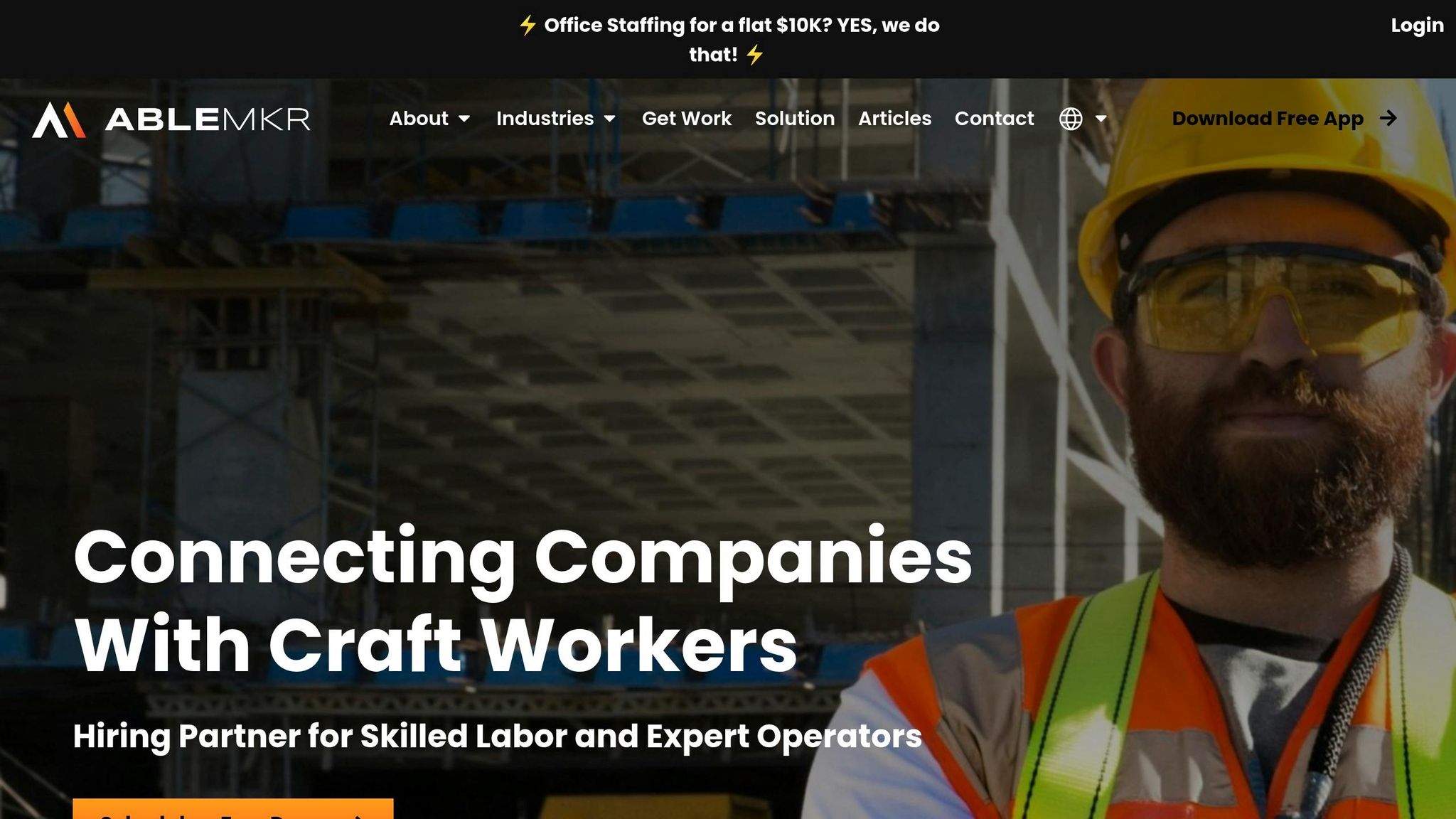
ABLEMKR is a mobile-first workforce deployment platform tailored for industries like construction, oil & gas, mining, utilities, and heavy infrastructure. It connects pre-vetted skilled workers to critical projects across the U.S., handling everything from hiring and onboarding to compliance tracking and payroll.
Using AI to assess certifications, safety training, availability, and location, the platform identifies candidates most likely to succeed and stay on the job, helping reduce turnover. By prioritizing skills-based screening over specific job titles or demographics, ABLEMKR expands the talent pool and encourages diversity in fields that have traditionally been male-dominated.
For employers managing teams across energy corridors or remote sites, ABLEMKR offers real-time insights into worker status, payroll integration, and built-in compliance tools. Workers, on the other hand, gain access to flexible, well-paying jobs with guaranteed on-time payments – a key factor in retaining trust in industries where delayed paychecks often lead to dissatisfaction. Considering that replacing a single skilled frontline worker can cost up to $40,000, these features deliver tangible savings.
The platform also integrates real-time safety monitoring with streamlined scheduling, addressing burnout and improving work-life balance. This focus on safety and scheduling builds trust with workers while aligning shifts to their preferences, reducing turnover in physically demanding roles.
Whether it’s mobilizing crews for a sudden shutdown, repairing remote pipelines, or supporting planned mine development, ABLEMKR ensures operators can quickly deploy the right workers without the usual logistical headaches in high-risk industries.
With ABLEMKR’s thorough approach to workforce deployment, the next tool continues to enhance AI-driven workforce solutions.
2. Shiftboard
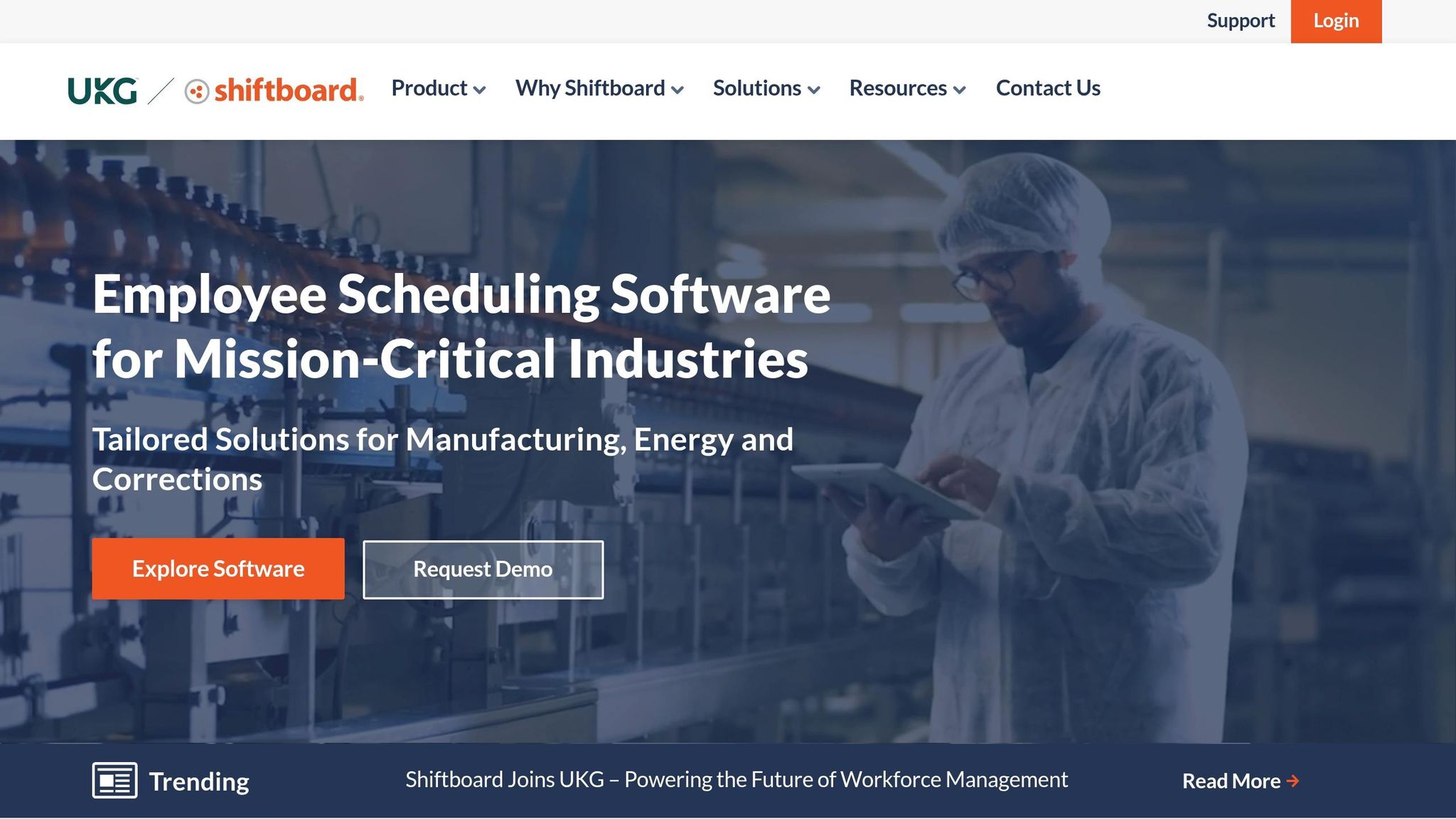
Shiftboard simplifies the challenge of managing complex shift assignments in industries like construction and energy. It does this by automating schedules based on site-specific rules, such as union agreements, internal procedures, and established shift patterns. The system also ensures compliance with employment laws, union contracts, and fatigue regulations. Workers can access their schedules through a mobile app, which allows them to pick up voluntary overtime, trade shifts, and take on on-demand assignments. Plus, it tracks individual preferences to promote a better work-life balance. These features not only streamline scheduling but also help reduce burnout and boost employee retention, as seen in real-world applications.
For example, Shell adopted Shiftboard to comply with API RP 755, the energy industry’s fatigue management standard. Under the guidance of HR Manager Larry Heasley, the implementation saved Shell an estimated $3 million while addressing critical concerns about worker safety and retention. Heasley praised the platform, saying:
"Shiftboard saved us ~$3M in costs and is a dependable solution for API RP 755 compliance. Employee scheduling was a vital concern at an executive level – they went over and above the call of duty to meet our needs."
The results speak for themselves. Companies using Shiftboard report a 16% drop in employee turnover and an impressive 86% increase in worker satisfaction. The platform also improves shift coverage rates by 88%, creates schedules 30% faster than manual methods, and cuts labor costs by 21%. By fairly distributing overtime based on factors like seniority, job classification, and past shift refusals, Shiftboard eliminates perceived favoritism – a common issue in unionized workplaces. Its "always-on optimization engine" ensures managers can fill staffing gaps without relying on costly agency workers or mandatory overtime, helping prevent burnout during high-pressure times like turnarounds or emergency responses.
3. Eightfold AI
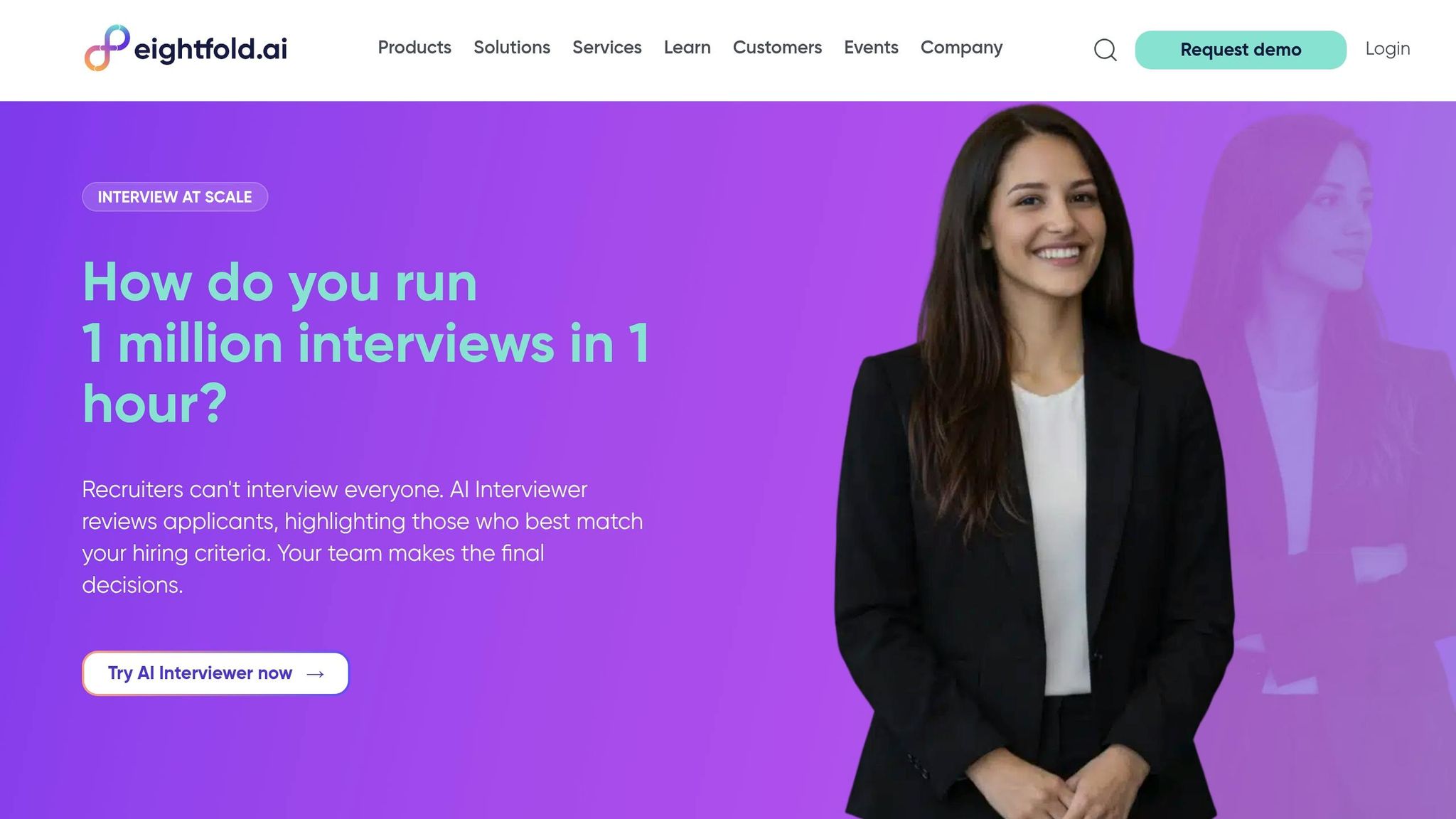
Eightfold AI tackles retention challenges by helping employees see a future within their company. Using predictive analytics based on 1.6 billion anonymized career paths and 1.6 million unique skills, the platform matches workers with roles that align with their career ambitions.
The platform’s Job Intelligence Engine evaluates your workforce’s current skills against the demands of future projects. When skill gaps are identified, it suggests targeted training, stretch assignments, or mentorship opportunities through the Eightfold Career Hub. Employees can also update their profiles with career goals, and the system automatically recommends internal roles that match their aspirations. This proactive approach strengthens employee engagement, a critical factor for retention.
Here’s a standout statistic: 94% of employees say they’d stay longer at a company that actively supports their professional growth. Eightfold AI measures an employee’s "learnability" – their potential to adapt to technological changes – and helps guide growth investments accordingly. Its dashboard analytics provide managers with insights into skill development at both individual and team levels.
For industries like construction, where projects are dynamic and skill demands shift, Eightfold’s Resource Management tools streamline staffing. Instead of relying solely on resumes, the system assesses over 50 variables to match talent based on skills, promoting fairer decisions and expanding your talent pool by recognizing transferable abilities. The platform’s effectiveness is evident in its adoption by the Department of Defense, which uses it to align personnel with mission-critical needs, proving its ability to handle large-scale, complex operations.
Integration is seamless. Eightfold connects with existing HR systems like HRIS and ATS, consolidating data on retention risk, employee sentiment, and skills into one unified framework. To get started, focus on high-impact areas such as internal mobility or performance tracking. During the first 90 days, maintain human oversight to ensure the AI’s recommendations are fair and unbiased.
4. Procore Workforce Management
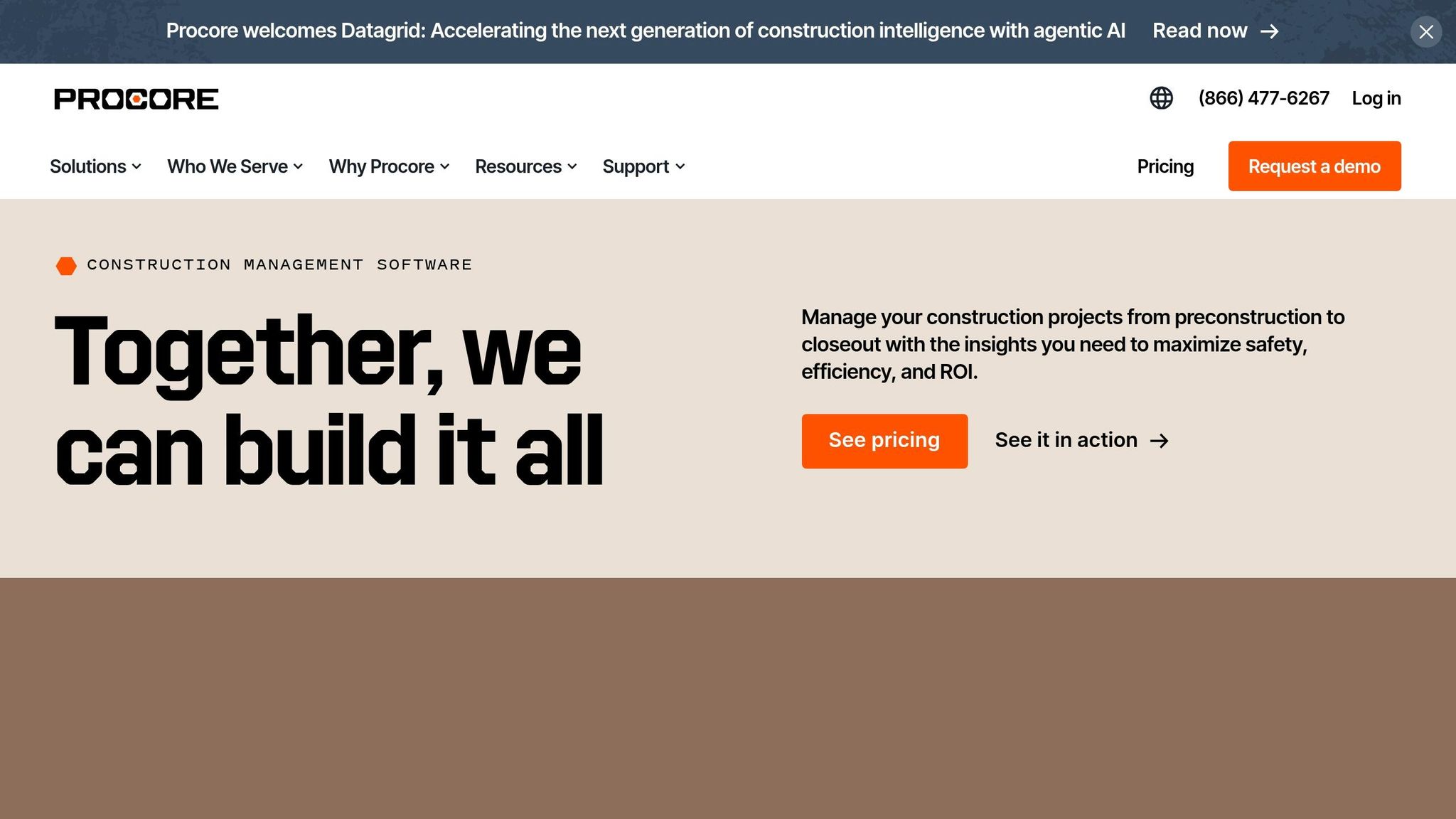
Procore Workforce Management takes workforce retention and efficiency to the next level by combining labor forecasting and resource allocation in one platform. By integrating Workforce Planning with Field Productivity, it provides real-time insights into worker locations, skill sets, and overall labor performance. Its AI-powered labor forecasting dynamically adjusts schedules, ensuring workers are matched to tasks based on their certifications. This alignment keeps both field and office teams in sync, reducing turnover and improving project flow.
Procore’s track record speaks volumes: the platform has managed over 1 million projects and tracked more than $1 trillion USD in construction volume. It also connects seamlessly with over 500 partner applications, integrating HR and ERP data for a comprehensive view of labor capacity and business operations. This connectivity eliminates the need for redundant data entry and minimizes errors caused by manual spreadsheets.
As Procore CEO Tooey Courtemanche puts it:
"Our new Procore Workforce Management solution will help our customers manage their most precious resource more effectively, their people, so they can take on more work and ultimately grow their businesses".
The platform also features advanced reporting tools that monitor productivity and labor costs in real time. These insights empower managers to make decisions that keep projects on track while maintaining a stable workforce.
Procore has earned high praise from users, boasting an impressive 4.7/5 rating from over 42,000 reviews. Its precise scheduling tools help create a predictable, well-organized work environment, which is key to retaining skilled workers.
5. Kogniz AI Safety Platform
Kogniz takes workplace safety to the next level by integrating computer vision cameras with AI-powered wearables to identify and address hazards before they lead to injuries. Using live video analysis, the system can detect missing PPE, spot fall risks, and flag unauthorized access to dangerous areas, such as zones near overhead power lines. The wearables – smart helmets, vests, and armbands – track vital signs like heart rate and skin temperature, helping to catch early signs of heat stress or physical distress. This proactive approach tackles safety risks head-on, contributing to better worker retention.
The results speak volumes. When paired with advanced wearables, Kogniz has been shown to reduce incident rates by 40% to 50%, thanks to its forward-thinking design. Over an 18-month period, the platform boosted PPE compliance from 78% to 96%. By minimizing risks and improving compliance, Kogniz not only prevents injuries but also helps foster a safer and more loyal workforce.
One standout feature is the platform’s proximity and collision avoidance system. It combines cameras, radar, and real-time location tags worn by workers to issue auditory and visual alerts when safety distances are breached between pedestrians and equipment operators. The wearables also monitor for fatigue and use accelerometers to detect sudden movements that could indicate slips or falls, enabling quick emergency responses. By identifying risks in real time, the system builds a safety-first mindset that encourages long-term workforce commitment.
Highlighting the platform’s effectiveness, an industry expert shared:
"AI technology is shifting construction safety from a reactive to a proactive model, with some companies reporting incident reductions of up to 40% to 50%." – ABC Carolinas
For successful adoption, transparency is crucial. Workers need to understand that AI data is used to identify hazards – not to monitor personal behavior. This clarity fosters trust in the system. Incorporating AI-flagged issues into toolbox talks or Monday morning meetings can further drive behavior change and make safety discussions more actionable. This thoughtful approach ensures that the technology feels supportive rather than intrusive, delivering real protection while maintaining worker confidence and trust.
6. ADP Workforce Now
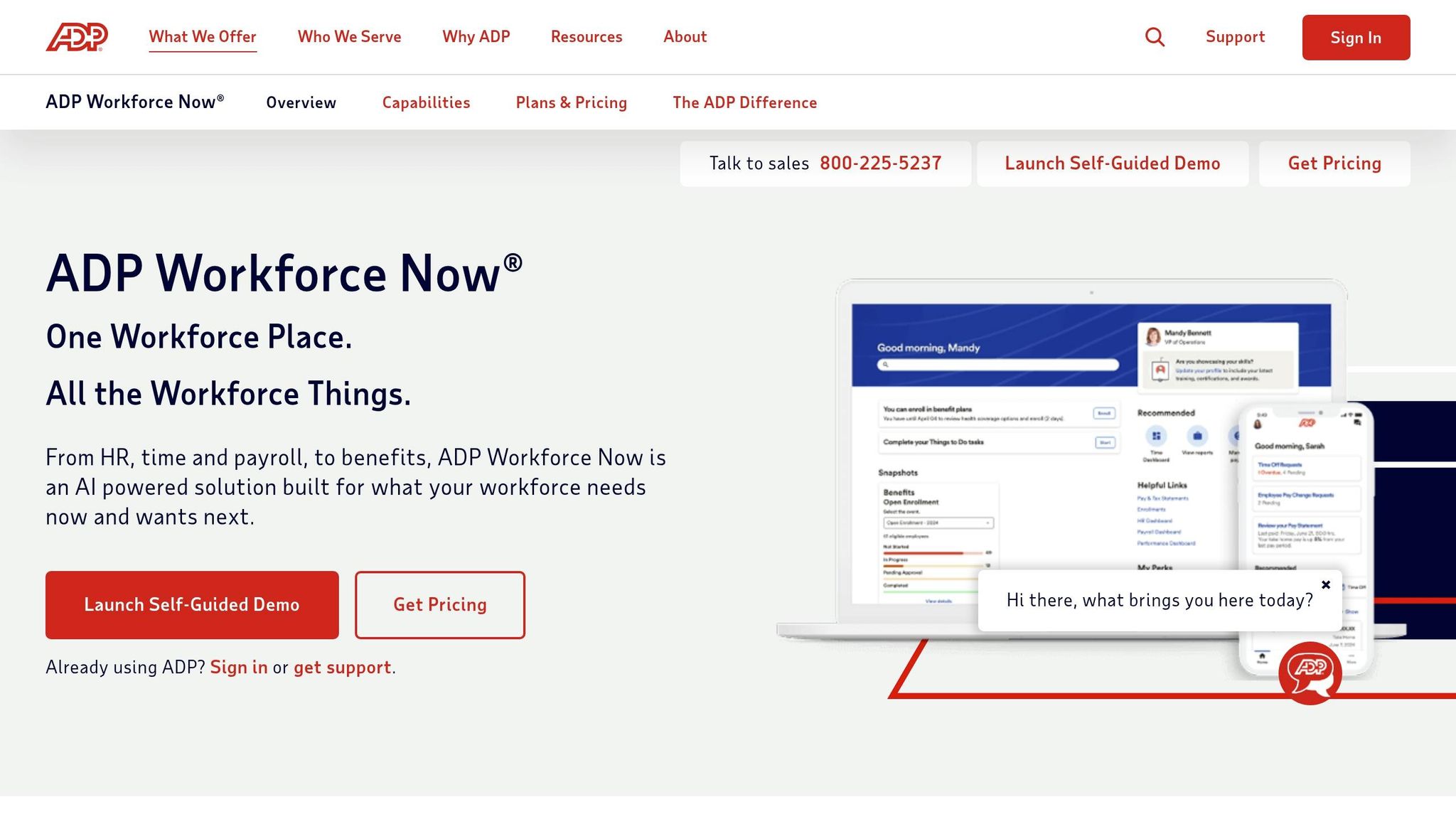
ADP Workforce Now tackles the pressing challenge of payroll accuracy and compliance in a way that directly supports employee retention. By continuously calculating payroll throughout the cycle, the platform automatically identifies discrepancies and handles complex multi-state wage calculations, including union deductions and prevailing wages, without the need for manual input. This proactive approach ensures accurate, on-time payments, reducing the frustrations that often lead skilled workers to seek opportunities elsewhere.
For construction and energy companies managing multi-state operations, ADP Workforce Now automates wage calculations and seamlessly syncs labor data with ERP systems for real-time job costing. This eliminates manual errors that can delay payments or create compliance issues, allowing businesses to focus on broader strategies for retaining their workforce.
The platform also offers rapid payroll previews and continually expands its functionality. Christine Clark, Payroll Director for North America at Light & Wonder, Inc., shared her positive experience with the system:
"The previews are so fast, and the functionality has just grown… We added employment verification, full-service wage garnishments and single sign-on. So, we got more features, saved money and got more benefits for our employees."
Additionally, a mobile app gives workers instant access to their pay and HR data, fostering greater transparency. With a 4.4/5 star rating based on 7,144 reviews as of January 15, 2026, and recognition as a Leader in The Forrester Wave™: Human Capital Management Solutions, Q4 2025, ADP Workforce Now has demonstrated its value across various industries. By ensuring consistent payroll accuracy and compliance, the platform helps build the trust needed to retain skilled employees.
7. GoContractor
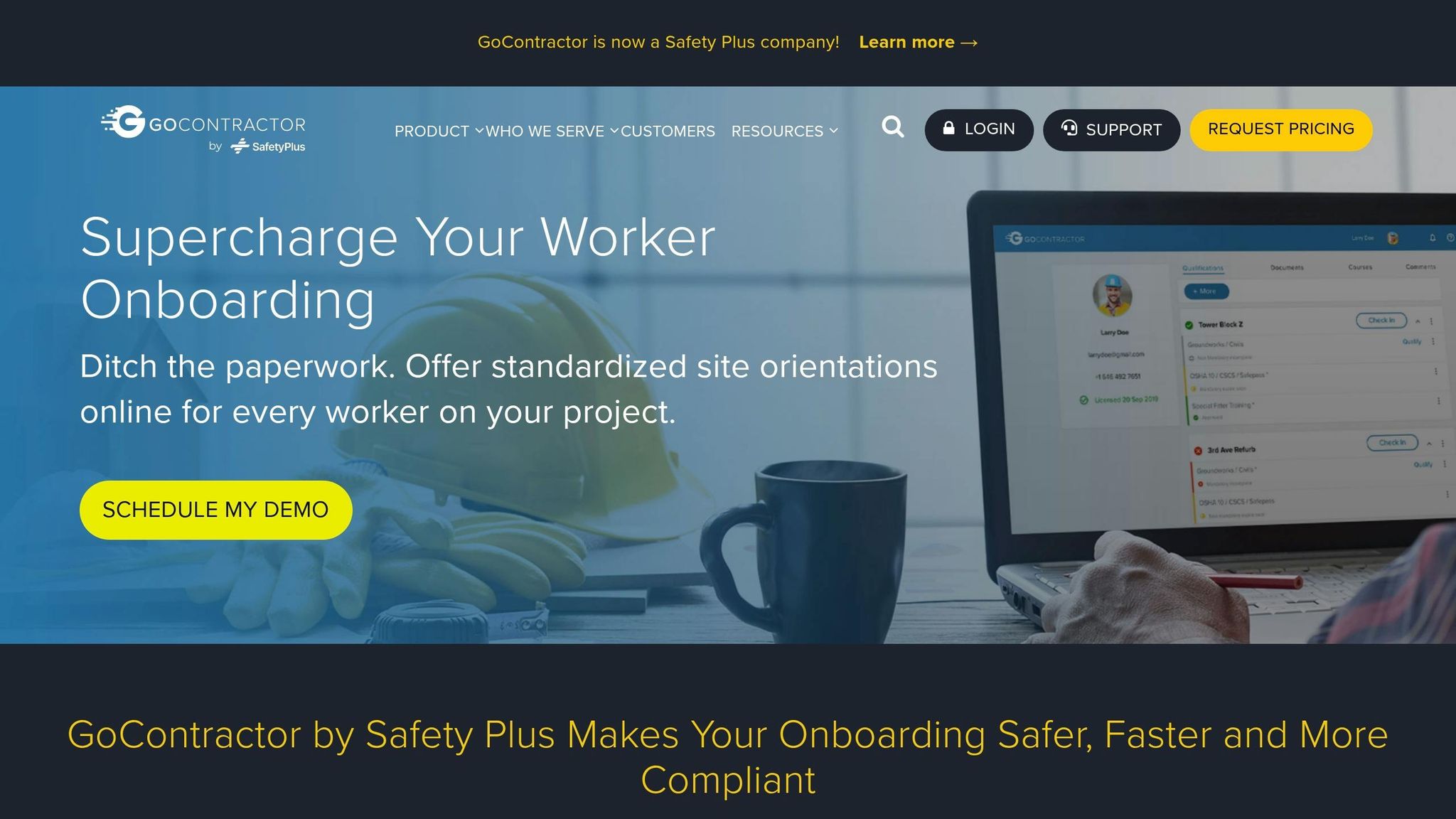
GoContractor takes the hassle out of onboarding, offering a digital solution that cuts through the inefficiencies of traditional methods. Instead of relying on slow, paper-based processes, workers can register, upload documents, and complete safety training online – getting everything sorted before they even set foot on-site.
This streamlined approach means workers can start their jobs three times faster compared to outdated methods. Rich Steimel, SVP at Lendlease, sums it up perfectly:
"The benefits were clear, instantaneous and tangible. Superintendents don’t have to waste time anymore."
The platform doesn’t just stop at onboarding. It keeps track of document and training expirations, sending alerts to managers when updates are needed. Integrated digital badging ensures that only fully compliant workers gain site access, maintaining safety standards and avoiding costly interruptions. Aaron Olsen, EHS Director at Industrial Scaffold Services, shared how this has impacted their operations:
"We’ve cut back on our administration costs. By the time they collect the paperwork, go through it, file it, do all that end of it, we ended up saving a lot of money and we also got to produce more training for our workers."
GoContractor also tailors onboarding to fit specific roles, locations, and languages, offering specialized training when needed. It replaces piles of paperwork with a centralized digital system, saving both time and money. By eliminating delays and reducing administrative headaches, the platform helps workers hit the ground running while fostering trust and support from the very beginning. That trust can make all the difference in keeping workers around for the long haul.
Comparison Table
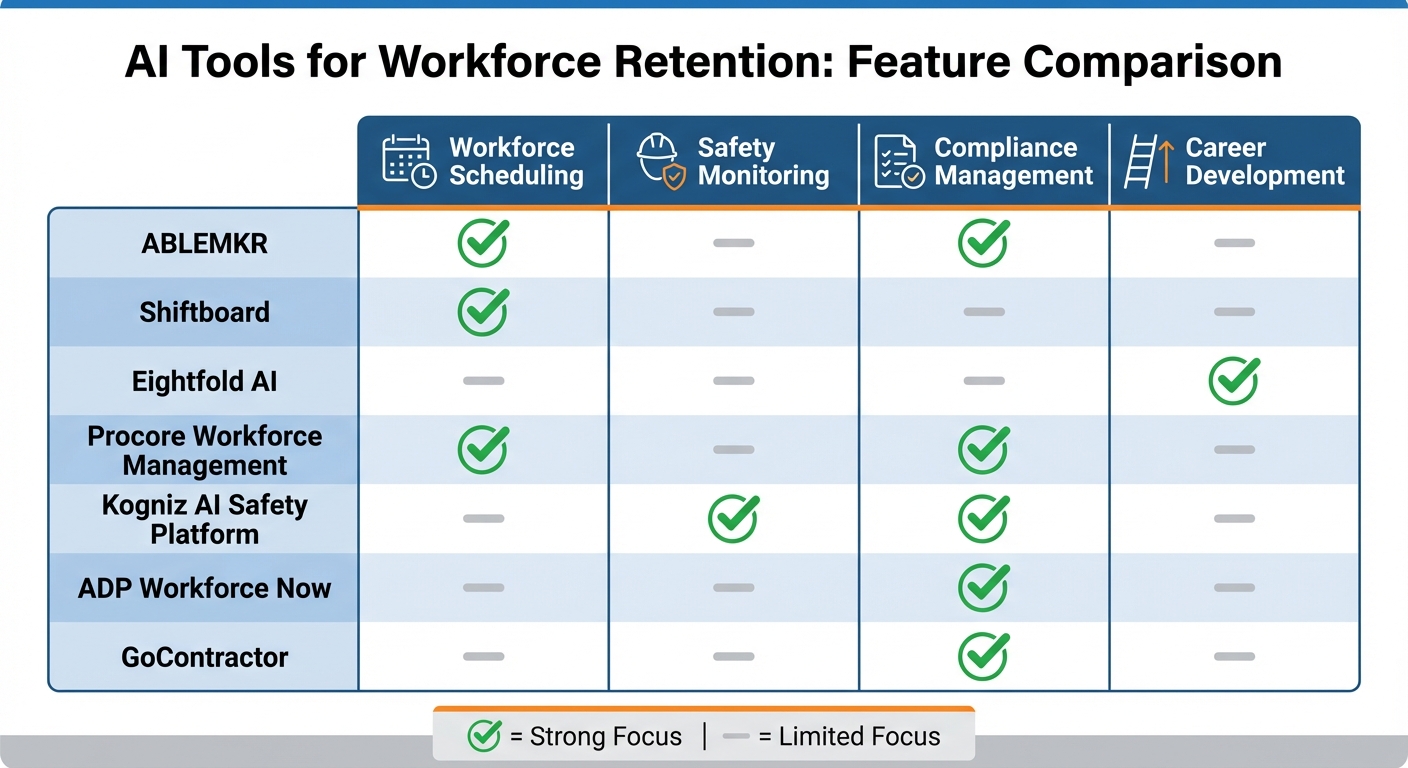
AI Tools for Workforce Retention: Feature Comparison Matrix
This table offers a quick look at the range of AI tools discussed earlier, focusing on how they tackle key workforce retention challenges. It highlights each tool’s strengths in areas like scheduling, safety, compliance, and career development.
| Tool | Workforce Scheduling | Safety Monitoring | Compliance Management | Career Development |
|---|---|---|---|---|
| ABLEMKR | ✓ | – | ✓ | – |
| Shiftboard | ✓ | – | – | – |
| Eightfold AI | – | – | – | ✓ |
| Procore Workforce Management | ✓ | – | ✓ | – |
| Kogniz AI Safety Platform | – | ✓ | ✓ | – |
| ADP Workforce Now | – | – | ✓ | – |
| GoContractor | – | – | ✓ | – |
A checkmark (✓) indicates a strong focus, while a dash ( – ) means the tool has less emphasis in that area.
Each platform takes a different approach to workforce retention:
- ABLEMKR and Procore Workforce Management combine scheduling and compliance capabilities, making them ideal for managing complex timelines and meeting regulatory requirements.
- Shiftboard focuses solely on scheduling, helping match shifts to worker preferences to reduce burnout and improve satisfaction.
- Kogniz AI Safety Platform is the only tool dedicated to safety, using real-time hazard monitoring to prevent accidents before they occur.
- Eightfold AI prioritizes career development, offering personalized learning paths to keep employees motivated and invested in their roles.
- ADP Workforce Now and GoContractor streamline compliance processes, automating payroll, onboarding, and other administrative tasks to reduce workload and errors.
The right tool depends on your workforce’s specific challenges. Whether the issue is erratic schedules, safety risks, compliance complexities, or limited growth opportunities, these tools provide targeted solutions. By addressing these core areas, businesses in high-risk industries can significantly improve employee retention.
Conclusion
Retention in the construction and energy sectors depends on prioritizing worker safety, offering clear career growth opportunities, and simplifying administrative tasks. ABLEMKR’s AI-powered tools tackle these challenges by shifting safety measures from reactive to proactive, tailoring career development to individual needs, and automating labor management processes.
Take, for instance, a Northern California sustainable energy company that implemented an AI assistant. The results were striking: 35% of support issues were resolved autonomously, over 550 accounts were unlocked monthly, and the average resolution time dropped from 2–3 days to just minutes. This efficiency boost led to a 96% employee satisfaction rate. When workers get answers in seconds rather than days, engagement naturally improves.
ABLEMKR’s mobile-first platform delivers real-time insights and proactive support, empowering workers like never before. By integrating tools like scheduling, automated job matching, and compliance tracking, it fosters safer workplaces and provides clear career pathways – critical factors for retaining talent over the long haul.
FAQs
Which AI retention tool should I start with first?
AI tools are transforming how companies manage and retain skilled workers by focusing on personalization, prediction, and safety. For example, platforms like ABLEMKR simplify labor deployment, ensure compliance, and improve workforce visibility – essential features for industries like construction and energy, where efficiency and safety are paramount.
By leveraging AI solutions that focus on employee support, workplace safety, and predictive analytics, your organization can address workforce challenges more effectively. These tools don’t just streamline operations; they help create a safer, more supportive environment, laying the groundwork for long-term employee retention.
How can AI safety monitoring be used without feeling invasive?
AI safety monitoring can center on supporting users proactively instead of relying on continuous oversight. For example, tools designed to spot risks and guide decision-making before issues arise can build trust by prioritizing safety over surveillance. When organizations clearly explain that these tools aim to enhance compliance and improve worker well-being, employees are more likely to view them as safeguards rather than intrusive measures. This approach encourages a workplace culture that values safety and mutual trust.
What data is required to implement AI scheduling and skill matching?
To put AI scheduling and skill matching into action, you’ll need specific data points, including worker certifications, safety training records, availability, geo-location, and real-time status updates. This information helps ensure workers are matched to projects accurately, based on their qualifications and current circumstances.


