
Emergencies demand quick, precise workforce deployment, and manual methods often fall short. AI-powered scheduling systems solve this by automating key processes, ensuring faster and more accurate responses. Here’s what you need to know:
- Core Challenges: Sudden demand spikes, compliance requirements, and geographic constraints make manual scheduling error-prone and inefficient.
- AI Solutions: These systems analyze real-time data to match qualified workers to tasks based on certifications, location, and availability, cutting response times by up to 80%.
- Benefits: Reduced delays, better compliance, fewer errors, and improved worker satisfaction. For example, AI scheduling in utilities has cut false dispatches by 80% and reduced emergency job delays by 67%.
- Key Features: Real-time scheduling, predictive analytics, and precise worker matching enable faster and safer workforce deployment during emergencies.
AI tools like ABLEMKR are transforming industries like energy, mining, and construction by ensuring the right people are in the right place at the right time. With predictive capabilities and compliance tracking, these systems not only save time but also reduce costs and improve safety.
The future? Even smarter AI systems that integrate real-time data like weather alerts and traffic conditions, ensuring even better emergency readiness.
AI Shift Scheduling & Rostering: How to adapt to unexpected events in real-time with Recommendations
Key AI Features for Emergency Scheduling
Modern AI scheduling systems come equipped with advanced tools designed to streamline emergency workforce deployment. These tools are tailored to address the unique challenges faced by high-risk industries, ensuring efficiency and compliance during critical situations.
Real-Time Scheduling and Assignment
AI-powered platforms excel at making instant staffing decisions by continuously analyzing worker availability, skills, and compliance requirements. When emergencies arise or staff unexpectedly call off, the system quickly reallocates shifts by evaluating certifications, location, and availability. This automation ensures minimal delays and guarantees that qualified personnel are deployed where they’re needed most.
A key part of this process is automated notifications. When an emergency shift opens up, the system immediately alerts eligible employees via mobile apps or text messages. Workers can then view and claim available shifts through self-service portals, streamlining the process. Additionally, these tools monitor and enforce compliance with labor laws, union agreements, and safety standards. If a potential violation – such as excessive overtime or insufficient rest – is detected, the system flags it and suggests compliant alternatives. This proactive approach helps reduce the risk of fines and legal disputes.
With these real-time capabilities, modern systems can cut the time required to fill emergency shifts by up to 80% compared to manual methods. This speed and efficiency form the backbone of more advanced features like predictive analytics and precise worker matching.
Predictive Analytics for Staffing Needs
AI systems go beyond reacting to emergencies – they predict staffing needs before they happen. By analyzing data from various sources, such as historical staffing trends, real-time attendance, weather forecasts, and incident reports, these systems can forecast potential gaps in coverage. For instance, severe weather often leads to spikes in emergency calls, and an AI platform might recommend increasing crew coverage ahead of a major storm.
One example of this in action is First Due, whose AI-driven scheduling improved response times and reduced overtime costs.
But weather isn’t the only factor these systems consider. They can also anticipate seasonal patterns, such as higher sick leave during flu season, and identify when certain certifications will be in higher demand. This predictive ability allows companies to strategically position resources in key locations, ensuring faster response times and better preparedness for emergencies.
Worker Matching and Resource Allocation
In emergencies, finding the right worker for the job is critical. AI scheduling systems excel at matching workers to tasks by considering a wide range of factors, including certifications, safety training, geographic proximity, and even individual preferences. For example, during a confined space emergency at a remote mining site, the system can instantly identify workers with the necessary confined space certification, relevant mining experience, and proximity to the site.
Platforms like ABLEMKR showcase this capability by aligning pre-vetted workers’ qualifications, training, and location with high-priority projects. These systems also provide real-time updates on worker status and compliance, ensuring all regulatory requirements are met during emergency deployments.
Geographic considerations are especially important for emergency response. AI tools calculate travel times, account for traffic, and even factor in weather conditions that could delay transportation. A worker who appears closer on paper might not be the best option if road conditions significantly slow their travel.
Beyond individual assignments, AI systems optimize entire crew compositions. For instance, in a pipeline repair emergency, the system might assemble a team with welding specialists, safety supervisors, and equipment operators, ensuring all necessary skills and certifications are covered. These platforms also act as shift marketplaces, allowing workers to select shifts transparently. This not only boosts worker satisfaction but also ensures emergency coverage comes from motivated personnel rather than reluctant assignments.
Benefits of AI in Emergency Workforce Scheduling
AI-powered emergency workforce scheduling has transformed how high-risk industries manage their teams during critical situations. By streamlining operations and improving employee experiences, these systems bring a host of advantages.
Faster Speed and Improved Precision
Emergencies demand quick action, and AI eliminates the delays caused by manual processes. When every second matters, AI can evaluate hundreds of coverage options in mere moments, factoring in multiple variables to identify the best solution for both the organization and its workforce.
The results speak for themselves. AI scheduling solutions have slashed the time needed to fill emergency vacancies by up to 80%, maintained optimal staffing levels, and significantly reduced overtime costs. At the same time, these systems respect employee preferences, ensuring fair distribution of emergency shifts – a win for both efficiency and worker satisfaction.
But speed without precision is meaningless. AI excels here, too, by processing massive amounts of data with unmatched accuracy. Across industries, this has led to more reliable workforce planning and fewer last-minute crises. For example, in utility field operations, AI-driven scheduling reduced emergency job delays by 67% and cut unnecessary dispatches by 80%. These improvements save money, streamline operations, and ensure resources are used effectively.
Such gains naturally enhance compliance and confidence in the scheduling process, further strengthening operational reliability.
Enhanced Compliance and Transparency
In emergency scenarios, compliance isn’t just important – it’s critical. Assigning unqualified personnel to high-stakes tasks can lead to safety risks, regulatory fines, or worse. AI systems help mitigate these risks by continuously monitoring certifications, safety training, and labor laws to ensure only qualified workers are assigned to critical roles.
Transparency is another key benefit. AI scheduling minimizes disputes by ensuring staffing decisions are fair and align with established policies. The system also creates detailed, auditable records that organizations can reference during inspections or audits, reducing human error and fostering trust among workers and management alike.
Putting Workers First
AI scheduling doesn’t just benefit organizations; it also prioritizes the well-being of employees. By removing human bias from the equation, these systems ensure shifts are distributed equitably and fairly.
Employees gain greater flexibility, with AI accommodating personal preferences and automating shift trades . For instance, the system takes into account family obligations and other personal constraints when assigning shifts, leading to higher job satisfaction. Platforms like ABLEMKR even guarantee on-time payments and provide workers with clear visibility into available shifts and assignment criteria, empowering them to make informed decisions.
AI also supports career growth by tracking verified skills and qualifications. Workers can see how their expertise aligns with job requirements and identify opportunities for advancement. This transparency boosts engagement and helps employees feel valued.
In healthcare, AI-driven scheduling has had a profound impact, ensuring 24/7 coverage while reducing staff fatigue. By dynamically adapting to last-minute changes, these systems minimize unexpected overtime and promote a healthier work-life balance. Additionally, by optimizing shift assignments, AI helps stabilize workers’ income, removing many of the uncertainties associated with traditional scheduling methods.
Together, these worker-focused benefits create a positive cycle: satisfied employees are more likely to take on emergency assignments, which strengthens organizational resilience during critical events.
sbb-itb-aa28329
Implementation and Best Practices for AI Scheduling
To make the most of AI in emergency workforce scheduling, you need a solid plan and thoughtful execution. Rushing into deployment can lead to expensive mistakes. A structured approach that addresses technical requirements, ethical concerns, and the human side of the equation is essential. Below, we’ll explore the steps for integration, ethical considerations, and strategies for managing change effectively.
Steps to Integrate AI Scheduling Platforms
Start by analyzing your current workflows. Identify manual bottlenecks and map out data flows. This helps you see where AI can make the biggest difference and avoids errors during deployment.
One of the most overlooked steps is preparing your data. Historical records, employee availability, certifications, and compliance details need to be accurate and well-organized. If the data is messy, the AI’s recommendations won’t be reliable. Spend the time upfront to clean and structure this information – it’s worth it.
Phased rollouts are a smart way to test the waters. Pilot testing lets you catch technical issues early, and gradually introducing automation while keeping manual oversight helps ease the transition. Many fire departments, for example, have found that this approach minimizes disruptions.
Compatibility with your existing HR and workforce systems is another critical aspect. The AI platform should integrate smoothly with your current setup while maintaining security and data integrity.
Finally, treat implementation as a continuous process. Regular updates, performance checks, and adjustments based on your team’s evolving needs are essential for long-term success.
Key Considerations for Ethical AI Use
Ethical implementation starts with protecting employee data. Strong encryption, strict access controls, and compliance with regulations like HIPAA or OSHA are non-negotiable. When choosing an AI platform, carefully evaluate how it handles sensitive information, ensuring that only authorized personnel have access.
Transparency is another cornerstone. Employees should understand how the AI makes scheduling decisions. Clear explanations help build trust and reduce conflicts. If workers know why they’ve been assigned certain shifts, they’re more likely to embrace the system.
Human oversight is also crucial, especially for complex or sensitive decisions. Rather than fully automating everything, configure the system to provide recommendations that managers can review. For instance, a North American telecom company kept a 15–20% manual review rate to handle edge cases and ensure service quality, showing how human judgment complements AI efficiency.
Regular audits are necessary to detect and address biases in the system. This ensures that the scheduling process is fair for all employees.
Training and Change Management
Once your AI system is secure and ethically sound, the focus shifts to getting everyone on board.
A well-thought-out change management plan can make or break the adoption process. Clearly communicate the benefits of the new system and involve employees early on through pilot programs and feedback sessions.
Training is critical. Managers need to learn how to interpret AI-generated schedules, manage exceptions, and make manual adjustments when needed. Workers should be trained on how to navigate the new system, view their shifts, and provide feedback.
For example, a major U.S. hospital system implemented AI scheduling and saw impressive results: surgery delays dropped by 30%, and staff satisfaction improved by 25%. This success was largely due to their collaborative approach, which included hands-on training and open communication.
Ongoing support is equally important. Help desks, user guides, and regular check-ins can smooth the transition and boost adoption rates. Establishing feedback loops is another effective strategy. Many emergency response teams have found that regular conversations with staff lead to improvements in both the system’s performance and overall worker satisfaction.
Practical Applications and ABLEMKR‘s Role
Industry-Specific Scenarios
Emergency workforce scheduling plays a crucial role in high-risk industries where split-second decisions and rapid coordination are essential. Think about situations like pipeline repairs, utility storm responses, mine evacuations, or fire department operations – each demands the immediate mobilization of specialized personnel who have the right certifications and are located nearby.
Take fire departments, for example. In 2023, First Due introduced AI-driven scheduling for several fire departments across the U.S. By combining weather forecasts with historical call data, these departments could predict staffing shortages and adjust their coverage before major storms hit. The result? Faster response times and lower overtime costs, all while ensuring communities were better protected when it mattered most.
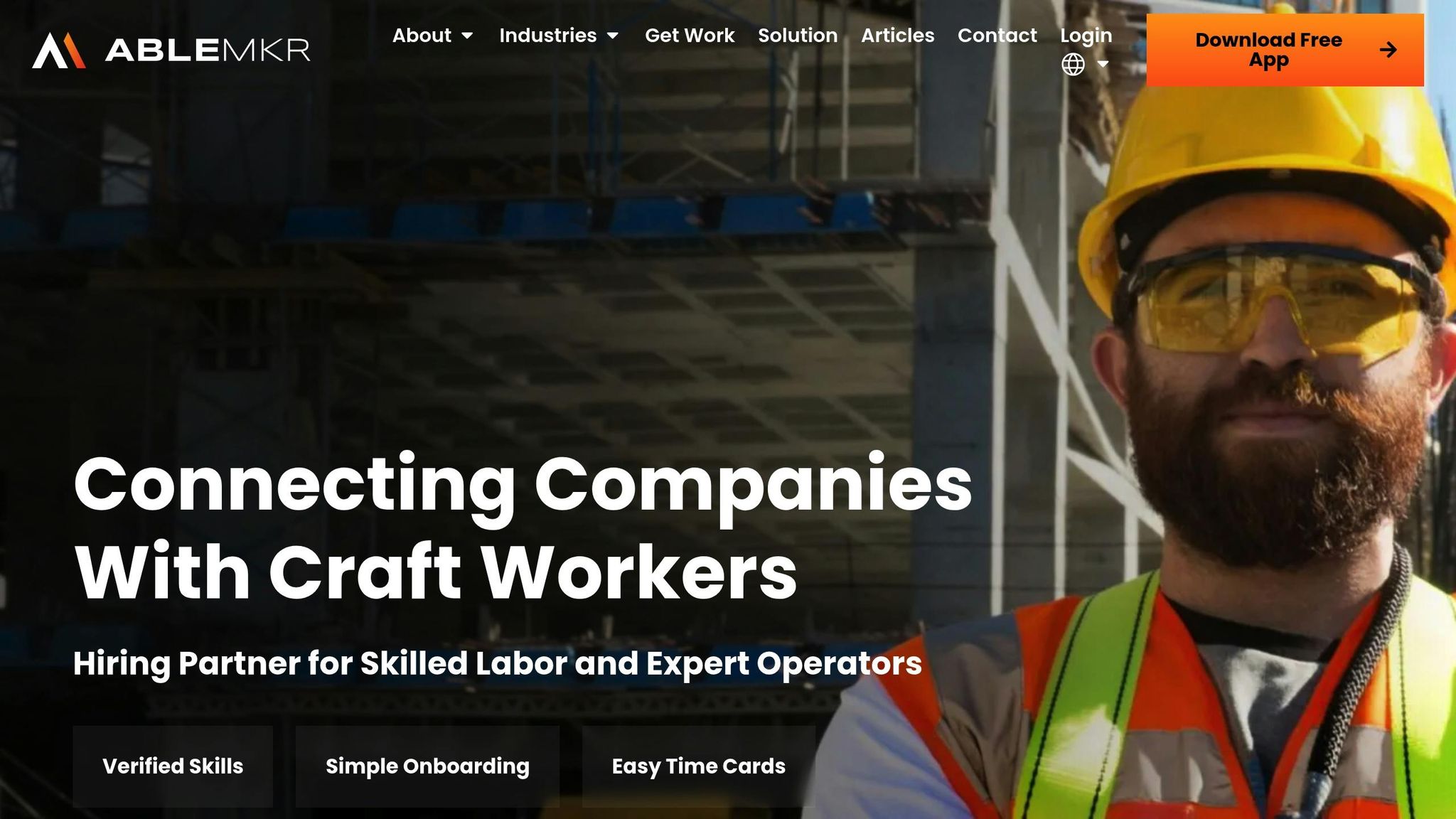
These real-world examples highlight how ABLEMKR brings AI into the mix, offering a smarter, faster way to handle emergency scheduling.
How ABLEMKR Leads in Emergency Scheduling
Traditional manual scheduling struggles to keep up with the fast pace and complexity of emergency workforce deployment. ABLEMKR steps in with an AI-powered approach that simplifies the process, making it both efficient and compliant.
The platform uses real-time job matching to connect pre-vetted workers to critical assignments based on a combination of factors – certifications, safety training, availability, and even their current location. Workers receive instant notifications about urgent job opportunities through a mobile app, allowing them to accept assignments with just a tap. This streamlined process replaces time-consuming back-and-forth communications, saving precious minutes during emergencies.
ABLEMKR doesn’t stop there. Integrated payroll workflows ensure workers are paid on time, which encourages them to take on urgent roles without hesitation. Automated compliance tracking verifies that workers have up-to-date certifications and credentials, reducing liability risks and ensuring adherence to regulations under high-pressure conditions. Managers also benefit from real-time visibility into workforce status, enabling them to monitor crew locations, track job progress, and make necessary adjustments as emergencies unfold.
Measurable Results of AI-Driven Solutions
The impact of AI-powered scheduling is clear when you look at the numbers and outcomes. By optimizing shift assignments, organizations cut down on administrative burdens and overtime costs. They also avoid unnecessary dispatches, which helps save on fuel, labor, and equipment expenses.
Safety, a critical concern in high-risk industries, gets a boost too. Automated compliance tracking ensures workers meet safety standards, while smarter scheduling prevents fatigue by balancing shift rotations and identifying burnout risks. In healthcare, for instance, AI scheduling has been linked to reduced staff fatigue and better patient care outcomes.
Workers themselves see the benefits as well. With self-service platforms, they gain more control over their schedules, which reduces disputes and builds trust between teams and management. This transparency leads to higher job satisfaction and improved retention rates – especially important in industries known for high turnover.
When you combine faster response times, lower costs, improved safety, and happier workers, it’s easy to see why AI-powered emergency scheduling is becoming a game-changer for industries under constant pressure to act quickly and maintain high safety standards.
Conclusion and Future of AI in Emergency Workforce Scheduling
Key Takeaways
AI-driven systems are reshaping emergency workforce scheduling across high-risk industries. These tools have proven to cut down emergency vacancy fill times significantly while achieving an impressive 80–85% forecasting accuracy. This level of precision allows organizations to make smarter, more proactive staffing decisions. What’s more, these systems automatically verify certifications and safety training, ensuring compliance and transparency at every step. On the worker side, they offer greater schedule flexibility and control, which has led to better work-life balance and higher job satisfaction. In the healthcare sector specifically, organizations have reported reduced overtime costs and lighter administrative workloads. Together, these benefits create a more efficient and sustainable operational model that benefits everyone involved. It’s clear that these advancements are not just about optimizing current processes – they’re setting the stage for even more innovative scheduling solutions.
Future Developments in AI and Workforce Deployment
The success of these systems opens the door to further breakthroughs in AI scheduling. Looking ahead, the integration of AI with IoT devices could allow real-time tracking of worker locations and statuses, giving managers a clearer picture of crew movements and availability. Autonomous AI systems are another exciting development. These platforms could self-optimize schedules based on real-time changes, pulling in external data like weather alerts, disaster warnings, or traffic patterns to make instant adjustments – all without human intervention.
One company leading the charge is ABLEMKR, with its mobile-first, AI-powered platform. This platform matches pre-vetted workers to critical projects using data like certifications, safety training, and geo-location. Originally focused on construction, ABLEMKR is now expanding into energy and extractive industries, demonstrating how scalable AI solutions can adapt to diverse industry needs while ensuring rapid and compliant workforce deployment.
Looking further ahead, advanced predictive analytics powered by machine learning will refine scheduling even more. These models will learn and improve with each use, helping to identify patterns and optimize crew assignments. Workers, too, stand to gain more control over their schedules through tools like shift marketplaces and self-service portals, which also help employers address staffing gaps more efficiently. By blending automation with human oversight, these systems promise to balance efficiency with ethical, informed decision-making in workforce scheduling.
FAQs
How does AI help ensure compliance with labor laws and safety standards during emergency workforce scheduling?
AI takes the hassle out of compliance by automatically aligning workers with job sites based on their certifications, safety training, and proximity. This process ensures that only properly qualified and pre-vetted individuals are assigned, minimizing risks and meeting legal standards.
With these tasks simplified, companies can swiftly deploy teams while staying compliant with labor laws and safety regulations – even in demanding, time-sensitive situations.
How does predictive analytics enhance AI-based workforce scheduling for emergencies?
Predictive analytics is a game-changer when it comes to improving AI-driven workforce scheduling during emergencies. By diving into historical data, monitoring real-time conditions, and assessing workforce availability, it helps predict staffing requirements and spot potential hurdles. This means organizations can ensure the right people with the right skills are in the right places exactly when they’re needed.
Take, for instance, AI-powered platforms that use these predictive insights to quickly assemble teams for urgent tasks like last-minute shutdowns, remote repairs, or disaster responses. The result? Fewer delays, smarter use of resources, and smoother operations when the pressure is on.
How can organizations adopt AI-powered scheduling systems while addressing ethical concerns?
To make the shift to AI-powered scheduling systems as seamless as possible, organizations should invest in thorough training for their teams. It’s crucial that employees not only understand how the technology works but also see the benefits it brings to their daily tasks. Open communication about how AI enhances efficiency – without replacing human judgment – is key to building trust and reducing apprehension.
When it comes to ethical concerns, transparency and fairness should take center stage. Organizations need to ensure that AI systems are designed to minimize bias and rely on objective factors like certifications, availability, and location when making decisions. Conducting regular audits of the AI system can help safeguard ethical standards and maintain trust among employees and stakeholders alike.


