
Managing remote teams in construction and energy requires the right mix of tools, communication, and clear processes. Here’s what you need to know:
- Hybrid Work Model: Many tasks like planning, budgeting, and compliance can be done remotely, while field roles like equipment operation remain on-site.
- Key Technologies: Cloud-based project management tools, mobile communication platforms, and IoT sensors are essential for real-time updates and efficient collaboration.
- Remote-Friendly Roles: Project managers, engineers, compliance officers, and admin staff thrive in remote setups with proper digital tools.
- Communication Strategies: Daily check-ins, asynchronous messaging, and structured feedback systems keep teams aligned, even across time zones.
- Challenges & Solutions: Weather, equipment delays, and compliance complexities require instant communication and tools like dashboards for transparency.
- ABLEMKR Platform: A workforce solution tailored for remote construction and energy teams, offering features like AI-driven staffing, real-time tracking, and compliance management.
How to Build Trust and Connection in Remote Teams
Core Technologies for Remote Workforce Coordination
In the construction and energy sectors, keeping remote teams connected and productive relies on a solid technology stack. These tools enable real-time communication, project tracking, and efficient collaboration, even across vast distances.
Project Management and Collaboration Tools
Modern cloud-based platforms, integrated with Building Information Modeling (BIM), allow teams to stay on the same page by providing real-time 3D updates. This ensures that updated blueprints, design changes, and regulatory documents are instantly accessible to everyone. For instance, if safety protocols are revised, the system automatically notifies the entire team, eliminating delays.
These platforms also handle resource allocation, tracking equipment and personnel remotely. By integrating with accounting, procurement, and compliance systems, they reduce manual data entry, cutting down on errors and saving time. With project data centralized and streamlined, teams can focus on execution rather than chasing down information.
Communication and Virtual Meeting Tools
Communication is the backbone of remote coordination, especially for dispersed teams in construction and energy. Tools that support both real-time and asynchronous communication are essential since field conditions often make scheduled meetings impractical.
Industrial-grade video conferencing tools come equipped with features like screen sharing for technical drawings and real-time annotation capabilities. For example, a field supervisor encountering a structural issue can immediately share photos and mark up drawings during a call with a remote engineer.
Mobile platforms ensure that field workers can instantly share updates, complete with photos, directly from job sites. Push notifications ensure critical information reaches the right people without delay. For teams working across different time zones, asynchronous communication tools like threaded messaging systems are invaluable. A maintenance crew working overnight can leave detailed reports, photos, and equipment readings for the day-shift engineers to review.
Voice communication remains a go-to for urgent matters. Modern platforms with push-to-talk functionality mimic traditional radio systems but offer better range and the ability to include remote team members in group discussions.
Monitoring and Data Access Solutions
To complement project management and communication tools, advanced monitoring systems provide real-time insights into operations. These technologies have revolutionized oversight, allowing managers to stay informed without being physically present.
IoT sensors continuously track operational metrics, while drones conduct high-definition site inspections. All this data is consolidated in cloud-based storage and displayed on real-time dashboards, ensuring uninterrupted access – even if local systems experience issues.
These dashboards offer a single view of critical information, such as live video feeds from multiple sites, weather conditions, equipment status, and worker check-ins. Mobile apps make it easy to upload site data on the go, while robust security measures – like encryption, multi-factor authentication, and role-based access controls – protect sensitive project information. This ensures that only authorized personnel can access critical data, no matter where they are.
Key Tasks and Roles for Remote Coordination
In construction and energy projects, not every task demands an on-site presence. With the help of digital tools, many responsibilities can be handled remotely, cutting down on travel costs and boosting work-life balance without sacrificing accuracy or efficiency.
Tasks Suited for Remote Management
Some tasks are particularly well-suited for remote execution:
- Project scheduling and timeline coordination: Project managers can track progress, adjust schedules based on real-time data, and coordinate deliveries – all while staying in constant communication with on-site teams.
- Safety compliance monitoring: Safety officers can review incident reports, conduct virtual safety audits using drone footage, and access live documentation from multiple sites. Virtual safety training sessions can also reach workers across locations simultaneously.
- Budget tracking and financial oversight: Finance teams can oversee project costs, approve expenditures, and monitor resource allocation via cloud-based accounting systems. This includes real-time tracking of equipment rentals, material purchases, and labor expenses, enabling quick course corrections when budgets are stretched.
- Quality assurance and inspections: Using high-definition cameras, IoT sensors, and detailed photos from field teams, quality managers can remotely review work progress, spot issues, and coordinate fixes.
- Permit and regulatory coordination: Regulatory specialists can manage permit applications, schedule inspections, and ensure compliance documentation is handled from any internet-connected location.
- Training and certification management: Virtual platforms make it easy to deliver safety courses, equipment certifications, and compliance training. Coordinators can train workers across multiple projects while keeping detailed records of completions.
- Vendor and supplier coordination: Procurement teams can efficiently manage supplier relationships and contracts without needing to be on-site.
These tasks highlight areas where remote coordination thrives, emphasizing the growing role of digital oversight in the industry.
Roles Optimized for Remote Work
Certain roles have adapted seamlessly to remote work, leveraging technology to maintain efficiency:
- Project managers: With real-time data and communication tools, project managers can oversee multiple projects remotely, reserving site visits for critical moments. They focus on stakeholder communication, strategic decisions, and progress monitoring from a centralized location.
- Safety and compliance officers: Much of their work – such as reviewing reports, investigating incidents, and coordinating with regulatory bodies – can be done remotely. On-site visits are typically reserved for major incidents or formal inspections.
- Engineering consultants and technical specialists: Remote work provides the quiet, focused environment needed for complex calculations, design reviews, and problem-solving, while video calls and shared digital tools keep them connected to field teams.
- Administrative coordinators: Tasks like scheduling, documentation, meeting coordination, and maintaining records can be managed from anywhere, ensuring smooth project operations.
- Financial analysts and cost estimators: These roles revolve around data analysis and financial modeling, making remote work an ideal setup. They can prepare budgets, analyze costs, and offer financial insights without needing to visit job sites.
- Training coordinators and HR specialists: Workforce development, employee relations, and hiring processes can all be handled remotely, which is especially beneficial for companies with geographically dispersed teams.
- Environmental and sustainability specialists: These professionals can monitor compliance, review environmental impact reports, and liaise with regulatory agencies remotely, requiring site visits only for specific assessments or emerging issues.
The effectiveness of these roles hinges on robust communication with field teams and access to real-time project data. Regular check-ins and occasional site visits ensure remote professionals stay connected to on-the-ground realities that might not always be captured digitally. Together, these adaptations showcase how remote work is reshaping workforce coordination in construction and energy projects.
Virtual Team Communication Strategies
Effective communication is the backbone of coordinating remote construction and energy teams. Without the natural, on-site interactions, these teams must adopt intentional strategies to stay connected, informed, and aligned with project goals.
Best Practices for Meetings and Check-Ins
Turner Construction’s success during the Metropolitan Healthcare Complex project highlights the importance of structured communication. Their approach led to a 30% reduction in communication-related delays, a 25% improvement in decision-making speed, and a 20% boost in overall project efficiency. This was achieved by implementing consistent and organized communication protocols.
Daily 15-minute check-ins are a simple but powerful tool. These meetings provide quick updates on field progress, weather conditions, equipment status, and any emerging issues. The key? Stick to a regular schedule to ensure everyone stays in sync.
Weekly one-on-one meetings between supervisors and team members offer a more personal space to address work challenges, mental health, and professional growth. These sessions can uncover issues that might not surface in group settings, such as safety concerns, equipment problems, or interpersonal conflicts that could disrupt timelines.
To enhance meeting efficiency, distribute clear agendas with time allocations and pre-meeting materials. Recording concise minutes with assigned action items ensures accountability and keeps discussions focused. Participants come prepared, and decisions are made faster.
Even in a digital-first world, annual in-person gatherings remain invaluable. Whether it’s a project kickoff, a safety training event, or a year-end celebration, face-to-face interactions help build relationships that virtual communication alone cannot fully nurture.
These strategies lay the foundation for tackling broader communication challenges in remote environments.
Overcoming Communication Barriers
While structured meetings provide clarity, remote teams often face unique challenges tied to digital and geographical constraints.
Time zone differences can complicate scheduling for teams spread across regions. Rotating meeting times ensures no single group is consistently burdened with inconvenient hours. For urgent matters, clear escalation protocols ensure decisions are made promptly, even when key personnel are unavailable.
Another hurdle is varying levels of tech proficiency, especially between office staff and field workers. Tailored training sessions and easy-to-follow reference guides with visual aids can help everyone adapt to new tools more effectively.
When real-time communication isn’t feasible, asynchronous methods can fill the gap. For example, voice messages are practical for field workers who may not have time to type, while video updates can convey complex technical or safety issues more effectively than written reports.
Misunderstandings can also arise from different communication styles. Establishing clear norms that respect diverse preferences – while following up critical conversations with written summaries – helps ensure everyone is on the same page.
Cloud-based systems, as mentioned earlier, play a pivotal role in reducing information silos. These platforms centralize communication, enabling instant messaging, video conferencing, and document sharing in one place. This approach can improve efficiency by up to 35%. Optimizing mobile interfaces for outdoor use and offline functionality ensures field workers can provide timely updates, even in challenging conditions.
As the construction industry continues its digital transformation, tools like AI, augmented reality, and IoT sensors are expanding the possibilities for remote communication and collaboration. By mastering these core strategies, teams can seamlessly integrate new technologies while maintaining the human connections that are essential for project success.
sbb-itb-aa28329
Building Trust and Collaboration in Remote Teams
Trust is the bedrock of any successful remote team. Without the chance to casually observe progress or have impromptu conversations, remote teams need to be intentional about building relationships and creating systems that encourage accountability and teamwork.
Coordinating a team spread across different locations and skill sets demands systems that connect everyone to the mission while ensuring confidence in each other’s contributions. From field workers to project managers and office staff, every team member must feel like an integral part of the bigger picture.
Performance Tracking and Feedback
Tracking performance is a cornerstone of trust in remote teams. But it’s not just about checking off tasks. It’s about creating clear and transparent systems that set expectations, highlight progress, and offer timely guidance.
Real-time dashboards are a game-changer here. They give everyone access to the same data – whether it’s safety incidents, project milestones, or resource usage – eliminating guesswork and cutting down on miscommunication about project status.
Regular, structured feedback sessions are equally important. Instead of vague comments like “great work,” feedback should be specific and tied to measurable outcomes. For example, a supervisor might say, “You completed the electrical installations in Building A ahead of schedule while maintaining zero safety violations.” This level of detail not only boosts morale but also reinforces accountability.
Digital tools like logs and photos further enhance transparency. They provide a clear record of progress, ensuring accountability while also protecting workers by documenting their adherence to safety protocols and their contributions to the project.
Feedback systems that gather input from multiple sources – peers, supervisors, and even clients – can offer a fuller view of performance. This approach ensures that no critical insights are overlooked and helps pinpoint areas for improvement that might escape a single manager’s attention.
Timeliness matters when it comes to feedback. Waiting for a monthly review to address an issue or recognize an achievement can dilute its impact. Digital platforms that allow for quick check-ins and immediate recognition keep the team engaged and help resolve challenges before they grow into bigger problems.
Recognition and Team Building
Recognition plays a crucial role in strengthening collaboration, especially in remote settings where accomplishments might not always be visible.
Public acknowledgment through team communication tools can make a big difference. Sharing photos of completed work, highlighting safety milestones, or celebrating project achievements keeps everyone connected to the team’s success. It also helps individuals see how their efforts contribute to the broader goals.
Virtual team-building activities require a bit of creativity but can be just as impactful as in-person gatherings. Ideas like virtual coffee breaks, online skills-sharing sessions, or digital photo contests showcasing worksite highlights can foster camaraderie and a sense of community.
Peer recognition programs are another effective strategy. When team members can nominate each other for achievements or acts of support, it builds a culture of mutual respect and appreciation. Digital platforms make it easy to implement systems for this – whether it’s a point-based program or simple shout-outs.
Professional development opportunities can also double as recognition and team-building tools. Offering online training, certifications, or cross-training shows a commitment to employees’ growth while creating shared experiences that unite the team around common goals.
Finally, informal interactions are just as important as formal ones. Optional virtual lunches, online games, or shared digital spaces for hobbies and personal updates can help build the kind of personal connections that make work more enjoyable and collaboration more seamless.
When remote teams feel valued, connected, and confident in each other’s abilities, the challenges of coordination become far easier to manage. With the right tools and consistent effort, trust and collaboration can thrive, no matter the distance.
Using ABLEMKR for Remote Workforce Coordination
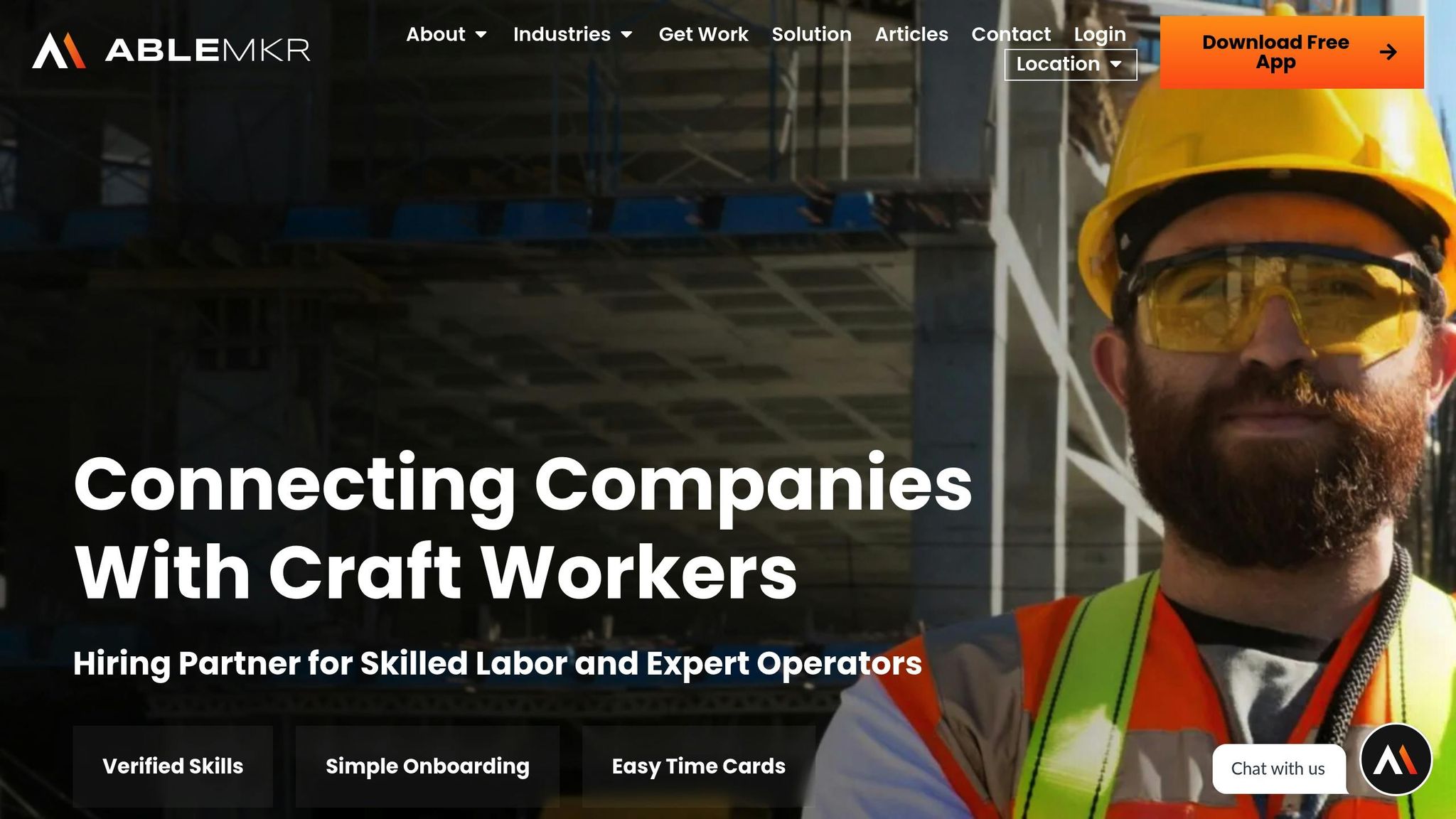
Handling remote construction and energy projects goes far beyond just having the right tools. It requires a solution that addresses the unique hurdles of these industries – like finding skilled workers on short notice or ensuring compliance across multiple job sites. That’s where ABLEMKR comes in. It’s designed specifically to tackle these challenges, offering features tailored to the realities of remote workforce coordination.
With ABLEMKR, you get automated, AI-driven staffing that makes rapid deployment a breeze. Whether you’re scaling from six workers to 100 in just a few weeks or pulling together a crew for an emergency, the platform centralizes the entire process. It’s not just another tool – it’s a complete system built with remote teams in mind.
Features Built for Remote Teams
One of ABLEMKR’s standout features is its verified worker profiles. Every worker undergoes a thorough vetting process, including skills verification and interviews based on customer needs. This takes the uncertainty out of remote hiring, ensuring you’re working with qualified professionals from day one.
The mobile app keeps everyone connected, no matter where they are. Contractors and workers can use the platform to coordinate schedules, update project statuses, and handle admin tasks – all without being tied to a desk. This level of connectivity is essential for managing teams spread across various job sites and time zones.
Streamlined onboarding makes integrating new workers into projects quick and easy. Remote onboarding can often be a hassle, but ABLEMKR simplifies the process, helping workers get up to speed faster. This is especially helpful when you need to scale up quickly or replace team members unexpectedly.
Tracking hours is another common challenge for remote teams, and ABLEMKR addresses this with easy time cards. The platform’s straightforward time tracking ensures accurate payroll while giving managers real-time insights into labor costs and productivity.
Perhaps one of the most powerful tools is ABLEMKR’s automated job matching. Using AI, the system connects workers to projects based on certifications, safety training, availability, and location. This eliminates the need for manual resume sorting and ensures every worker is a perfect fit for the job.
Tackling Industry-Specific Challenges
ABLEMKR doesn’t stop at basic workforce coordination – it’s equipped to handle the complexities of construction and energy projects.
Last-minute crew mobilization is a constant headache in these industries. Equipment failures, weather disruptions, or sudden project changes can create urgent staffing needs. ABLEMKR’s on-demand staffing capabilities rise to the occasion, allowing companies to deploy vetted workers quickly. With options like flex workers, flex-to-hire, and direct placement, the platform adapts to whatever the situation demands.
Managing compliance is another major challenge, especially when teams are spread across multiple locations and jurisdictions. ABLEMKR simplifies compliance tracking, ensuring that workers meet all project and regulatory requirements. This focus on accountability makes it easier to demonstrate compliance to clients and regulators alike.
Keeping costs in check is even harder when managing projects remotely, but ABLEMKR delivers cost transparency from start to finish. With integrated time tracking and detailed cost breakdowns, you can keep projects on budget while providing clients with the clarity they expect.
Traditional staffing methods often come with reliability issues, but ABLEMKR addresses this with on-time payments for workers and real-time invoicing for employers. Workers stay motivated knowing they’ll be paid promptly, while employers gain the billing transparency needed for accurate accounting.
The platform also simplifies administrative tasks by handling W2 employment and workers’ compensation coverage. This reduces the burden on companies, allowing managers to focus on project coordination instead of paperwork.
Finally, ABLEMKR’s approach to workforce hourly management brings the flexibility needed for remote projects. Whether you’re managing a short-term maintenance job or a years-long construction effort, the platform adjusts to your timeline and budget. By combining flexible workforce management with industry-specific tools, ABLEMKR becomes an essential part of any remote coordination strategy.
Key Takeaways for Remote Workforce Coordination
Coordinating remote teams in construction and energy industries requires a thoughtful mix of technology, communication, and trust. These three elements work together to create a solid framework for keeping remote operations efficient and effective.
Technology plays a central role. Using cloud-based platforms, tools for real-time communication, and mobile-friendly solutions ensures that everyone stays connected and projects move forward smoothly. The focus should be on tools that support real-time project updates and collaboration on the go.
However, technology alone isn’t enough. Strong communication protocols are equally important. This means having structured check-ins, scheduled meetings, and using multiple communication channels to keep everyone aligned. These practices also help ensure compliance with safety and regulatory standards.
Building trust within remote teams takes intentional effort. This can be achieved through performance tracking, transparent feedback systems, and employee recognition programs. Without the benefit of frequent face-to-face interaction, fostering accountability and maintaining team morale become even more critical.
For industry-specific challenges, tools like ABLEMKR address unique needs in construction and energy. These industries face hurdles like rapid crew mobilization, compliance tracking across various jurisdictions, and the demand for cost transparency. Platforms tailored to these realities can make a significant difference.
FAQs
How does ABLEMKR make it easier to manage remote teams in construction and energy industries?
ABLEMKR makes managing remote teams easier by offering tools like real-time scheduling, GPS tracking, and automated job matching. These features ensure workers are assigned to tasks that fit their skills, helping to boost efficiency and cut down on delays.
The platform also includes verified worker profiles and centralized data sharing, which simplify tracking progress, improve communication, and promote safety across projects. With ABLEMKR, handling remote teams becomes smoother and more organized.
What are the best ways to maintain communication and build trust with remote teams in construction projects?
Maintaining strong communication and trust with remote teams in construction projects hinges on a mix of clarity, regularity, and effective tools. Start by encouraging open communication – this means sharing regular updates and setting clear expectations from the outset. Scheduling consistent check-ins, such as weekly video meetings, can help build rapport and strengthen trust among team members.
Leverage digital tools to provide real-time updates, track tasks, and facilitate collaboration. Establish clear communication guidelines, like setting expectations for response times and designating specific channels for different topics, to keep workflows smooth and minimize confusion. With these approaches, you can foster a more connected and efficient remote team.
How do cloud-based tools and IoT sensors improve efficiency and safety in remote construction and energy projects?
Cloud-based tools and IoT sensors have become essential in boosting both efficiency and safety for remote construction and energy projects. These technologies enable real-time monitoring of equipment and environmental conditions, making it easier to detect potential dangers like gas leaks, overheating, or structural problems. By addressing hazards quickly, they help prevent accidents and protect workers on-site.
On top of that, cloud platforms give teams the ability to analyze and manage data from anywhere, which helps fine-tune resource allocation, energy consumption, and workflows. This approach not only minimizes waste but also ensures adherence to safety regulations, streamlining operations and driving better project results. With these tools, teams can stay connected and make smart, data-driven decisions, regardless of their location.


