
Training for energy storage jobs requires a mix of technical knowledge, certifications, and hands-on experience. This growing field offers various roles, from installation to project management, with opportunities to advance through specialized certifications and apprenticeships. Here’s a quick overview:
- Key Roles: Installation technicians, system designers, safety specialists, maintenance technicians, project managers, and grid connection specialists.
- Certifications: NABCEP Energy Storage Installation Professional (ESIP), OSHA safety training, and advanced electrical certifications.
- Skills Needed: Electrical theory, high-voltage systems, grid connection standards, and SCADA system familiarity.
- Training Path: Start with basic electrical and safety certifications, progress to hands-on apprenticeships, and pursue advanced certifications for higher roles.
- Job Placement: Platforms like ABLEMKR connect certified workers to projects across the U.S., streamlining job placement.
This article outlines the training paths, certifications, and skills needed to succeed in the energy storage industry.
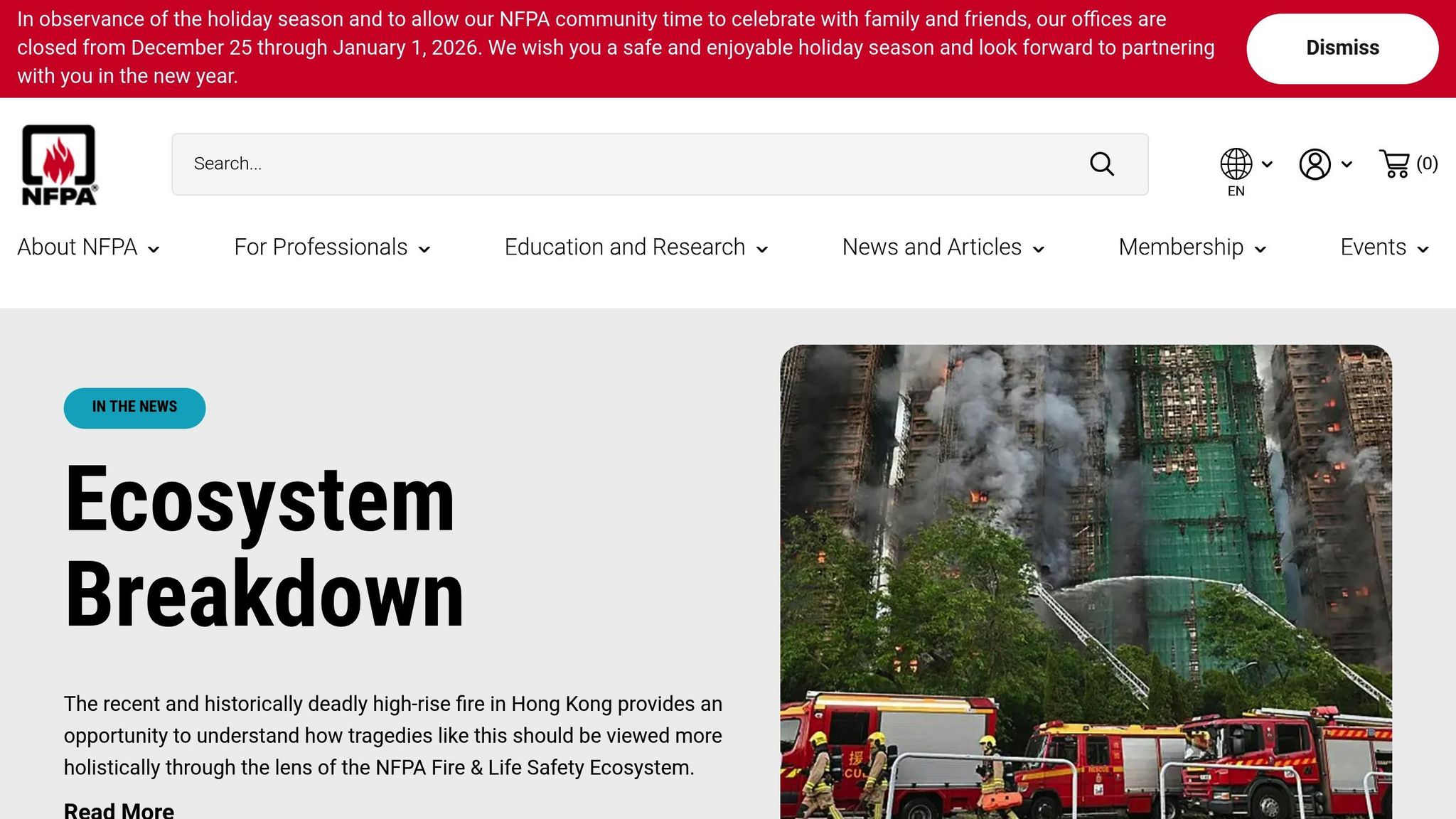
NFPA 855 – Energy Storage Systems (ESS) Training – March 5, 2024
1. Career Paths in Energy Storage
The energy storage industry offers a range of job opportunities and clear paths for career growth, making it an exciting field for both newcomers and those looking to switch careers. Understanding the available roles and how to advance within them is crucial for anyone planning their training and career trajectory in this sector.
Common Job Roles
Installation technicians play a hands-on role in assembling and setting up battery systems. Their work involves managing hardware, following strict safety protocols, and working directly with electrical systems. This position demands physical stamina, attention to detail, and a solid grasp of high-voltage systems, wiring, and industry standards.
System designers and engineers focus on creating energy storage solutions that work seamlessly with existing electrical infrastructure and renewable energy systems. Their expertise spans power system modeling, substation design, HV switchgear, and utility-scale Battery Energy Storage System (BESS) development. Typically, these professionals hold degrees in electrical engineering or related fields and bring years of experience in energy infrastructure projects, ranging from residential setups to large-scale grid installations.
Safety specialists ensure that energy storage projects adhere to electrical codes and workplace safety standards. Their responsibilities include conducting site inspections, developing safety protocols, training teams, and responding to incidents. These roles require in-depth knowledge of OSHA regulations, the National Electrical Code (NEC), and emergency procedures specific to battery systems.
Operations and maintenance technicians monitor the performance of energy storage systems, perform routine maintenance, and address any issues that arise. With the increasing use of data logging and SCADA (Supervisory Control and Data Acquisition) systems, these technicians must be proficient in diagnosing and resolving system problems efficiently.
Project managers oversee the entire lifecycle of energy storage installations, from planning and coordination to execution. They manage teams, budgets, timelines, and client relationships, ensuring projects meet technical and regulatory requirements. This role requires extensive field experience, leadership skills, and business acumen.
Grid connection specialists are a newer but essential role as more energy storage systems integrate with utility grids. These professionals handle tasks like grid protection testing, HV switching, and ensuring smooth connections to the National Grid. Their expertise ensures energy storage systems operate reliably within the broader energy network.
These roles form the backbone of the energy storage workforce, offering a variety of entry points and career paths.
How to Advance Your Career
Advancing in the energy storage field often comes down to a combination of certifications and hands-on experience. For entry-level technicians, starting with basic electrical certifications and OSHA safety training (10- or 30-hour courses) is common. Many begin their careers through apprenticeships or entry-level roles with solar companies, utilities, or energy storage firms, where they gain practical experience working with battery systems and safety protocols.
With two to three years of experience and additional certifications, technicians can move into senior or site lead roles. These positions often require NVQ Level 3 in Electrical Installation and advanced high-voltage training, which comes with greater responsibilities and higher pay.
Mid-career professionals – typically with five to ten years of experience – may specialize in areas like grid connection, BESS operations, or project management. Certifications such as the NABCEP Energy Storage Installation Professional (ESIP), which requires 58 hours of training and OSHA 30 Outreach Training, become valuable at this stage. Many professionals transition into roles that combine technical expertise with leadership responsibilities.
For those aiming for senior engineering or management positions, ten or more years of experience, a bachelor’s degree, and hands-on design expertise are often required. These roles involve designing large-scale systems, managing complex projects, and mentoring junior staff. Credentials like the Certified Energy Manager (CEM) certification help validate expertise in energy auditing and system optimization, further supporting career growth.
The rapid expansion of the energy storage sector offers unique opportunities for workers who prioritize building their skills and certifications. Strong communication and adaptability are key traits for long-term success across all roles.
Platforms like ABLEMKR are helping professionals advance by connecting skilled workers with energy storage projects across the U.S. These platforms match workers to job sites based on certifications, training, availability, and location, exposing them to diverse projects – ranging from residential installations to utility-scale systems – and helping them expand their skills and networks.
The industry also provides opportunities beyond technical roles. Professionals can branch into areas like project development, insurance, finance, policy, or sales. For example, technicians may transition into business development, using their technical expertise to help clients understand energy storage solutions. Others may move into training and education, mentoring the next generation of workers.
Regions such as New York exemplify the growing demand for clean energy jobs, with energy corridors across the U.S. driving the need for skilled workers. Those open to relocating or traveling often find more opportunities and faster career growth, especially in areas with ambitious renewable energy goals and significant infrastructure investments.
2. Prerequisites for Energy Storage Training
Before diving into energy storage training, workers need to meet certain foundational requirements to ensure they’re prepared for the technical and safety challenges of the field.
Required Knowledge and Skills
A strong grasp of electrical theory is a must for anyone stepping into energy storage training. Workers should understand how electricity flows through components like cables, inverters, and control panels. They should also be able to interpret wiring diagrams and control circuits. At a minimum, candidates need high school-level proficiency in science, technology, and math to handle calculations for loads, capacities, and specifications.
In the U.S., basic electrical certifications are often required, along with familiarity with key codes, such as the National Electrical Code (NEC) and NFPA standards. The NEC, particularly its 2020 edition, serves as the reference for NABCEP exams. Additionally, understanding NFPA 855 and NFPA 70E is critical for ensuring safe and compliant installations.
Workers must also have knowledge of high-voltage (HV) systems – up to 33 kV – and grid connection standards, including HV switching and basic grid protection testing. As modern systems increasingly integrate digital tools, basic IT and SCADA skills are becoming essential. Skills in software applications and familiarity with protocols like MODBUS/TCP can set candidates apart.
Physical fitness is another important factor. Workers often need to handle heavy equipment, work at heights, and travel to various sites.
Practical experience is invaluable. Entry-level roles, internships, or apprenticeships provide hands-on exposure to battery systems, tools, and safety protocols. Since energy storage systems frequently integrate with photovoltaic (PV) systems, having a basic understanding of PV technology can also expand a worker’s skill set. To gauge their readiness, workers can compare their electrical knowledge, certifications, and experience against industry standards. Many NABCEP-registered providers offer tools or prerequisite courses to help candidates identify and address skill gaps.
These foundational skills and experiences build the groundwork for advanced energy storage training.
Safety Training Requirements
Beyond technical know-how, comprehensive safety training is essential for energy storage professionals. High-voltage equipment, battery systems, and complex electrical setups come with inherent risks, and proper safety training helps minimize dangers like electrical shocks or equipment damage.
OSHA safety training is widely recognized as a baseline requirement. The OSHA 10-hour program focuses on general workplace safety, while the 30-hour course offers more in-depth training, often suited for supervisory roles. These programs teach workers how to identify hazards, such as arc flash incidents or chemical risks associated with battery systems, and how to manage high-voltage installations safely.
For those pursuing NABCEP Energy Storage Installation Professional (ESIP) certification, completing OSHA 30 Outreach Training is typically required. Specialized training in fire safety and hazard recognition can also be a valuable addition. The National Fire Academy and online NFPA courses address unique risks like thermal runaway in battery systems and emergency response protocols.
Completing OSHA training, paired with foundational electrical certifications, is a practical starting point for building a career in energy storage. In the U.S., meeting these requirements usually takes between six and twelve months, depending on prior experience and the availability of local training programs.
Platforms like ABLEMKR help bridge the gap between qualified workers and energy storage projects across the country. By connecting pre-vetted, safety-trained candidates with job sites, ABLEMKR ensures a smooth and reliable hiring process for both employers and workers.
Meeting these prerequisites opens the door to specialized certifications and hands-on experience in energy storage.
3. Industry Certifications
Once you’ve got the basics of electrical and safety training under your belt, industry certifications are the next step to showcase your expertise. These credentials not only highlight your technical skills but also demonstrate your commitment to meeting safety standards – both of which are crucial for a career in energy storage.
NABCEP Energy Storage Installation Professional (ESIP) Certification
The NABCEP ESIP Certification is widely regarded as the go-to credential for energy storage professionals in the United States. Created by the North American Board of Certified Energy Practitioners (NABCEP) with input from the CREATE Energy Center and the Midwest Renewable Energy Association – and funded in part by a National Science Foundation grant – this certification confirms your ability to design, install, commission, and sell energy storage systems.
To qualify, you’ll need to complete 58 hours of training, which includes a 40-hour course focused on NEC Articles 705, 706, 710, 712, and 625, in addition to OSHA 30 Outreach Training. The program covers advanced system design, installation techniques, commissioning processes, and sales strategies. It also emphasizes safety, with lessons on wire sizing, building and fire codes, and integrating photovoltaic systems with energy storage. NABCEP even offers a practice exam to help you assess your readiness before tackling the official test. This certification ensures you’re equipped to work with both grid-connected and renewable energy systems.
But NABCEP isn’t the only option – you can enhance your skill set with other certifications as well.
Additional Certifications
Expanding your qualifications with additional certifications can make you even more valuable in the energy storage field. For example:
- Training in fire safety and grid connection (including G99/G100 awareness and high-voltage switching up to 33 kV) can open doors to specialized roles. The NFPA also offers online, scenario-based courses to refine your installation techniques.
- Credentials in Battery Management Systems (BMS) and power electronics, offered by organizations like SAE International or IEEE, demonstrate your ability to monitor and optimize battery performance and safety.
- The Certified Energy Manager (CEM) certification from the Association of Energy Engineers highlights your skills in energy auditing, efficiency evaluation, and system optimization.
Hands-on training from manufacturers on containerized systems – covering batteries, inverters, and control systems – is another way to stand out to employers. Similarly, certifications in building codes and LEED principles can help you understand how energy storage fits into larger construction and sustainability projects.
For those eyeing engineering or design roles, expertise in energy modeling and simulation tools is becoming increasingly valuable. Knowledge of software like MATLAB, Simulink, PSCAD, PSS/E, HOMER Energy, and RETScreen – as well as Python skills for data analysis and automation – can set you apart for advanced positions in system design and grid integration.
These certifications collectively build a strong foundation for growth in the energy storage industry. Platforms like ABLEMKR connect certified professionals with energy storage projects across the U.S., making it easier for employers to find highly qualified talent while helping workers land roles that match their skills and certifications.
sbb-itb-aa28329
4. Apprenticeships for Hands-On Experience
Certifications might validate your knowledge, but apprenticeships take things a step further by giving you practical, on-the-job experience. This combination of classroom learning and paid fieldwork not only sharpens your skills but also allows you to earn while you learn. For employers, this hands-on experience is often just as important – if not more so – than certifications.
How Apprenticeships Work
Energy storage apprenticeships split your time between structured classroom sessions and supervised, real-world training. In the classroom, you’ll dive into topics like electrical theory, OSHA safety standards, NEC regulations, and the basics of battery systems. Then, you’ll take that knowledge into the field, working alongside seasoned technicians on actual installations and maintenance tasks.
One major perk of apprenticeships? They’re paid. This means you can develop your skills without taking on the financial burden of tuition. Most programs require you to have a high school diploma or GED, solid math and science skills, and a willingness to work in potentially hazardous settings. Passing background checks and drug screenings is also a common requirement.
During your apprenticeship, you’ll learn how to handle high-voltage systems safely, operate advanced tools like battery management systems and SCADA controls, and interpret wiring diagrams while following standards such as IET and IEC guidelines. You’ll also gain expertise in data collection techniques for monitoring system performance and safety. This mix of classroom theory and practical application is tailored to meet the specific needs of the energy storage industry.
Employers in this field place a high value on real-world problem-solving skills and a strong safety mindset, often prioritizing these over formal credentials. Many apprenticeships even lead directly to full-time roles with the companies that sponsor them.
Once you complete your apprenticeship, you’ll typically earn several industry-recognized qualifications. These may include an NVQ Level 3 in Electrical Installation, compliance with 18th Edition Wiring Regulations, and OSHA safety certifications (like 10-hour or 30-hour courses). Depending on the program, you might also gain specialized credentials in high-voltage switching, grid code awareness (G99/G100), or battery management systems.
After earning these qualifications, platforms like ABLEMKR can help you transition into full-time roles. ABLEMKR connects skilled, pre-vetted workers with energy storage projects across the U.S., matching you to opportunities based on your certifications, safety training, availability, and location.
5. Specialized Training Programs
Once you’ve gained practical experience, advanced training can take your expertise in energy storage systems, codes, and technologies to the next level. Choosing the right program helps refine your skills and prepares you for the demands of the market.
NABCEP-Registered Provider Courses
NABCEP-registered providers offer Advanced Energy Storage Certification Training, designed to prepare you for the NABCEP Energy Storage Installation Professional (ESIP) Certification Exam. These courses cover critical topics such as Energy Storage Systems, relevant sections of the National Electrical Code (NEC) (Articles 705, 706, 710, 712, and 690 for photovoltaic integration), and best practices for system design, installation, commissioning, and sales. The training is centered around the Job Task Analysis (JTA), which outlines the key competencies required for this role. Training hours can also count toward other NABCEP certifications and continuing education credits.
Before enrolling, ensure you have access to the 2020 National Electrical Code and applicable NFPA standards, as these materials are essential for the ESIP exam preparation and practical application in the field.
Grid-Connected and Battery Technology Training
Building on your apprenticeship, specialized training hones your technical skills in two essential areas: grid-connected systems and battery technologies.
- Grid-Connected Systems: This training focuses on how energy storage integrates with utility grids. You’ll learn about grid code standards, high-voltage switching procedures, protection testing, relay operations, and protocols like G99/G100, which are critical for safely commissioning grid-connected projects. This foundational knowledge ensures that energy storage systems operate reliably and within established grid parameters.
- Battery Technologies: Dive into the specifics of battery chemistry, management systems, and performance characteristics. Topics include battery management systems (BMS), power electronics, thermal management, state-of-charge regulation, and factors influencing battery degradation. Understanding these concepts is crucial for maintaining system performance and troubleshooting issues.
These two areas are deeply interconnected, as grid-connected systems and battery technologies often work together on job sites. For example, troubleshooting may require isolating high-voltage cables while assessing the impact of battery management systems.
Training providers like DNV offer courses that combine technical instruction with practical case studies, covering topics such as grid-connected systems, risk assessment, safety protocols, and market economics. Additionally, organizations like NFPA and the National Fire Academy provide training focused on safety practices for energy storage systems, which require unique precautions since they cannot always be fully de-energized.
Hands-On Training and IT Skills
For practical experience, look for training centers that provide direct interaction with leading residential battery energy storage systems. Programs often include hands-on work with products from top manufacturers like Tesla, Panasonic, and Generac. These sessions teach installation procedures, commissioning protocols, and troubleshooting techniques.
As the industry evolves, knowledge of data logging and SCADA (Supervisory Control and Data Acquisition) systems has become increasingly important. Effective training should also include IT skills and advanced protocols like MODBUS/TCP. Additionally, learning to use data analysis tools such as MATLAB, Simulink, PSCAD, PSS/E, HOMER Energy, RETScreen, and Python can open doors to roles in engineering or project management.
With these specialized skills, you’ll be well-prepared to transition into the field. Programs like ABLEMKR can help you immediately apply your expertise to energy storage projects across the country.
6. Using Workforce Platforms for Job Placement
Once you’ve earned your technical and safety certifications, the next step is connecting with employers. Workforce platforms make this process faster and more efficient, bridging the gap between training and real-world job opportunities in the energy storage industry. These tools can help you seamlessly transition from learning to earning, setting you up for success in this growing sector.
How ABLEMKR Supports Energy Storage Careers
ABLEMKR is a mobile-first workforce deployment platform tailored for industries like energy storage, where demand for skilled workers is high and projects often come with tight deadlines. Whether it’s a planned battery energy storage system (BESS) installation or emergency maintenance at a grid-connected facility, ABLEMKR simplifies crew mobilization to keep projects on track.
The platform’s matching technology is its standout feature. When you sign up, you input your qualifications – such as NABCEP ESIP certification, HV switching authorization, OSHA safety training, or other credentials. ABLEMKR then cross-references your skills with job requirements posted by energy storage employers across key U.S. regions. This automated process eliminates the delays caused by manual credential checks.
For example, if a large-scale BESS project in Texas needs technicians with G99/G100 grid code awareness, relay protection testing expertise, and HV switching authorization, ABLEMKR ensures only qualified workers are matched to the job. The platform also keeps your certification records up to date, so you’re always ready for your next opportunity.
Location-based matching is another advantage. Workers in Texas might find roles tied to wind farm integration, while those in California could connect with solar-plus-storage projects. This geo-targeting reduces travel time and helps you find jobs closer to home – or farther afield if you’re looking for higher-paying opportunities.
Even better, ABLEMKR makes it easy to see how gaining additional certifications can expand your job options. By tracking your credentials and showing which skills are in demand, the platform helps you map out a clear path for career growth.
Benefits for Workers and Employers
ABLEMKR offers practical advantages for both workers and employers, streamlining the hiring process and addressing common challenges in the energy storage industry.
For workers, the platform delivers:
- On-time payments: No more waiting weeks for your paycheck, which is a big help when managing training and certification expenses.
- Quick job placement: Put your skills to use almost immediately after completing a NABCEP-registered course or earning your ESIP certification.
- Flexible opportunities: Whether you want to stay local or travel for higher-paying jobs, the platform connects you to projects across the U.S. The mobile app lets you track work hours, manage appointments, and communicate with project managers – all from your phone.
- Career insights: By browsing job listings, you can identify which certifications are most in demand and prioritize your next steps accordingly.
Employers benefit just as much. ABLEMKR helps energy storage companies by providing:
- Real-time worker status updates: Employers can quickly verify that workers meet safety and regulatory standards, including compliance with NEC, NFPA 855, and NFPA 70E.
- Faster hiring: Pre-vetted, certified workers can be mobilized in hours instead of weeks, whether for planned installations or emergency repairs.
- Streamlined operations: The platform simplifies onboarding, credential verification, compliance tracking, and payroll, all from one easy-to-use interface.
With ABLEMKR, energy storage companies can scale their workforce efficiently, keeping projects staffed without the expense of maintaining a large permanent team. For workers, it’s a tool that not only connects you to jobs but also helps you build a long-term career in this dynamic industry.
Conclusion
Getting started in the energy storage industry calls for a well-thought-out plan. The first step is completing OSHA safety training, which lays the groundwork for understanding workplace safety standards. From there, dive into electrical education through trade programs or community college courses. These should cover essential topics like basic electrical principles, renewable energy systems, and the National Electrical Code.
Earning the NABCEP ESIP certification can significantly enhance your career prospects. This credential, recognized across the industry, shows employers you’re prepared for professional-level tasks. But certifications alone aren’t enough – hands-on experience is just as important. Look for apprenticeships or internships where you can work directly with battery systems and develop troubleshooting skills that go beyond what you’ll find in a classroom.
Once your training and certifications are in place, it’s time to connect with employers. Digital platforms like ABLEMKR simplify this process by linking your qualifications with energy storage companies across the U.S. Their automated matching system and mobile-first design make finding opportunities more efficient, so you can focus on launching your career.
The energy storage field is growing rapidly in the U.S., fueled by the shift to renewable energy and the need for a more flexible grid. By investing in the right training now, you’ll be setting yourself up for a long and rewarding career in an expanding industry. Start by enrolling in OSHA safety training and looking into NABCEP courses to gain the skills employers are seeking.
FAQs
What certifications do I need to start a career in energy storage systems?
To kick off a career in energy storage systems, securing the right certifications is essential. A good starting point is OSHA safety training, such as OSHA 10 or 30, which is often a must for working on industrial job sites. From there, aim for certifications tailored to energy storage, like the NABCEP Energy Storage Specialist (ESS) certification, which highlights your expertise in battery storage systems.
Adding certifications in electrical systems – such as NEC compliance or a journeyman electrician license – and renewable energy technologies can further boost your qualifications. Employers also highly value hands-on experience, so look for training programs that blend classroom learning with practical, real-world applications.
Platforms like ABLEMKR can connect you with projects that match your skills and certifications, helping you tap into high-demand roles in the energy sector.
How can an apprenticeship in energy storage systems improve your career opportunities compared to just earning certifications?
An apprenticeship in energy storage systems provides hands-on experience that certifications alone can’t match. By actively working on real projects, you develop practical skills, gain industry-specific knowledge, and learn how to apply theory in ever-changing, real-world scenarios.
Employers highly regard apprenticeships because they show you can handle tasks in real conditions while working alongside seasoned professionals. This blend of practical experience and mentorship not only boosts your expertise but also makes you stand out as a strong candidate in the expanding energy storage industry.
How does ABLEMKR help certified professionals find energy storage job opportunities?
ABLEMKR makes it easier to connect skilled workers with essential energy storage projects. The platform matches professionals based on their certifications, safety training, availability, and location, ensuring the right people are placed where they’re needed most – quickly and efficiently.
For workers, ABLEMKR opens the door to high-paying opportunities and ensures payments are always on time. Employers, on the other hand, enjoy a smoother hiring process, real-time updates on worker availability, and built-in tools for tracking compliance. It’s a win-win for navigating the increasing demand in energy storage and related fields.


