
Why do multilingual features matter in staffing apps? They eliminate language barriers, making it easier for workers to find jobs, complete training, and stay safe on the job. For employers, these features streamline hiring, improve safety compliance, and reduce costly mistakes caused by miscommunication.
Key takeaways:
- Workers benefit from job applications, safety protocols, and training materials in their preferred language, leading to better job matches and career growth.
- Employers gain access to a larger talent pool, reduce onboarding costs, and improve workplace safety and efficiency.
- Industries like construction and energy see fewer accidents and delays when language barriers are addressed.
Staffing apps with multilingual tools – like real-time translation and customizable language settings – help workers and employers connect effectively, ensuring smoother operations and safer workplaces.
Language Barriers Create Problems in Blue-Collar Staffing
When workers and employers struggle to communicate, the challenges go far beyond simple misunderstandings. In blue-collar industries, where safety and precision are non-negotiable, language barriers can lead to serious problems that affect everyone on the job. These gaps can slow productivity, increase safety risks, and drive up costs.
The stakes are even higher in high-risk fields like construction, energy, and mining. Miscommunications in these industries can result in accidents, regulatory violations, and project delays. Workers who have trouble navigating English-only systems may miss out on opportunities or fall short of their potential, while employers face inefficiencies and compliance headaches. The consequences touch both individual workers and overall business operations.
How Language Barriers Affect Workers
For workers, not being fluent in English can be a major roadblock, starting with the job search itself. Many skilled candidates with certifications and valuable experience are often overlooked because they struggle to navigate English-only application systems or fully grasp job descriptions.
The challenges don’t stop there. Onboarding can feel like a minefield when safety training, compliance documents, and job instructions are only provided in English. Workers might find it hard to complete certifications or understand critical safety protocols, leaving them at a disadvantage from the very beginning. This can create stress, lower confidence, and ultimately impact their performance.
On the job, language gaps make it harder for workers to ask questions, report safety concerns, or clarify instructions. This hesitation can lead to mistakes, accidents, or subpar work. Beyond daily tasks, career growth can also be stunted. Workers who can’t effectively communicate their skills or experience may miss out on promotions or higher-paying roles, leaving their potential untapped and their talents underutilized.
How Language Barriers Affect Employers
The challenges created by language barriers don’t just affect workers – they also create significant operational hurdles for employers. Hiring becomes more complicated when skilled candidates struggle to communicate their qualifications or complete application processes. This often shrinks the talent pool and prolongs the time it takes to fill crucial roles.
Safety risks also rise when workers don’t fully understand protocols, equipment instructions, or emergency procedures. In industries like oil and gas or mining, even a small miscommunication can have serious consequences.
Onboarding and training costs can skyrocket as employers spend more time and resources ensuring workers understand their responsibilities. Supervisors may need to repeatedly explain tasks, which slows down productivity and increases labor expenses. When communication barriers prevent workers from performing at their best, overall task management and quality of work suffer.
Turnover is another costly issue. Workers who feel excluded or frustrated due to communication challenges are more likely to leave in search of jobs where they feel more valued and understood. This churn can disrupt operations and increase recruitment costs.
Compliance is yet another area where language barriers create headaches. In regulated industries, accurate documentation and adherence to safety standards are critical. Workers who don’t understand compliance requirements or struggle with paperwork can expose employers to regulatory violations and penalties.
Finally, poor communication can lead to mistakes, rework, and safety incidents, all of which can cause project delays and budget overruns. These ripple effects make language barriers more than just a human resources issue – they’re a business problem that can affect timelines, costs, and overall success.
Benefits of Multiple Language Support in Staffing Apps
When staffing apps embrace multiple language support, they don’t just translate words – they transform how workers and employers connect. By breaking language barriers, these apps create smoother operations, better opportunities, and stronger workplace relationships for everyone involved.
Better Access for Workers
Language barriers can make it tough for qualified workers to find the right roles. But with multilingual support, workers can easily navigate job searches, complete applications, and manage their profiles in the language they’re most comfortable with. This makes it far easier for them to find jobs that match their skills and experience.
The onboarding process also becomes much simpler. Workers gain access to training materials, safety protocols, and compliance documents in a language they fully understand. Real-time updates – like schedule changes, safety alerts, or job instructions – are delivered clearly, ensuring workers stay informed and ready. This clarity boosts their confidence in completing certifications and responding to critical updates, improving overall readiness.
Beyond onboarding, career growth becomes more attainable. Workers can better communicate their certifications, experience, and availability, increasing their chances of landing higher-paying roles or specialized projects suited to their expertise.
Better Operations for Employers
For employers, multilingual staffing apps unlock access to a broader and more diverse pool of qualified candidates. With multilingual support, employers can connect with workers they might not have reached otherwise, speeding up placements and expanding their talent options. This is especially valuable for regional employers or businesses operating in diverse markets, as it strengthens their ability to compete effectively.
Safety and compliance improve significantly when workers fully understand procedures in their native language. Clear communication reduces the chances of accidents, regulatory issues, and costly mistakes. Workers are more likely to follow safety instructions correctly and report hazards promptly, creating a safer workplace for everyone.
Training also becomes more efficient. With fewer misunderstandings, there’s less need for repeated explanations, which speeds up deployment and reduces administrative costs. Additionally, offering inclusive language options fosters greater worker satisfaction, leading to lower turnover and fewer disruptions to ongoing projects.
| Benefit Area | Worker Impact | Employer Impact |
|---|---|---|
| Workforce Readiness | Faster certification completion | Reduced training overhead |
| Safety Protocols | Better understanding of procedures | Fewer compliance violations |
| Career Growth | Access to specialized roles | Higher-quality placements |
| Workplace Integration | Increased job satisfaction | Lower recruitment costs |
These improvements ripple through every stage of the staffing process. Projects run more smoothly, deadlines are met with greater consistency, and trust grows between workers and employers. When language is no longer an obstacle, the focus shifts to what truly matters – connecting skilled workers with the right opportunities and ensuring work gets done safely and efficiently. This sets the stage for even more advanced features that staffing apps can offer in the future.
Required Multiple Language Features for Staffing Apps
To address communication challenges in staffing, apps must include features that go beyond simple translation. A well-rounded approach ensures that language barriers don’t interfere with productivity, safety, or career growth. Below are key features that demonstrate how real-time tools and thoughtful translation can create a more inclusive and efficient staffing platform.
Translating the User Interface
A fully translated user interface (UI) involves much more than just converting menu labels or button text. Every part of the platform – job postings, safety guidelines, and onboarding materials – needs to be translated accurately and aligned with cultural nuances. This ensures workers can clearly understand job requirements and safety protocols.
For example, platforms offering interfaces in languages like English, Spanish, and Japanese have reported easier recruitment, faster task assignments, and better-quality hires. Additionally, translating essential documents like contracts, pay stubs, and benefits information allows workers to fully understand their rights, responsibilities, and compensation.
Real-Time Communication Tools
Real-time communication with built-in translation features is crucial for bridging language gaps between workers and employers. Tools like AI-driven scheduling assistants can send updates in multiple languages, ensuring workers receive vital information in their preferred language. Similarly, emergency alerts translated in real time ensure that all employees can take appropriate action during critical situations.
Message translation tools also allow supervisors and team members to exchange updates – such as changes to safety protocols or project instructions – quickly and clearly, minimizing misunderstandings.
Language Preference Settings
Customizable language settings give users control over their experience. Staffing apps with centralized communication hubs can automatically apply a user’s preferred language across all interactions. For employers, verifying a candidate’s language skills can help match them to roles requiring bilingual or multilingual abilities.
Real-Time Translation APIs
Integrating real-time translation APIs ensures that new content, updates, and communications are instantly accessible in multiple languages. This feature guarantees that users can stay informed, regardless of their language preferences.
sbb-itb-aa28329
How ABLEMKR Supports Workforce Success
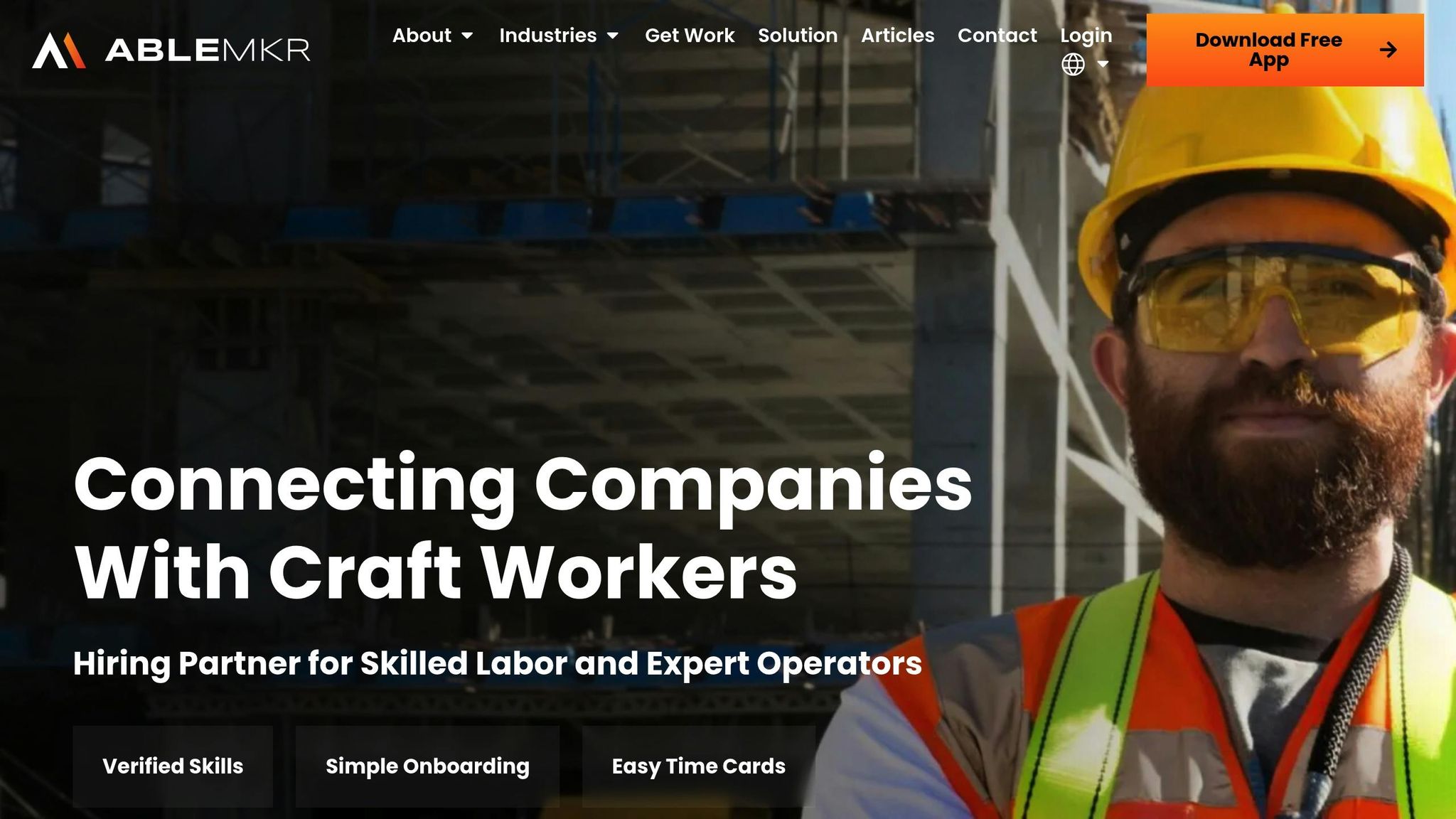
ABLEMKR’s mobile-first platform simplifies workforce management for industries where demand and risk are high, such as construction, energy, and extractives. By tackling common communication and operational hurdles, the platform promotes safety, boosts productivity, and supports career growth. Its features ensure seamless mobilization for critical projects across the United States, helping teams stay ready and safe.
Simplifying Worker Onboarding
Getting workers up to speed quickly is essential, and ABLEMKR’s onboarding system makes it easy. Workers can upload certifications, verify safety training, and create profiles in their preferred language – all in just a few steps.
The platform provides instant access to essential documents, speeding up certification uploads and ensuring workers fully understand employment terms. Its geo-location matching feature connects workers with job opportunities by offering clear details about project requirements, safety protocols, and pay. This not only cuts down onboarding time but also improves the accuracy of job matches, ensuring workers are ready for critical assignments.
Better Safety and Compliance
In high-risk industries, clear communication about safety is non-negotiable. ABLEMKR ensures that essential safety protocols reach every team member quickly and accurately. Supervisors can use the built-in compliance tracking system to confirm that workers meet all necessary certifications and safety standards.
The platform also sends real-time safety alerts and emergency updates directly to workers’ mobile devices, helping them respond effectively during urgent situations. With language support built into the system, these alerts are accessible to everyone, regardless of their native language. Additionally, ABLEMKR keeps a record of safety training and compliance, helping both workers and employers meet regulatory requirements and maintain a safe work environment.
More Talent Options for Employers
ABLEMKR doesn’t stop at onboarding and safety – it also broadens employers’ access to skilled talent. The platform’s automated job matching considers factors like certifications, safety training, and availability, connecting employers with a diverse pool of pre-vetted professionals. Real-time updates on worker availability help employers make smarter decisions about crew assignments.
When specialized skills are needed for last-minute projects or urgent shutdowns, ABLEMKR’s job posting system reaches a wider audience, speeding up crew assembly and improving skill alignment. This helps avoid costly delays. On top of that, the platform’s transparent cost structure and real-time invoicing simplify financial processes, reducing administrative headaches and building trust between employers and workers.
The Future of Multiple Language Support in Staffing Technology
In today’s increasingly diverse workforce, staffing platforms must rise to the challenge of breaking down language barriers. Clear communication – especially when it comes to safety-critical information on job sites – is non-negotiable. Emerging advancements like AI-driven translation tools and mobile-friendly solutions are paving the way to meet these needs.
AI-Driven Translation and Communication
Real-time translation tools have already made a mark, but the next wave of AI-powered translation technology promises even more. These tools aim to deliver seamless, real-time multilingual communication, ensuring that safety instructions and operational updates are understood across languages. While the finer details of these advancements are still unfolding, the potential for context-aware communication to improve clarity and precision is undeniable.
Advancing Mobile-First Solutions
Mobile-first design has become a cornerstone for staffing platforms, particularly for workers in the field. ABLEMKR’s dedication to this approach reflects its understanding of the workforce’s needs. Looking ahead, future updates could introduce expanded language features, making it easier for workers to access essential information. This might include smarter language selection settings and improved functionality in areas with inconsistent connectivity – ensuring workers stay informed and safe no matter where they are.
Conclusion: Supporting Workers Through Multiple Language Staffing Apps
Staffing platforms with multilingual features are not just a nice-to-have – they are a necessity for today’s diverse blue-collar workforce. When workers can access job applications, safety guidelines, and communication tools in their native language, the hiring process becomes smoother and more inclusive. This shift doesn’t just benefit workers; it also improves the way employers operate.
For employers, these platforms open the door to larger talent pools and help minimize miscommunication, which can otherwise lead to safety issues or project delays. Real-world examples highlight how multilingual tools, like interview scheduling and notification systems, significantly improve hiring outcomes by reducing misunderstandings.
Looking ahead, AI-driven translation tools and advanced mobile technologies hold even more potential. Workers in remote locations – whether on oil rigs or mining sites – could experience better connectivity and smarter language options tailored to their needs and environments.
FAQs
Why are multilingual features essential for safety and compliance in staffing apps for high-risk industries?
Multilingual capabilities in staffing apps play a key role in ensuring workers, no matter their native language, can clearly understand safety protocols, compliance rules, and job expectations. This is especially important in high-risk industries like construction and energy, where effective communication can greatly reduce workplace accidents and ensure regulations are followed.
By offering content tailored to workers’ preferred languages, these apps minimize misunderstandings that could otherwise lead to costly mistakes or safety issues. This not only safeguards employees but also helps employers stay aligned with industry standards and legal requirements. The result? A safer, more efficient workplace for everyone.
How do multilingual features in staffing apps enhance communication between workers and employers?
Multilingual features in staffing apps are essential for breaking down communication barriers between workers and employers, particularly in industries with a diverse workforce. These apps often include tools like real-time translation and interfaces tailored to different languages, making it easier for workers to access job details, safety guidelines, and compliance information in the language they’re most comfortable with.
This approach not only boosts clarity and minimizes misunderstandings but also creates a more welcoming and inclusive workplace. For employers, the benefits are clear – streamlined onboarding, better worker engagement, and smoother day-to-day operations. In industries like construction or energy, where precise communication is non-negotiable, multilingual functionality can make a huge difference.
How can employers evaluate the impact of multilingual features in staffing apps on their workforce and operations?
Employers can gauge how well multilingual features are working by keeping an eye on key metrics like employee engagement, task completion rates, and feedback from both staff and management. For example, tracking whether employees respond more positively to job postings or onboarding materials presented in their preferred language can reveal important trends.
Surveys or interviews with employees can also shed light on whether language accessibility helps minimize misunderstandings and boosts overall job satisfaction. From an operational perspective, businesses can evaluate whether these multilingual tools result in faster hiring processes, improved compliance, or fewer communication errors – benefits that can enhance outcomes for both the workforce and the organization as a whole.


