
When working in the energy sector, choosing the right safety boots is critical to stay protected and comfortable. The risks include electrical hazards, heavy impacts, slips, chemical exposure, and extreme temperatures. Here’s how to make the best choice:
- Safety Features: Reinforced toe caps (steel, composite, or aluminum), slip-resistant soles, puncture-resistant midsoles, and metatarsal guards.
- Electrical Protection: Electrical Hazard (EH) boots for insulation or Static Dissipative (SD) boots to reduce static buildup.
- Materials: Heat-resistant soles for hot environments, insulated boots for cold conditions, and chemical-resistant materials for hazardous substances.
- Standards: Look for ASTM F2413 certification to ensure compliance with U.S. safety standards.
- Fit and Comfort: Ensure a snug fit with cushioned insoles and proper arch support for long shifts.
The right boots protect against job-specific hazards while keeping you comfortable and meeting workplace safety requirements.
Job Hazards in Energy Work
Common Workplace Hazards
Working in the energy sector comes with its fair share of risks, many of which can directly affect your feet. Recognizing these hazards is the first step in choosing the right protective footwear. Key risks include impact injuries, puncture wounds, slips and falls, electrical dangers, chemical exposure, extreme temperatures, and metatarsal injuries. Let’s break these down.
Impact injuries are a frequent issue, often caused by dropped tools, falling equipment, or heavy machinery. Falling objects can lead to serious harm if your feet aren’t properly protected.
Puncture wounds are another common threat. Sharp debris, exposed rebar, and construction materials can easily penetrate unprotected soles, especially in active construction zones or during facility setup.
Slips and falls are a constant concern in energy environments. Wet surfaces, spills, and condensation make slip-resistant treads essential for maintaining stability and reducing accidents.
Electrical hazards are critical to address, particularly for those working near high-voltage equipment. Properly insulated boots are a must, even in areas with lower electrical exposure.
Chemical exposure can also be dangerous. Boots made from materials resistant to oils, acids, and other harmful substances are vital for ensuring safety.
Extreme environmental conditions are another factor. In hot environments like steam plants, heat-resistant materials are necessary, while cold climates or high-altitude locations demand insulated boots to keep feet warm and comfortable.
Metatarsal injuries – caused by heavy objects striking the upper foot – are a serious risk. Boots with metatarsal guards offer extra protection in these vulnerable areas.
By understanding these risks, you can focus on finding boots that address the specific hazards you face on the job.
Matching Hazards to Boot Features
The right boots can make all the difference when it comes to workplace safety. Matching specific hazards to the appropriate footwear features ensures maximum protection.
For impact injuries, look for boots with reinforced toe caps. Composite toe options are a great choice for cold environments or jobs near electrical equipment since they don’t conduct heat or electricity.
To guard against puncture wounds, choose boots with puncture-resistant midsoles. These are designed to shield your feet from sharp objects like nails or debris.
When it comes to slips and falls, tread patterns matter. Deep lugs work well on uneven, muddy, or loose surfaces, while specialized rubber compounds with lower-profile treads are better for smooth, oily areas.
For electrical protection, make sure your boots meet the required insulation standards for the voltage levels in your work environment. This is non-negotiable in high-voltage settings.
If chemical exposure is a concern, select boots made from materials specifically resistant to substances like oils and acids. These materials help prevent damage and keep your feet safe.
In extreme temperatures, the right materials are key. Heat-resistant soles are ideal for hot conditions, while insulated boots with moisture-wicking liners provide comfort and warmth in cold environments.
Lastly, for jobs involving heavy equipment or large components, consider boots with metatarsal guards. These provide added protection for the upper part of your foot, reducing the risk of injury.
Product Spotlight: Tingley Flite Safety Toe Work Shoes
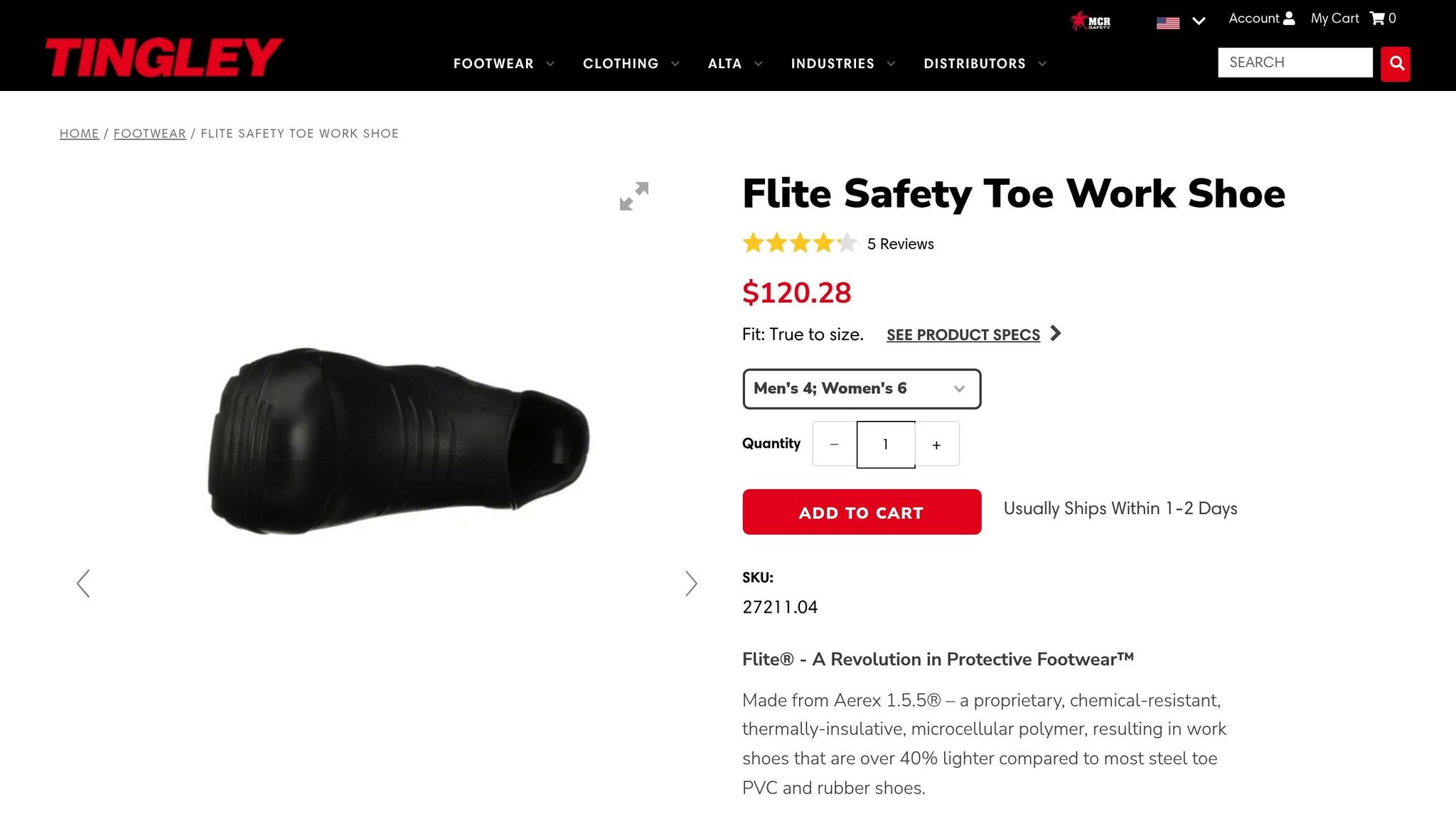
Safety Standards and Compliance Requirements
Safety standards are essential for protecting workers and ensuring employers meet regulatory requirements. In the U.S., companies in the energy sector must provide workers with protective footwear that aligns with established safety guidelines. These measures aim to minimize both the risk of workplace foot injuries and the financial consequences that can follow.
ASTM F2413 and OSHA Requirements
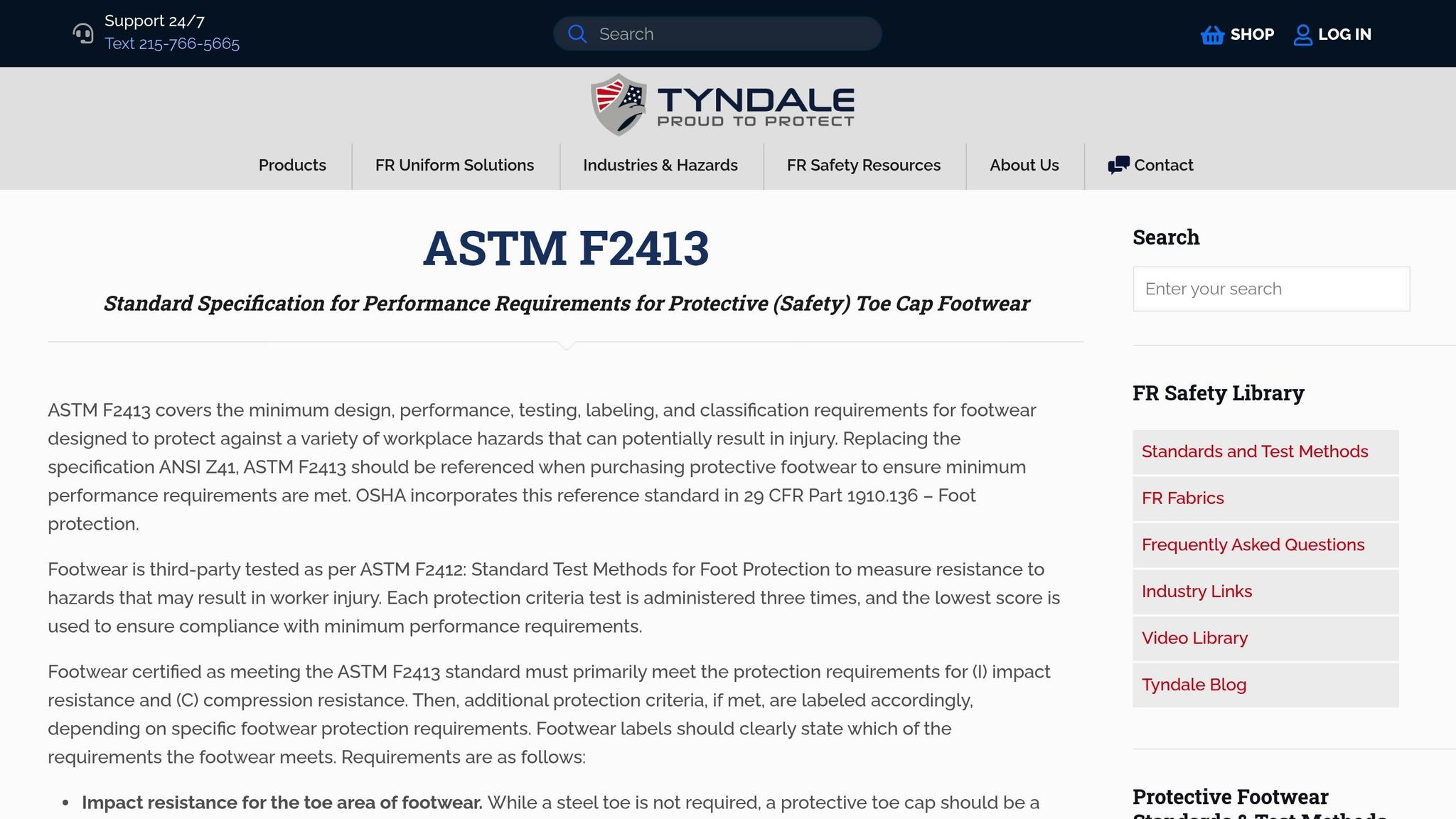
In the United States, the ASTM F2413 standard outlines the key safety criteria for protective footwear. It sets minimum performance requirements for boots used in various hazardous work environments. Footwear labeled with an ASTM F2413 certification has been tested to withstand common workplace dangers.
OSHA, while not creating its own footwear standards, relies on ASTM F2413 as the industry benchmark. According to OSHA Section 1926.95, employers are required to ensure workers exposed to risks like falling objects, rolling hazards, or sharp materials wear suitable protective footwear.
The ASTM F2413 standard covers several critical safety features, including impact and compression resistance, puncture protection, and electrical properties like static dissipation or conductivity. Certified boots include markings that detail the specific protections they offer, so it’s vital to check these labels when choosing safety footwear.
Next, let’s look at how specialized boots handle electrical hazards in the workplace.
Electrical Safety Categories
Footwear designed for electrical safety generally falls into two main categories, each tailored to specific risks in the energy sector.
- Electrical Hazard (EH) Boots: These boots are made to insulate the wearer from electrical shock. Their non-conductive soles and heels block electrical current, making them essential for tasks near energized equipment or power lines.
- Static Dissipative (SD) Boots: Unlike EH boots, SD footwear is designed to safely channel static electricity away from the body. This prevents a dangerous buildup of static while maintaining controlled electrical resistance. SD boots are crucial in environments where static discharge could ignite flammable materials or damage sensitive equipment.
The type of footwear required – EH or SD – depends on the specific hazards present in the workplace. Always match the boot type to the risks of your work environment.
Although U.S. standards dominate the market, international certifications also offer comparable levels of protection.
Understanding International Standards
While ASTM F2413 and OSHA guidelines are the primary references for U.S. workplaces, you may encounter safety footwear certified under international standards. For instance:
- European EN ISO 20345: This standard categorizes boots into groups (S1, S2, S3), offering varying levels of protection. These range from basic toe protection with antistatic properties to advanced features like water resistance and puncture-proof soles.
- Canadian CSA Standards: Footwear certified under CSA Z195 often meets or exceeds ASTM F2413 requirements. This makes CSA-certified boots a reliable choice for projects involving cross-border teams.
When considering internationally certified footwear, ensure it also complies with ASTM F2413. Always consult your safety manager to confirm that the certifications meet your company’s requirements before making a decision.
sbb-itb-aa28329
Materials and Protective Features
The materials and protective features of safety boots play a huge role in keeping you safe and comfortable during long shifts in demanding energy work environments. Knowing the differences between these materials can help you choose boots that best match your job’s specific hazards and conditions.
Toe Protection Types
Safety boots come with three main types of toe protection, each designed for different workplace hazards.
Steel toe caps are a go-to choice in energy work due to their strength and ability to withstand heavy impacts from tools or machinery. They also offer excellent compression protection. However, steel conducts heat and electricity, making it less ideal for extreme temperatures or electrical work.
Composite toe caps are crafted from materials like Kevlar, fiberglass, or carbon fiber. They don’t conduct heat, cold, or electricity, making them a better option for electrical work or extreme temperature environments. They’re also lighter than steel, which helps reduce foot fatigue during long shifts. On the downside, they tend to cost more and may not handle extreme impacts as well as steel.
Aluminum toe caps strike a balance between steel and composite options. They’re lighter than steel but still strong enough for solid protection. Plus, aluminum doesn’t rust, making it a smart pick for wet or corrosive settings. However, like steel, aluminum conducts heat and electricity, so it’s not the best choice for electrical hazards.
| Toe Type | Pros | Cons | Best For |
|---|---|---|---|
| Steel | Strong impact protection; affordable | Heavy; conducts heat and electricity | Construction and heavy equipment work |
| Composite | Lightweight; non-conductive; resists temperature extremes | Higher cost; less impact resistance in extreme cases | Electrical work and extreme temps |
| Aluminum | Lightweight; resists rust | Conducts heat and electricity | Wet or corrosive environments |
Toe protection is just one piece of the puzzle. The outsole design is equally critical for preventing slips and falls.
Outsoles and Slip Resistance
The outsole material and tread design are key to staying safe on the various surfaces you encounter in energy work. These features help combat slip and puncture hazards.
- Oil-resistant rubber outsoles: Essential for energy jobs, these maintain grip when exposed to petroleum products, hydraulic fluids, and similar substances.
- Nitrile rubber outsoles: Offer superior resistance to chemicals like oils and fuels. They also stay flexible across different temperatures, making them a great fit for refineries, pipeline work, and offshore drilling.
- Thermoplastic polyurethane (TPU) outsoles: Known for durability and abrasion resistance, these outsoles grip well on concrete, metal grating, and rough surfaces. They’re also resistant to cuts and punctures.
Tread design matters, too. Deep, multi-directional lugs improve traction on uneven terrain, while self-cleaning treads prevent mud, debris, and stones from building up, keeping your grip steady all day.
Extra Protective Features
In addition to toe and outsole safety, other features address specific hazards you might face on the job.
- Puncture-resistant midsoles: Protect your feet from sharp objects like nails or metal shards. Steel midsoles offer strong protection but add weight and conduct heat, while composite midsoles are lighter and more flexible.
- Waterproofing: Crucial for outdoor or wet environments, waterproof boots with sealed seams and breathable membranes keep water out while letting moisture escape, helping reduce sweat buildup.
- Insulation: Shields against extreme temperatures. Thinsulate insulation is great for cold conditions, while heat-resistant insoles and reflective barriers protect against hot surfaces and radiant heat in warmer environments.
- Metatarsal guards: Protect the top of your foot from falling objects or compression injuries. These guards, made from steel, aluminum, or composite materials, are especially useful in areas with overhead hazards.
- Ankle support: Features like padded collars, reinforced heel counters, and higher boot heights provide extra stability and protection, especially on uneven terrain or when handling heavy equipment.
When combined, these features create a comprehensive safety system designed to handle the impacts, chemical exposure, and environmental challenges that energy workers face daily.
Fit, Comfort, and Durability
While protective materials and safety features shield you from workplace hazards, the way your boots fit and support your feet is just as crucial. A secure fit and proper ergonomic support are key to staying safe and comfortable during long, demanding shifts. Wearing boots that don’t fit well can lead to discomfort, fatigue, and even increase the likelihood of accidents.
Proper Fit and Sizing
Safety boots need to strike the right balance between roominess and security. Your toes should have enough space to move freely, while the heel should fit snugly to prevent slipping and blisters. When boots fit properly and are designed with ergonomic principles in mind, they help reduce fatigue, lower the chance of injuries, and improve overall safety on the job.
Comfort and Support Features
When you’re on your feet for extended hours, comfort becomes non-negotiable. Features like cushioned insoles and adequate arch support can make a world of difference. Breathable materials and proper ventilation are also important – they help keep your feet cool and dry by reducing heat and sweat buildup.
Construction and Care
The way your boots are made plays a big role in how long they last and how easy they are to maintain. High-quality methods like Goodyear welt or direct-attach construction not only improve durability but also make repairs easier. To keep your boots in good shape, clean them regularly, dry them properly, and condition leather parts occasionally. Rotating between a couple of pairs also gives each one time to fully dry, which helps prevent wear and keeps them more hygienic.
Conclusion
Selecting the right safety boots for energy jobs isn’t just about checking a box – it’s about ensuring you’re protected, comfortable, and ready to tackle the demands of your work environment. To make the best choice, focus on four key areas: understanding the hazards you face, meeting safety standards, choosing the right materials, and ensuring a proper fit that stands up to wear and tear.
Start with compliance. Standards like ASTM F2413 and OSHA requirements aren’t just guidelines – they’re your first line of defense against serious injuries. Boots designed to meet these standards are built to protect you from the specific risks of your job, so always verify they meet these critical benchmarks.
The materials and construction of your boots also play a huge role in their effectiveness. Steel toes are great for heavy-duty impact protection, while composite materials offer a lighter alternative for long hours on the job. Features like slip-resistant outsoles, metatarsal guards, and puncture-resistant plates provide additional layers of safety, tailored to the unique challenges of your work environment. But remember, even the most advanced features mean little if the boots don’t fit well or provide the support you need.
Proper fit and durability are non-negotiable. Boots that are the right size, offer ergonomic support, and are built to last are an investment in your safety and comfort – especially during those grueling shifts.
For energy workers using ABLEMKR, job postings with clear PPE specifications make it easier to choose boots that meet safety standards from the start. This transparency helps ensure both workers and contractors are aligned on safety expectations from day one.
At the end of the day, safety boots are more than just gear – they’re essential tools that keep you safe, comfortable, and productive throughout your energy career.
FAQs
What’s the difference between steel, composite, and aluminum toe caps in safety boots for energy jobs?
When it comes to safety boots, the choice between steel, composite, and aluminum toe caps boils down to factors like weight, conductivity, and durability.
- Steel toe caps are known for their toughness and excellent impact protection. However, they tend to be heavier and can conduct heat and electricity, which might not be suitable for environments with electrical risks or extreme temperatures.
- Composite toe caps are lightweight and made from non-metallic materials. They don’t conduct electricity or heat, making them ideal for jobs involving electrical hazards or temperature extremes.
- Aluminum toe caps offer the same strength as steel but with much less weight, helping to reduce fatigue during extended wear. They’re also thinner, providing more space in the toe box for extra comfort.
When selecting safety boots, think about the specific risks and working conditions of your job to find the material that offers the right mix of protection, comfort, and practicality.
How do I make sure my safety boots meet ASTM F2413 standards and OSHA requirements?
To make sure your safety boots align with ASTM F2413 standards and meet OSHA requirements, check for a label inside the boots. This label should confirm compliance with ASTM F2413-18 (or newer), indicating the boots are designed to handle impact and compression, with at least a 50 impact rating.
It’s also important to assess workplace hazards to confirm the boots are appropriate for your specific work environment and meet OSHA’s guidelines. Depending on your role in the energy sector, features like slip resistance, puncture protection, and electrical hazard ratings might be essential for added safety.
What should I look for in safety boots to protect against chemicals and extreme heat in energy jobs?
When picking safety boots for energy jobs, it’s essential to focus on chemical resistance and heat protection to stay safe in tough, high-risk environments.
If you’re dealing with chemical exposure, go for boots with outsoles made from materials like nitrile or polyurethane. These materials act as a solid shield, keeping harmful spills and splashes from reaching your feet.
For working in extreme heat, choose boots with heat-resistant soles capable of withstanding temperatures up to 932°F. This level of protection helps guard against burns and shields your feet from the intense heat common in energy-related work.
Both of these features are crucial for energy workers who regularly encounter hazardous chemicals and high-temperature conditions.


